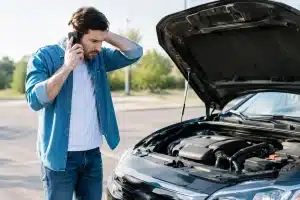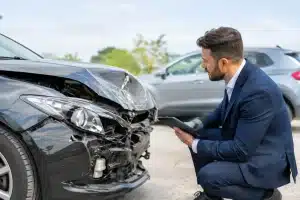
Floodwater can turn a usable vehicle into a costly problem overnight. If you need to sell flood damaged car quickly, the priority is not making it look presentable for a private buyer. It is getting a fair, clear quote, arranging collection safely, and making sure the vehicle leaves your name properly.
Flood damage is rarely limited to wet carpets and a bad smell. Water can affect electrical systems, safety equipment, engine components, brakes, interior trim, and control modules. Even when a car starts after drying out, faults can emerge weeks later. That uncertainty makes private selling difficult and can leave you dealing with unhappy buyers, no-shows, towing costs, and questions about disclosure.
For many owners, selling directly to a licensed vehicle buyer is the simpler route. You provide the details, accept a quote you are happy with, arrange free collection, and receive payment once the vehicle is collected. The process should be straightforward, compliant, and clear from the first call.
Can You Sell a Flood Damaged Car?
Yes. A flood damaged vehicle still has value, even if it will not start, has been declared a total loss, or is beyond economical repair. Its value depends on the make, model, age, weight, condition before the flood, level of water exposure, and whether it can be moved easily.
The key is to describe the condition honestly. Say whether the water reached the cabin, engine bay, or dashboard; whether the vehicle starts; whether it has been inspected; and whether an insurer has classified it. Clear information helps a buyer assess the vehicle properly and give a more reliable price.
Trying to hide water damage is not worth the risk. Flooding can cause corrosion and electrical issues that are not immediately visible. A professional buyer expects damage and values the vehicle accordingly. Being upfront protects you and avoids the quote changing when the collector arrives.
When Selling Is Better Than Repairing
A repair may be worthwhile if water exposure was limited, the vehicle is newer, and a qualified technician confirms that the electrical and mechanical systems can be made safe at a sensible cost. However, flood repairs can become expensive quickly. The first estimate may cover drying and cleaning, but later inspections can reveal damaged wiring, sensors, modules, or corrosion in areas that are difficult to access.
If the car is older, has high mileage, has significant water contamination, or needs extensive electrical work, selling it is often the more practical choice. This is especially true when the repair cost approaches or exceeds the vehicle’s pre-flood value.
There is also the question of confidence. A car that seems fine today may develop intermittent faults later. If you rely on the vehicle for work, school runs, or regular travel, uncertainty can be more expensive than the repair invoice. Selling lets you draw a line under the problem and move on.
How to Sell Flood Damaged Car in Four Simple Steps
The easiest way to sell a flood damaged car is to deal with a buyer that handles collection and the disposal process from start to finish.
1. Gather the basic vehicle details
Have the registration number, make, model, mileage, and your postcode ready. Mention the type of flood damage and whether the car is drivable. If you have the V5C registration certificate, keep it available, although do not delay getting a quote if you cannot find it immediately.
Photos can help where the damage is visible, but an accurate description matters more. Tell the buyer about warning lights, damp interiors, muddy water marks, a non-starting engine, or an insurance write-off status. These details support a realistic valuation.
2. Request a clear quote
A proper quote should explain what is included. Ask whether collection is free, whether the quoted amount is subject to inspection, and how payment will be made. If a vehicle is in a difficult location, such as a garage, underground parking area, or a narrow street, mention that early so the right recovery vehicle can be arranged.
The highest figure is not always the best deal if it comes with collection charges, unclear conditions, or delayed payment. A dependable offer with free pickup and a confirmed collection time is often worth more than an unrealistic promise that changes later.
3. Schedule collection at a convenient time
You should not have to arrange a tow or pay to move a non-running vehicle. A reputable service can collect from your home, workplace, repair shop, or another agreed location, provided access is suitable.
Before collection, remove personal belongings from the glovebox, trunk, door pockets, and under-seat storage. Check for documents, parking permits, toll tags, house keys, and any medication. If the car has been sitting after a flood, avoid trying to start it simply to move it. Water-damaged electrical systems can be unpredictable.
4. Complete the paperwork and receive payment
At collection, confirm the vehicle details and complete the necessary ownership notification. In the UK, the registered keeper should notify the DVLA that the vehicle has been transferred to the buyer or disposed of through an authorized route. Keep confirmation of the transaction for your records.
Payment should be agreed in advance and made securely, typically by bank transfer. Do not hand over the vehicle without knowing who is collecting it, what paperwork is being completed, and when payment will be sent.
What Affects the Price of a Flood Damaged Vehicle?
No two flood-damaged cars are the same. A vehicle exposed to shallow water in the footwells may be worth considerably more than one fully submerged in contaminated water. Make, model, age, mileage, curb weight, catalytic converter status, wheel condition, and the ease of collection can all affect the final offer.
Insurance classification may also matter. If the vehicle has been recorded as a write-off, share that information when requesting a quote. It does not mean the car has no value, but it helps set the right expectation from the start.
Location can influence logistics too. In London, Essex, and surrounding areas, access restrictions, parking rules, and busy collection windows may need planning. A professional buyer will ask the right questions rather than turning up unprepared.
Avoid These Common Problems
Do not leave a flooded vehicle uninsured or abandoned on a public road while deciding what to do. It may still be your legal responsibility, and local restrictions can create additional problems. If it is unsafe to drive, keep it parked securely until collection is arranged.
Be cautious with private buyers who pressure you to accept payment later or ask you to understate the damage. A flood damaged car needs an honest description and a traceable transaction. The goal is a clean handover, not a quick deal that creates trouble afterward.
Also, do not assume that a washed interior means the car is safe again. Floodwater can carry contaminants and reach components that are not visible from the cabin. If you are unsure about its condition, treat it as a damaged vehicle and arrange professional collection.
A Straightforward Way to Move On
A flood damaged car can take up space, create stress, and become harder to deal with the longer it sits. Scrap Car Kings offers instant quotations, free collection, secure payment, and compliant vehicle handling so owners can dispose of unwanted damaged vehicles without arranging transport themselves.
The best next step is simple: provide accurate vehicle details, ask clear questions about the quote and paperwork, and choose a collection time that works for you. Once the vehicle is collected and the transfer is properly recorded, you can stop worrying about a problem that floodwater already made difficult enough.