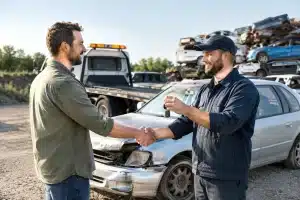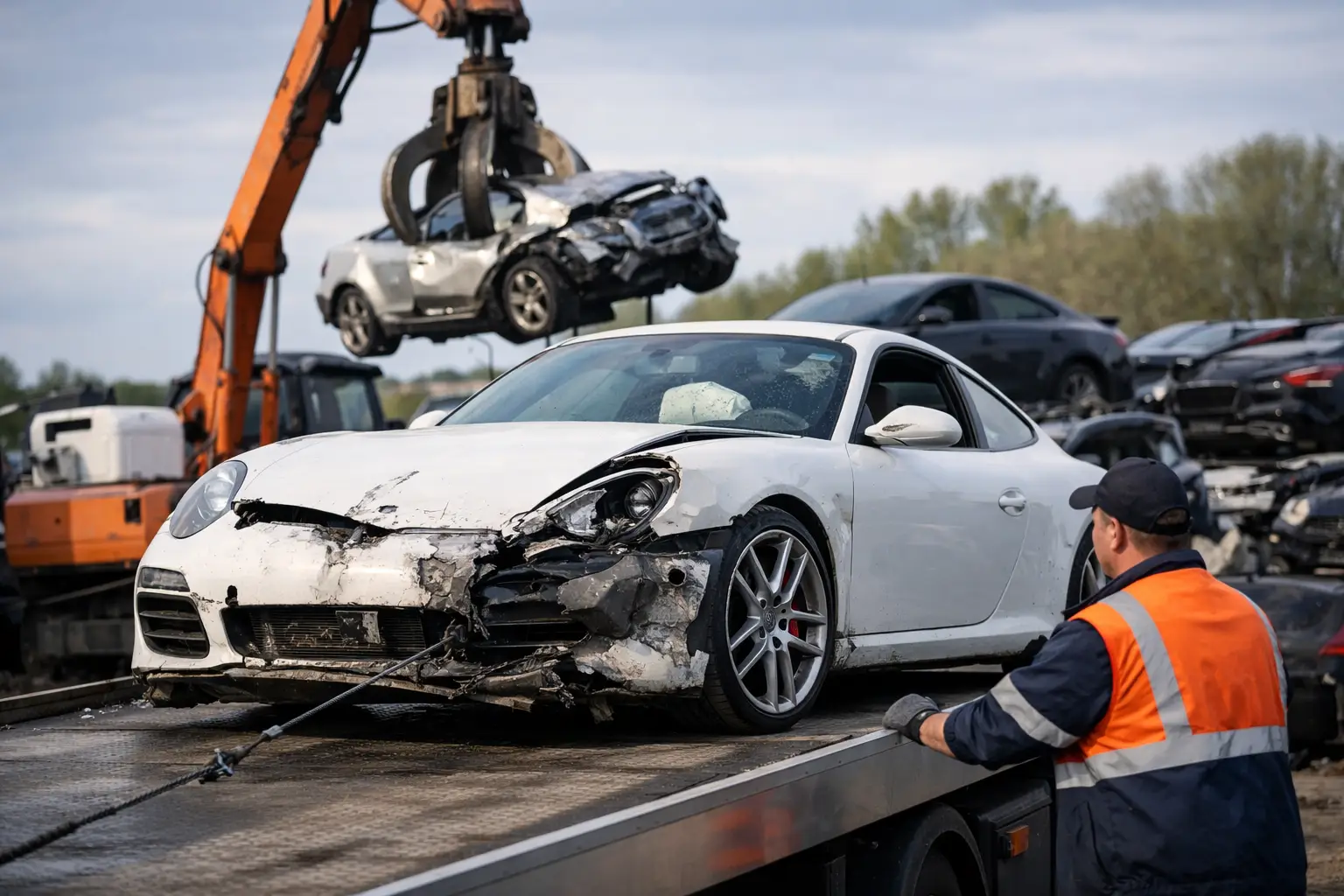
A Porsche that no longer starts, has major accident damage, or has failed beyond sensible repair still has value – but selling it is rarely as straightforward as selling an ordinary car. That is where scrap porsche buyers – 07944 495 495 becomes relevant. If you want a quick, legal, and hassle-free way to move on from a damaged or end-of-life Porsche in London or Essex, the right buyer should handle the quote, collection, payment, and disposal process without wasting your time.
Porsche owners usually face a different set of problems from the average seller. The vehicle may look too good to scrap, even when the repair bill says otherwise. It may be sitting on your driveway after an insurance write-off, or in a garage with engine failure, gearbox issues, electrical faults, flood damage, or missing paperwork you are trying to sort out. In many cases, the real issue is not whether the car has value. It is how to sell it safely and efficiently when it is no longer practical to keep.
Why scrap Porsche buyers matter
A Porsche reaches the scrap stage for different reasons. Sometimes the damage is obvious, such as a serious collision or fire. Sometimes it is economic, not cosmetic. An older Cayenne with transmission failure or a non-running Boxster with repeated mechanical faults can become too expensive to repair compared with its remaining value. Even a vehicle that still looks presentable can be classed as end-of-life if the costs no longer stack up.
That is why specialist scrap Porsche buyers are useful. A standard private buyer often wants a drivable car, a clean history, and no complications. A professional vehicle-buying service is set up for the opposite. It can assess non-runners, damaged models, and unwanted vehicles quickly, then arrange collection and compliant disposal through licensed channels. For the owner, that removes the usual friction – no tire-kickers, no towing headaches, and no uncertainty about the legal side.
What to expect from scrap porsche buyers – 07944 495 495
The process should be simple from the first call. You provide the Porsche registration, basic condition details, your location, and any key faults or damage. From there, the buyer gives you a quote based on current vehicle value, metal value, demand, model type, and whether the car is complete. A 911, Cayenne, Panamera, Macan, Boxster, or Cayman can all be assessed, but the price will depend on condition, age, and how much of the vehicle remains intact.
Free collection matters more than many owners expect. Once a Porsche is non-running, transporting it yourself becomes a cost and a hassle. A proper service should collect from your home, workplace, garage, or recovery site at a scheduled time that works for you. That is especially important in London and Essex, where storage pressure, parking limits, and access restrictions can turn a dead vehicle into an urgent problem.
Payment should also be clear. Most customers want fast bank transfer payment, not vague promises or delays after collection. A professional service will confirm the amount, arrange pickup, and process payment promptly once the vehicle is collected under the agreed terms. That clarity is a large part of what makes the process feel under control.
How Porsche scrap values are actually judged
Owners often ask the same question first: how much is my Porsche worth if it is going for scrap? The honest answer is that it depends. Make and badge matter, but condition still drives the figure.
A complete vehicle with its main components present will usually be worth more than one that has been stripped, heavily damaged, or left standing for years. Weight plays a role, but it is not the only factor. The model, age, accident history, whether it rolls freely, and whether collection requires extra handling can all affect the quote. A late-model Porsche with rear-end damage may be valued differently from an older non-runner with severe corrosion or flood exposure.
Paperwork can make the process smoother, though it is not always a deal-breaker if something is missing. If you have the V5C logbook, ID, and collection details ready, the transaction is normally quicker. If you do not, a reputable buyer should explain what is needed and how the disposal record will be handled.
The legal side should never be an afterthought
When disposing of a Porsche at end of life, legal compliance is not a small detail. It is one of the main reasons to use an established buyer. You need confidence that the vehicle is being handled correctly, that the transfer is recorded properly, and that the relevant DVLA steps are completed.
That matters because ownership records, fines, tax issues, and future liability can become messy if the process is informal. A dependable service does not leave you guessing. It explains what happens when the vehicle is collected, what paperwork is issued, and what you need to keep for your records. For most owners, that peace of mind is just as important as the price.
Environmentally responsible recycling also matters. End-of-life vehicles need to be depolluted and processed correctly through licensed operators and Authorised Treatment Facilities. That is not just a regulatory point. It is part of disposing of a car properly, especially a premium vehicle that contains fluids, metals, electronics, and materials that need professional handling.
When scrapping makes more sense than repairing or private selling
Many Porsche owners hesitate because scrapping feels like a last resort. Sometimes that hesitation is justified. If the vehicle has light damage and strong resale demand, repair or sale may still be the better route. But there are plenty of cases where scrapping is the more sensible financial decision.
If repair costs are well above the car’s realistic market value, there is little benefit in holding on. The same applies when a vehicle has repeated major faults, long-term storage damage, severe corrosion, or insurance write-off status that puts off ordinary buyers. A private sale can also drag on for weeks, especially when the car does not run and every viewing turns into a negotiation over recovery costs.
In those situations, speed has value. Clearing space, ending insurance or storage costs, and receiving payment quickly can be the right outcome even if the car once had higher ambitions. Practical decisions usually beat emotional ones when the numbers are no longer in your favor.
A simple process is usually the best process
The best vehicle-buying services do not overcomplicate things. You ask for a quote, confirm the details, book collection, hand over the vehicle, and get paid. That is what most people want when dealing with a scrap Porsche – not a drawn-out exchange of messages, uncertain appointments, or last-minute price changes.
This is where a service-led business stands apart. Scrap Car Kings, for example, is built around direct purchasing, free collection, fast response, and compliant disposal for unwanted vehicles across London and Essex. For customers dealing with an MOT failure, accident damage, or a Porsche that simply is not worth fixing, that kind of straightforward handling removes a lot of stress.
Choosing the right scrap Porsche buyer
The right buyer should be easy to reach, clear on valuation, professional about collection, and confident on compliance. You should not have to chase for answers or wonder what happens after the car leaves your property. If the process sounds vague, the price keeps changing, or the paperwork is brushed aside, that is usually a sign to stop.
A better experience comes from dealing with a company that understands urgency and treats disposal as a managed service, not just a transaction. That means responsive communication, realistic quotes, scheduled collection, secure payment, and proper handling from start to finish.
If your Porsche is no longer worth repairing, there is no prize for letting it sit and lose more value. A quick call can often turn an expensive problem into a finished job, with the vehicle collected, the payment arranged, and the legal side handled properly so you can move on.