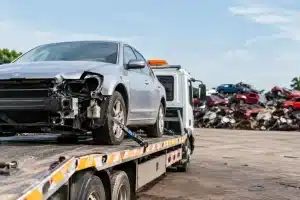
A broken Ford Transit can become expensive quickly. It may be off the road after an engine failure, accident, electrical fault, failed MOT, or gearbox problem, yet it is still taking up space and costing you time. If you are wondering how to sell a broken Ford Transit, call 07944 495 495 for a clear quote, arranged collection, and payment without having to find a buyer who can collect it themselves.
The key is to describe the van honestly, have the right vehicle details ready, and use a licensed buyer that can collect it and support you with the disposal paperwork. Whether your Transit is a non-runner, accident-damaged work van, flood-damaged vehicle, or simply too costly to repair, selling it does not need to turn into another job on your list.
When selling a broken Transit makes more sense than repairing it
Ford Transits are built to work, which is why owners often try to keep them going for as long as possible. Sometimes that is the right decision. A straightforward repair on a newer van with a good service history may be worth the cost, particularly if it is essential to your business.
But the calculation changes when major faults start to stack up. A failed engine, clutch, gearbox, turbocharger, diesel particulate filter, structural corrosion, or serious accident damage can push repair costs well beyond what the van is worth. A van that has sat unused for months can also develop flat batteries, seized brakes, tire damage, and further mechanical issues.
Private selling can be difficult in this condition. Many buyers expect a test drive, current inspection certificate, or proof that the vehicle can be driven away. If your Transit will not start or cannot legally be driven, you may also need to arrange transportation. A collection service removes that practical problem.
How to sell a broken Ford Transit – 07944 495 495
Start by gathering the basic information about the van. The registration number is the quickest route to identifying its model and specification. It also helps to have the VIN, approximate mileage, location, and a simple explanation of the fault. You do not need to diagnose the problem like a mechanic. Saying that the van cranks but will not start, has failed its MOT because of corrosion, has accident damage to the front end, or has been declared an insurance write-off is enough to begin.
Be upfront about the condition. Honest details lead to a more accurate quote and prevent problems at collection. Mention missing keys, flat tires, body damage, fire or water damage, outstanding finance if applicable, and whether the vehicle rolls and steers. A vehicle that cannot move can still be collected, but the collection team needs to know in advance so the right equipment can be arranged.
Once you receive a quote you are happy with, agree on a collection time that works for you. A professional service should make clear whether collection is free, what documents are needed, and when payment will be made. In London, Essex, and surrounding areas, this can often be arranged quickly, including for vans stranded at a home, workplace, garage, or roadside location where access is safe.
At collection, check that the vehicle details are correct before handing over the keys and documents. Payment should be made by secure bank transfer, with confirmation available before the vehicle leaves. Keep a record of the transaction and any collection or disposal documentation provided.
The details that affect your Ford Transit quote
A broken Transit still has value, but no two vans are valued in exactly the same way. The model year, wheelbase, engine type, mileage, overall weight, and condition all matter. A complete van with a major mechanical issue may be worth more than one with extensive fire damage or missing components. Current metal markets and collection distance can also affect the price.
Do not assume an old van has no value because it has failed an inspection or does not start. Equally, be cautious of a quote that sounds high but is vague about collection charges, payment timing, or deductions. A fair offer is one that reflects the condition you have described and is backed by clear terms.
Photos can help when the damage is visible. Send clear images of each side of the van, the interior, dashboard warning lights, damage areas, tires, and the registration plate. This is particularly useful for collision damage, rust, vandalism, and water exposure. If you are unsure what information matters, start with the registration, location, and a plain-language description of what happened.
Documents and DVLA steps to get right
Paperwork is not the exciting part of selling a broken van, but it is what protects you after collection. Have your V5C registration certificate if you have it, along with photo identification when requested. If the V5C has been lost, tell the buyer before booking. Do not sign a blank document or leave the new keeper details incomplete.
You remain responsible for the vehicle until its transfer or disposal is properly recorded. Notify DVLA that you have sold or transferred the Transit as required, and keep the confirmation. This is especially important if the van is uninsured, untaxed, or parked off the road, because it helps prevent future tax, penalty, or enforcement issues being directed to you.
For an end-of-life vehicle, make sure the buyer uses licensed operators and that the appropriate disposal evidence is supplied. This shows that the vehicle has entered a compliant recycling process rather than being passed on without a clear record. Scrap Car Kings focuses on handling collection and compliance clearly, so customers are not left trying to work out the next administrative step alone.
Avoid the common delays that lower the value
The most common hold-up is giving incomplete condition details. If the collector arrives expecting a van that rolls freely and finds one blocked in, locked with no keys, or missing wheels, collection may need to be rearranged. It is far easier to explain these issues at the quote stage.
Remove personal belongings before collection. Transit vans often accumulate paperwork, tools, delivery devices, personal documents, and account information in the cab, glove box, under-seat storage, and rear load area. Check thoroughly, then remove any business branding or equipment you intend to keep if that can be done safely.
Also make sure the van is accessible. Tell the collection team about height restrictions, gated entrances, narrow roads, parking controls, or a dead battery that prevents the steering lock from being released. These details are not a reason to refuse collection. They simply allow it to be planned properly.
Should you sell it whole or try a private sale?
A private sale may bring more money in a limited number of cases, such as a newer Transit with one clearly identified fault and strong demand from repair-minded buyers. The trade-off is time. You will need to advertise it, answer messages, deal with no-shows, negotiate over every defect, and manage transportation concerns.
Selling directly to a vehicle buyer is usually the better route when speed, certainty, and collection matter more than chasing the highest possible figure. It suits owners whose van is unsafe to drive, has suffered heavy damage, has failed its MOT badly, or has become a costly distraction from work and family commitments.
Before you accept an offer, ask what is included. Confirm free collection, the payment method, whether the quote is based on your stated condition, and how the paperwork will be handled. Straight answers are a good sign that the process will stay simple on the day.
A broken Ford Transit may no longer earn its keep, but it does not have to remain on your drive or outside your business premises. Have the registration and condition details ready, arrange a compliant collection, and turn an unwanted van into a completed job rather than a continuing problem.