A vehicle can look like a problem right up until the collection truck arrives: it will not start, it has failed its MOT, repair costs make no sense, or it is taking up space. But what happens after a car is scrapped is a controlled process, not simply the end of the road. A legitimate disposal route protects you from future liability, records the vehicle correctly, and recovers valuable materials responsibly.
For owners in London, Essex, and nearby areas, the key is using a licensed collection and recycling service that can collect the vehicle, pay by secure bank transfer, and provide the right paperwork. Here is what normally happens once you agree to sell an end-of-life vehicle.
First, the vehicle is collected and checked
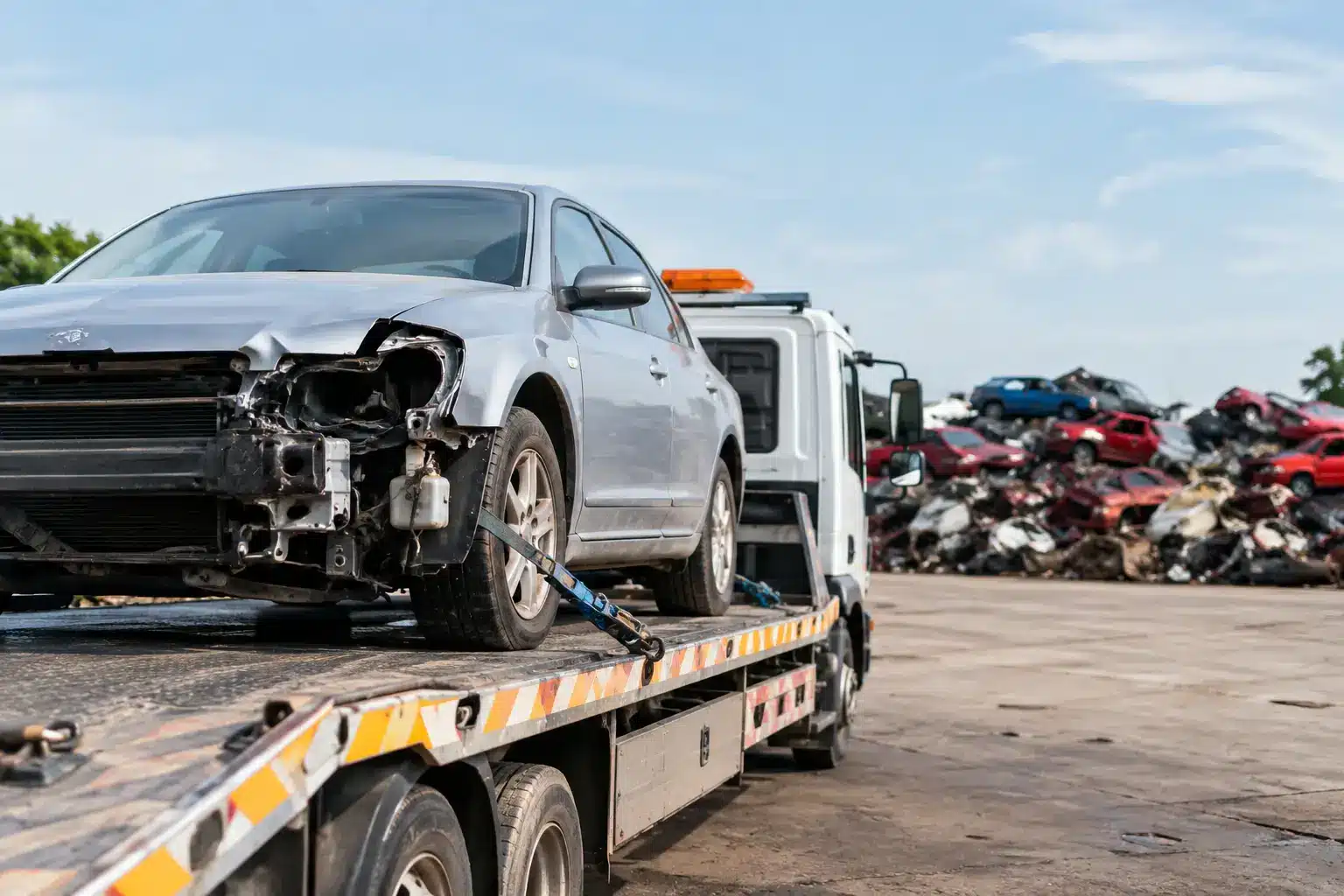
After accepting a quote, you arrange a convenient collection time. A driver collects the vehicle from your home, workplace, garage, or another accessible location. It does not need to be roadworthy to be collected. Non-runners, accident-damaged cars, flood-damaged vehicles, and MOT failures can all be moved using appropriate equipment.
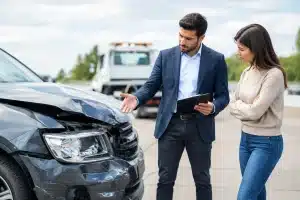
At collection, the driver will usually confirm the vehicle registration, make, model, condition, and that it matches the details used for the quote. Be straightforward about damage, missing items, and whether the car starts. This avoids a last-minute change to the agreed value and keeps the handover quick.
You should remove your personal belongings before collection. Check the glove box, door pockets, trunk, under-seat storage, sun visors, and any phone holders or dashboard compartments. Also remove parking permits, toll tags, house keys, documents, CDs, and any personal data stored in the infotainment system. If the system allows it, reset it to factory settings.
Ownership records are updated
The administrative side matters just as much as the physical collection. In the UK, you remain responsible for a vehicle until the DVLA record shows that you have notified them it has been sold, transferred, or scrapped.
If the vehicle is being treated as end-of-life, the receiving Authorized Treatment Facility should issue a Certificate of Destruction, often called a CoD, once it has accepted the vehicle for disposal. This confirms the vehicle has entered an approved end-of-life process and will be removed from the road permanently.
Not every vehicle collected for recycling is immediately issued with a Certificate of Destruction. It depends on the vehicle’s status, its age and condition, and how the licensed operator processes it. Ask what paperwork you will receive and what notification you need to make to the DVLA. A professional vehicle buyer should explain this clearly rather than leave you guessing.
Keep copies of your collection confirmation, payment record, and any destruction documentation. These records can help if a tax, insurance, parking, or enforcement question arises later.
Tell the DVLA promptly
Do not assume that handing over the keys automatically updates the DVLA. Complete the relevant notification as soon as possible using the details provided at collection. This helps stop future responsibility for vehicle tax, fines, or correspondence connected to the car.
You should also contact your insurer once the vehicle has been collected. Depending on your policy, you may be able to cancel the cover, transfer it to another vehicle, or request any eligible refund. If you pay vehicle tax by direct debit, check that it has been handled correctly after the DVLA update.
The vehicle is made safe before recycling
Once the vehicle reaches an Authorized Treatment Facility, it is inspected and prepared for safe processing. This stage is often called depollution. It is one of the most important reasons to choose a compliant operator.
Vehicles contain fluids and materials that cannot simply be left to leak or mix with general waste. Trained staff remove or manage engine oil, fuel, coolant, brake fluid, transmission fluid, air-conditioning gas, and the battery. Tires, airbags, and other potentially hazardous items are handled through appropriate routes as well.
This work reduces fire risks, prevents soil and water contamination, and makes the remaining vehicle safer to process. The exact procedure varies by vehicle type and condition. An electric or hybrid vehicle, for example, requires additional precautions because of its high-voltage battery system. These vehicles should only be handled by operators equipped and trained to manage them safely.
What happens after a car is scrapped at the recycling stage?
After depollution, the vehicle is processed so its main materials can be separated and recovered. Steel makes up much of a typical car and can be recycled into new products. Aluminum, copper, glass, plastics, and rubber may also be recovered where viable.
The vehicle is compacted or processed mechanically, then materials are sorted using techniques such as magnets, air separation, and density separation. Metal recovery is especially valuable because recycling metals uses far less energy than producing new metal from raw sources.
Not every material can be recovered at the same rate. The make, age, design, damage level, and contamination of the vehicle all affect what can be recycled. That is why responsible vehicle disposal is about more than removing an unwanted car from your driveway. It supports a regulated system designed to reduce waste and recover resources where possible.
When and how you receive payment
Payment should be clear before the vehicle is collected. The amount offered usually reflects the vehicle’s weight, current metal market conditions, location, accessibility, vehicle type, and whether it contains major damage or missing items.
Many reputable services pay by bank transfer rather than cash. This creates a clear payment record and supports legal, traceable transactions. Confirm when the transfer will be made, whether it is instant or same day, and whether there are any circumstances that could alter the quoted amount.
Be cautious of vague quotes that are not confirmed in writing or buyers who offer a high figure without asking basic questions about the vehicle. A fair quote should be based on real information, not a promise designed to get someone to your address and renegotiate later.
Common questions vehicle owners have
Can I scrap a car without a title document?
You may still be able to dispose of a vehicle without the V5C registration certificate, but you will need to prove your identity and ownership to the buyer’s satisfaction. The process can take longer, so mention this when requesting a quote. Never sign over a vehicle to someone who does not check basic ownership details.
Can a car be collected if it has no MOT or no insurance?
Yes. A vehicle being collected on a truck does not need a current MOT or insurance policy for the purpose of driving it on public roads. Tell the collection service if access is difficult, the steering is locked, tires are flat, or the vehicle cannot roll. Accurate details allow them to send the right equipment.
Does scrapping erase outstanding finance?
No. Disposing of a vehicle does not automatically settle finance. If there is outstanding finance, obtain the lender’s permission and settlement instructions before arranging collection. Selling or disposing of a vehicle that is still subject to finance can create serious problems.
A reliable service makes the final stage simple: agree the value, arrange free collection, receive secure payment, and make sure the DVLA side is completed properly. Scrap Car Kings can help make that process quick and clear, so an unwanted vehicle leaves your property with the paperwork and compliance handled properly.