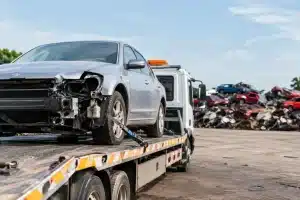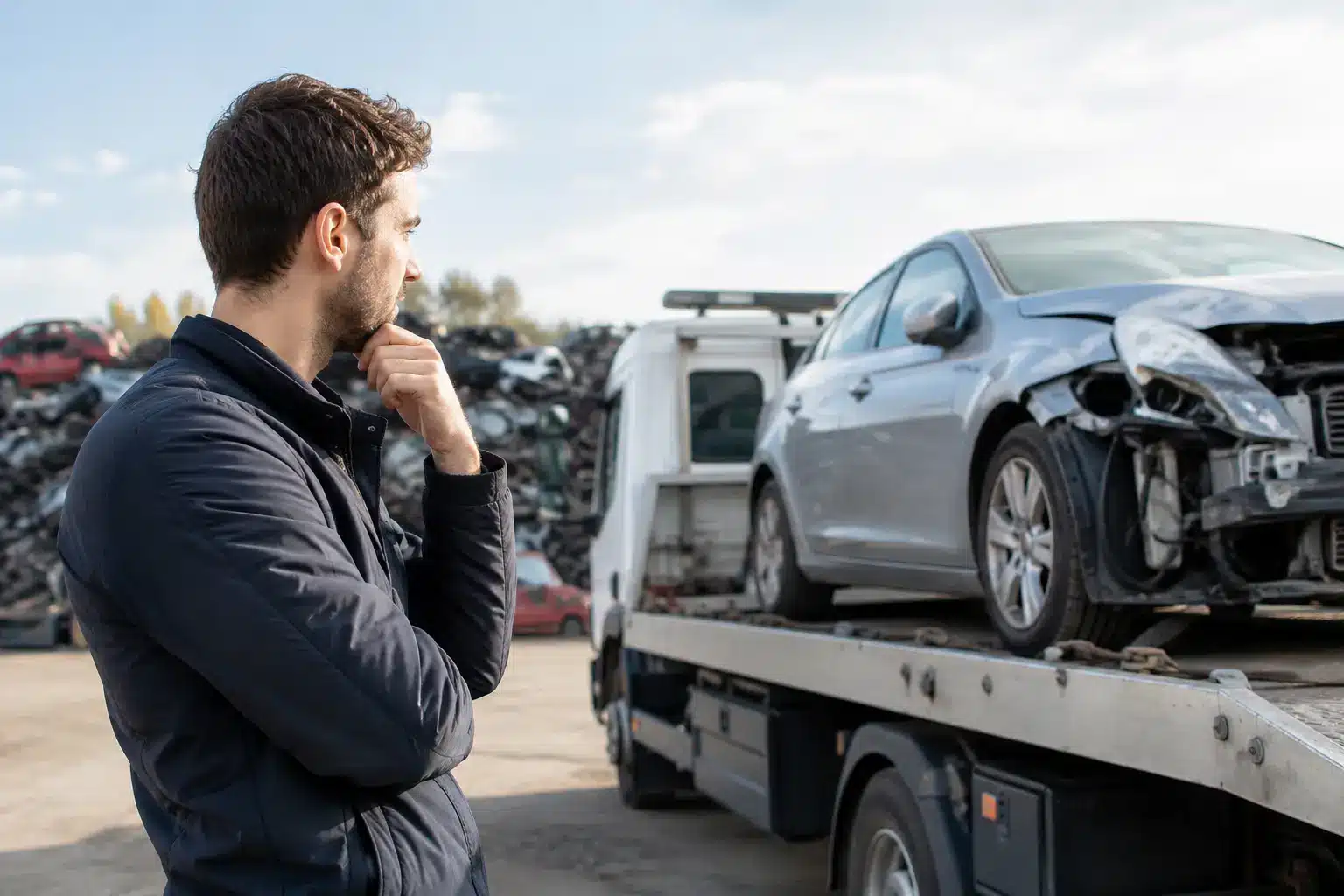
An MOT failure can turn a reliable runabout into an expensive problem in one appointment. If the repair estimate is more than the vehicle is worth, choosing to scrap an MOT failure car can be the sensible way to stop spending money on a vehicle you no longer need.
That does not mean every failed car should be disposed of immediately. Some failures are straightforward and affordable to fix. Others reveal corrosion, major mechanical faults, or a list of advisory items that makes another test feel like a gamble. The right decision comes down to the repair cost, the car’s real-world value, and how much time and hassle you are prepared to take on.
When Should You Scrap an MOT Failure Car?
An MOT failure alone does not make a vehicle end-of-life. A blown bulb, worn wiper blade, or tire issue may be resolved quickly. But when a car fails on several serious defects, the figures can change fast.
Start with the written failure report and ask for a clear repair estimate. Then compare that estimate with the vehicle’s value if it had a valid MOT. Be realistic: a car with high mileage, visible damage, recurring warning lights, or a history of faults is unlikely to command its best possible price, even after repairs.
Scrapping is often worth considering where structural corrosion is involved, the engine or transmission has failed, or the repair bill is close to or higher than the car’s value. It can also be the practical choice if the vehicle has sat unused for months and would need towing, testing, repairs, and insurance before it could be sold privately.
Look beyond the immediate MOT repair bill
The cheapest quoted repair is not always the full cost of keeping the car on the road. An MOT tester may identify one failure, while the report also contains advisories for worn tires, leaking suspension components, brake wear, or corrosion that could become a failure at the next test.
If you repair only the urgent item, you may still face another bill shortly afterward. For an older vehicle, that cycle can become frustrating and expensive. A fast sale for recycling can provide a clean break, especially when collection is included and payment is made by secure bank transfer.
What Is an MOT Failure Car Worth for Scrap?
The value of an MOT failure vehicle is not based on a single fixed rate. Weight matters, but so do the make, model, age, condition, location, and whether the car is complete. Larger vehicles often contain more recyclable material, while a car that can be collected easily may be simpler to process than one with severe damage or missing wheels.
Market prices for metal also move over time. That is why an instant quote should be based on the details of your actual vehicle rather than a vague promise of the “best price.” Give accurate information about the registration, condition, location, whether it starts, and any major damage. This helps prevent unpleasant changes when the collection driver arrives.
An MOT failure does not automatically mean the vehicle has no value. Even where repair is not worthwhile, it still has value as an end-of-life vehicle handled through a licensed recycling route. The key is getting a transparent offer that reflects its condition without expecting you to arrange transport yourself.
The Legal Way to Dispose of an MOT Failure Car
Disposing of a vehicle is not just a matter of handing over the keys. You remain responsible for it until the ownership and disposal process is recorded correctly. Using a licensed operator and an Authorized Treatment Facility protects you from the risks that come with informal collection or unclear paperwork.
Before collection, have your V5C logbook available if you have it. If it has been lost, you can still explain this when requesting a quote. You should also remove personal belongings from the glove box, trunk, door pockets, and under the seats. Check for parking permits, toll tags, documents with your address, and anything stored in the trunk well.
Once the vehicle has been collected, make sure the change is reported to the DVLA as required. A professional buyer should explain what happens next and provide the relevant disposal documentation, including a Certificate of Destruction where applicable. Keep all records until you have confirmation that your responsibility for the vehicle has ended.
Why paperwork matters
Failing to notify the DVLA can leave you exposed to problems after the car has gone. You could continue receiving tax reminders, penalty notices, or correspondence connected to a vehicle you no longer possess. Clear records are not optional admin – they are your proof that the transaction was handled properly.
You should also be cautious about anyone who will not provide business details, refuses to explain the disposal process, or pressures you to hand over the vehicle without documentation. Convenience matters, but legal compliance matters more.
How the Collection Process Should Work
A straightforward service removes the need to advertise a non-runner, negotiate with uncertain buyers, or pay for recovery. The process should be simple from the first quote to the final paperwork.
First, provide the vehicle details and describe its condition honestly. You should receive a clear quotation based on that information. If you accept, collection is arranged for a time that works for you, often with free collection across London, Essex, and surrounding areas.
At collection, the driver checks that the vehicle matches the description, completes the required handover steps, and takes the car away. Payment should be agreed in advance and sent securely by bank transfer. In the UK, payment for scrap vehicles must not be made in cash, so a traceable transfer is the correct and safer route.
With Scrap Car Kings, the aim is to make this stage quick and clear: competitive quote, arranged collection, secure payment, and compliant disposal without you having to organize towing or chase paperwork yourself.
Should You Repair, Sell, or Scrap?
There is no single answer for every MOT failure. If the car is relatively new, has low mileage, and needs one affordable repair, fixing it may make financial sense. If it is a desirable vehicle with a manageable fault, selling it honestly as an MOT failure vehicle may also be worth considering, although private selling can take time and buyers may try to renegotiate at the door.
Scrapping is usually the stronger option when the vehicle is unsafe to drive, unable to pass without significant work, not running, heavily damaged, or simply not worth the stress of repairing. It is also useful for owners who need the car gone promptly from a driveway, garage, or roadside location.
Do not base the decision solely on the amount you have already spent on the car. That money is gone whether you repair it or not. Focus on what it will cost from this point forward, what the vehicle will realistically be worth afterward, and whether keeping it still serves you.
Get Ready Before Collection Day
A little preparation helps the handover go smoothly. Keep the keys ready, make sure the vehicle is accessible for collection, and tell the buyer if it is blocked in, has flat tires, or cannot roll. Accurate details allow the correct recovery equipment to be arranged.
Remove your belongings and retain any documents you need for your records. If your tax is still active, check the DVLA process for a possible refund once the vehicle is recorded as sold or disposed of. You should not leave insurance running longer than necessary either, but cancel it only once you are certain the handover is complete.
A failed MOT is frustrating, but it does not have to turn into weeks of uncertainty. When repairs no longer add up, a licensed collection service gives you a clear route to dispose of the vehicle legally, recover its remaining value, and move on without another costly surprise.