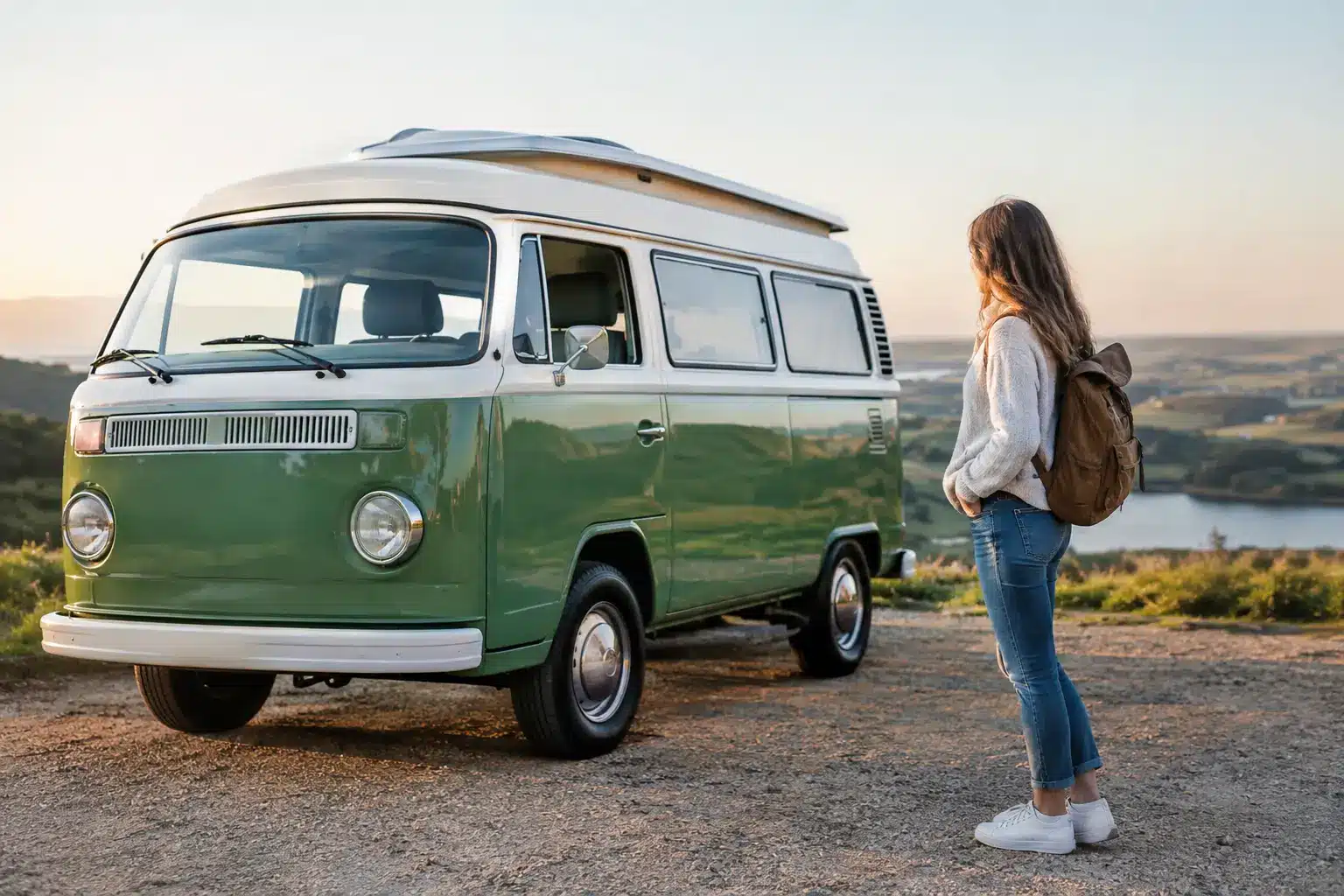
That old camper van can become a costly problem quickly. It may have failed its MOT, developed engine trouble, suffered damp damage, or simply sat unused on the drive for too long. If you are asking, “where can I sell my old camper van – 07944 495 495,” the right answer depends on its condition, paperwork, and how quickly you need it gone.
For many owners, selling privately sounds attractive until the calls, viewings, no-shows, price haggling, and collection arrangements begin. If the vehicle is non-running, damaged, or at the end of its useful life, a professional vehicle buyer can offer a simpler route: a clear quote, free collection, secure payment, and compliant disposal.
Where Can I Sell My Old Camper Van?
You have a few realistic options, but they do not all suit every camper van. A roadworthy, clean, and desirable model may be worth advertising privately or trading in through a dealer. That route can produce a higher sale price, but it also requires time, preparation, and patience. You will need to deal with prospective buyers, arrange viewings, and make sure payment is genuine before releasing the vehicle.
If your camper van has major faults, corrosion, an MOT failure, accident damage, flood damage, or a failed engine or gearbox, a private sale is often far less straightforward. Buyers may expect a significant discount, and many will not have the means to collect a non-runner from your home.
A specialist unwanted-vehicle service is usually the more practical choice in that situation. You provide the vehicle details, receive a valuation, agree a collection time, and get paid when the vehicle is collected. This is particularly useful when you need the camper van removed quickly from a driveway, garage, parking space, or storage location.
First, Decide Whether It Is Worth Selling Privately
Before accepting any offer, take an honest look at the camper van’s condition. Age alone does not mean it has no resale value. Some older camper vans remain desirable if the bodywork is solid, the interior is usable, the paperwork is in order, and the vehicle can be driven safely.
Private selling may be worth considering when the van has a current MOT, starts reliably, has no serious structural corrosion, and has a realistic market appeal. Be prepared to clean it thoroughly, photograph it properly, describe known faults accurately, and wait for the right buyer.
Professional collection is often the better option when repairs would cost more than the van is worth, it cannot be driven, or you simply do not want the uncertainty of a private sale. There is no benefit in spending weeks trying to sell a vehicle that is deteriorating, taking up space, or creating a problem with neighbors or parking restrictions.
Warning Signs That a Quick Sale Makes Sense
A camper van may be ready for disposal or an as-is sale if it has failed its MOT on serious issues, has extensive rust, has been declared an insurance write-off, has been damaged by water, or has stood unused long enough to develop mechanical problems. Missing keys, a flat battery, seized brakes, and tire damage can also make private buyers less likely to proceed.
Do not assume a non-running camper van is worthless. Its weight, materials, make, model, condition, and location can all affect the quote. The most useful approach is to give an accurate description from the start. It helps avoid a revised offer when the collection driver arrives.
What Information You Need for a Proper Quote
A trustworthy buyer should ask enough questions to price the camper van fairly. You should have the registration number available, along with the make, model, approximate age, and postcode. Explain whether it starts, rolls, and has all four wheels fitted. Mention significant accident damage, missing components, fire or flood damage, and whether access is difficult.
It also helps to say whether you have the V5C registration document. You can still discuss collection if paperwork is missing, but the buyer should explain what identification or additional information is required. Never guess about the vehicle’s condition just to get a higher initial quote. Accurate details protect both sides of the transaction.
For a quick, no-nonsense quote and collection arrangement, call 07944 495 495. A professional service should explain the price, confirm whether collection is free, and tell you when payment will be made before you commit.
Free Collection Matters More Than It Sounds
Collection is one of the biggest practical obstacles when selling an old camper van. These vehicles are often too large for ordinary towing arrangements, and a van with mechanical faults may not be safe or legal to move on the road. Hiring transport yourself can quickly reduce the money you receive.
Free collection removes that problem. You arrange a convenient time, make sure the vehicle is accessible, and the collection team handles the removal. In London, Essex, and surrounding areas, this can be especially valuable where driveways are tight, road access is limited, or an immobile van is causing a parking issue.
Before booking, ask whether the quoted price includes collection and whether there are any circumstances that could change it. A legitimate adjustment may be reasonable if the original description was materially incorrect, such as saying the van rolls when it does not. But there should be no surprise charges simply because the vehicle needs collecting.
Get Paid Securely and Keep a Record
Avoid buyers who want to take the camper van away before payment is confirmed. A clear process is safer: agree the price, verify the buyer, receive payment by bank transfer, and retain written confirmation of the transaction.
Cash may seem convenient, but bank transfer creates a clearer record. Check that the payment has reached your account rather than relying on a screenshot or an email notification. Once payment is confirmed and the vehicle is collected, keep any receipt, collection confirmation, and correspondence in a safe place.
The buyer should also be able to explain how ownership and disposal records will be handled. This matters because you do not want to remain connected to a vehicle after it has left your property.
Make Sure the Disposal Is Legal
An end-of-life camper van must be handled responsibly. Licensed disposal protects you from the risks of improper abandonment or untraceable resale, while helping ensure hazardous fluids and materials are dealt with correctly. Ask whether the vehicle will be processed through an Authorized Treatment Facility and whether a Certificate of Destruction will apply to your specific vehicle.
You should also notify the DVLA that you have sold or transferred the camper van. The correct method depends on the type of transaction and the paperwork you hold, so follow the current DVLA process carefully. Do not assume the collector will complete every step automatically unless they clearly confirm what they will do and what remains your responsibility.
Remove personal belongings before collection. Camper vans often have more storage than owners realize, so check cupboards, seat bases, glove boxes, roof lockers, under-bed compartments, and any external storage areas. Take out documents, bank cards, keys, tools, toll tags, camping equipment, and anything containing personal information.
How to Avoid a Bad Camper Van Sale
The best way to avoid trouble is to choose a buyer that communicates clearly. Be cautious if someone will not give a proper business name, pressures you to decide immediately, refuses to discuss paperwork, or promises one price and then tries to renegotiate without a genuine reason.
You should also avoid handing over the vehicle based on a verbal promise of later payment. A reputable buyer will set out the collection arrangements, explain payment timing, and provide a straightforward point of contact if you have questions.
Scrap Car Kings focuses on the parts of the process that matter when an old camper van has become a burden: a competitive quote, free collection, fast bank transfer, and compliant vehicle handling. Whether the van is a non-runner, MOT failure, damaged vehicle, or simply no longer wanted, clarity is more valuable than a drawn-out sale that may never happen.
A camper van does not need to be perfect to have value, but it does need an honest assessment and a safe route off your property. Get the details ready, ask the right questions, and choose a collection service that makes payment, paperwork, and legal disposal clear from the beginning.