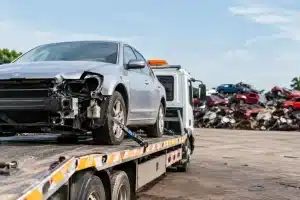
A hybrid that has failed its MOT, stopped starting, suffered accident damage, or become too expensive to repair can be difficult to sell privately. If you are asking, “who buys hybrid cars – 07944 495 495,” the short answer is that specialist vehicle buyers can purchase many unwanted hybrids, including non-runners and end-of-life models, then arrange collection and compliant disposal.
The value of a hybrid is not limited to whether it still drives. Its age, weight, condition, catalytic converter, battery status, location, and current market demand all affect the offer. That is why an accurate quote needs honest vehicle details rather than a guess based on a standard used-car price.
Who buys hybrid cars in poor condition?
Private buyers usually want a hybrid that is roadworthy, has a valid MOT, and can be driven away. Once a warning light is on, the traction battery has failed, or the car has collision damage, private selling often becomes slow and uncertain. Buyers may cancel after viewing it, negotiate heavily, or expect you to arrange transport.
Professional unwanted-vehicle buyers work differently. They may buy hybrids that are damaged, non-running, flood-affected, written off by an insurer, or simply no longer worth repairing. The vehicle is assessed on its actual condition, a collection time is agreed, and payment is arranged before or at handover according to the service terms.
This route is especially useful when the repair estimate is higher than the car’s realistic resale value. A failed hybrid battery does not automatically mean there is no value in the vehicle. It does mean the quote should reflect the cost, safety requirements, and logistics involved in handling it.
What affects the price of an unwanted hybrid?
Hybrid valuations can vary more than owners expect. Two cars of the same model and year can receive very different offers if one starts and moves while the other has missing keys, severe body damage, or an inaccessible location.
The main starting point is the vehicle’s make, model, year, registration, and engine type. A buyer will then ask whether it runs, whether it is complete, what damage it has, and whether the hybrid system is showing faults. Clear photos can help where there is major accident or cosmetic damage, but they are not always essential for an initial quote.
The collection situation also matters. A car parked on a driveway with access for a recovery vehicle is straightforward. One in an underground garage, with locked wheels, or parked in a restricted area may need additional planning. Being upfront about access protects you from a changed arrangement on collection day.
Paperwork is another factor. Having the V5C registration document and photo identification ready can make the process quicker. If the V5C is unavailable, do not assume you cannot sell the vehicle. Explain this when requesting a quote so the buyer can confirm what documents and checks are required.
Why a hybrid may be better sold for collection
A hybrid with a fault can create more hassle than a conventional older car. Warning lights can make buyers nervous, and a car that starts intermittently can be hard to demonstrate or move. If it cannot be driven legally or safely, arranging towing yourself adds another cost and another decision.
Collection removes that pressure. A professional service can collect the vehicle from home, work, a garage, or another agreed location. For owners in London, Essex, and nearby areas, this can be the practical choice when space, parking restrictions, or time make a private sale unrealistic.
Free collection should mean exactly that. Confirm that collection is included in the agreed price, especially if the vehicle does not run. You should also confirm whether the quoted amount is subject to inspection and what circumstances could affect it. Honest details at the outset are the simplest way to avoid surprises.
How to sell an unwanted hybrid safely
The process should be clear, not drawn out. Start by providing the registration, make and model, location, and a straightforward description of the condition. Mention dashboard warnings, accident damage, missing keys, battery issues, MOT status, and whether the car can move under its own power.
Once you receive a quote you are happy with, arrange a collection slot. Remove your personal belongings before the vehicle is collected. Check the glove box, door pockets, trunk, under-seat storage, and any phone or navigation system that may contain saved addresses, call logs, or account details. If possible, disconnect your personal accounts from the vehicle’s infotainment system.
At handover, make sure you understand the payment method and receive confirmation that the vehicle has been collected. Bank transfer is generally safer and easier to verify than carrying cash. Do not release the vehicle until the agreed process is clear and the collection team has completed the required documentation.
For vehicles being disposed of rather than sold for continued use, legal handling matters. A reputable operator will explain the paperwork and support you with the relevant DVLA notification steps. Keeping your own record of the date, buyer details, and confirmation is sensible. It gives you a clear trail showing when responsibility for the vehicle changed hands.
Questions to ask before accepting a hybrid car quote
Price matters, but it should not be the only consideration. A high figure that changes when the recovery vehicle arrives is not a good deal. Before you accept, ask whether collection is free, whether the quote accounts for the vehicle’s faults, when payment will be made, and what paperwork you will receive.
It is also reasonable to ask how the vehicle will be handled after collection. End-of-life hybrids need responsible treatment through licensed operators and authorized treatment facilities. This is about more than doing the right thing environmentally. It helps ensure the vehicle is processed correctly and that you are not left worrying about future penalties or unwanted correspondence.
Be wary of anyone who pressures you to hand over the vehicle without proper identification, cannot explain the payment process, or is vague about documents. A legitimate buyer should be able to answer direct questions directly.
When repair may still make sense
Not every faulty hybrid should be disposed of. If the issue is minor, the car is relatively new, and a trusted technician can provide a realistic repair estimate, fixing it may produce a better result. This is particularly true where the vehicle has a strong service history, low mileage, and no serious structural damage.
But repair is not always the economical choice. A long list of faults, repeated electrical issues, major accident damage, or a costly hybrid-system problem can quickly exceed the vehicle’s value. Add the cost of an expired MOT, insurance, parking, and transport, and holding onto it can become more expensive than arranging a prompt sale.
The practical question is not just “Can it be repaired?” It is “Is the likely repair cost and time worth more than a quick, compliant sale today?” For many owners, especially when the car has already been sitting unused, the answer is no.
Scrap Car Kings helps owners turn that decision into a straightforward process: provide accurate details, agree a fair quote, arrange free collection, and receive secure payment. Whether your hybrid is a non-runner, accident-damaged, MOT-failed, or simply unwanted, clear information and proper paperwork will make the next step easier.