A broken EV can become an expensive problem fast. It may not charge, it may have failed its inspection, or a fault warning may have made it unsafe to drive. If you are asking, “who will buy my broken electric car – 07944 495 495,” the practical answer is a licensed vehicle buyer that can collect it, value it honestly, pay securely, and handle disposal correctly.
At Scrap Car Kings, the aim is simple: remove the hassle of selling a non-running electric vehicle privately. You receive a clear quote, arrange a collection time that works for you, and get payment without having to find a buyer willing to take on recovery, battery, or paperwork concerns.
Who Buys Broken Electric Cars?
Specialist vehicle buyers purchase broken electric cars in many conditions. A vehicle does not need to start, charge, have a current inspection certificate, or be economically repairable to have value. The final offer depends on the vehicle’s make, model, age, condition, location, and current recycling values.
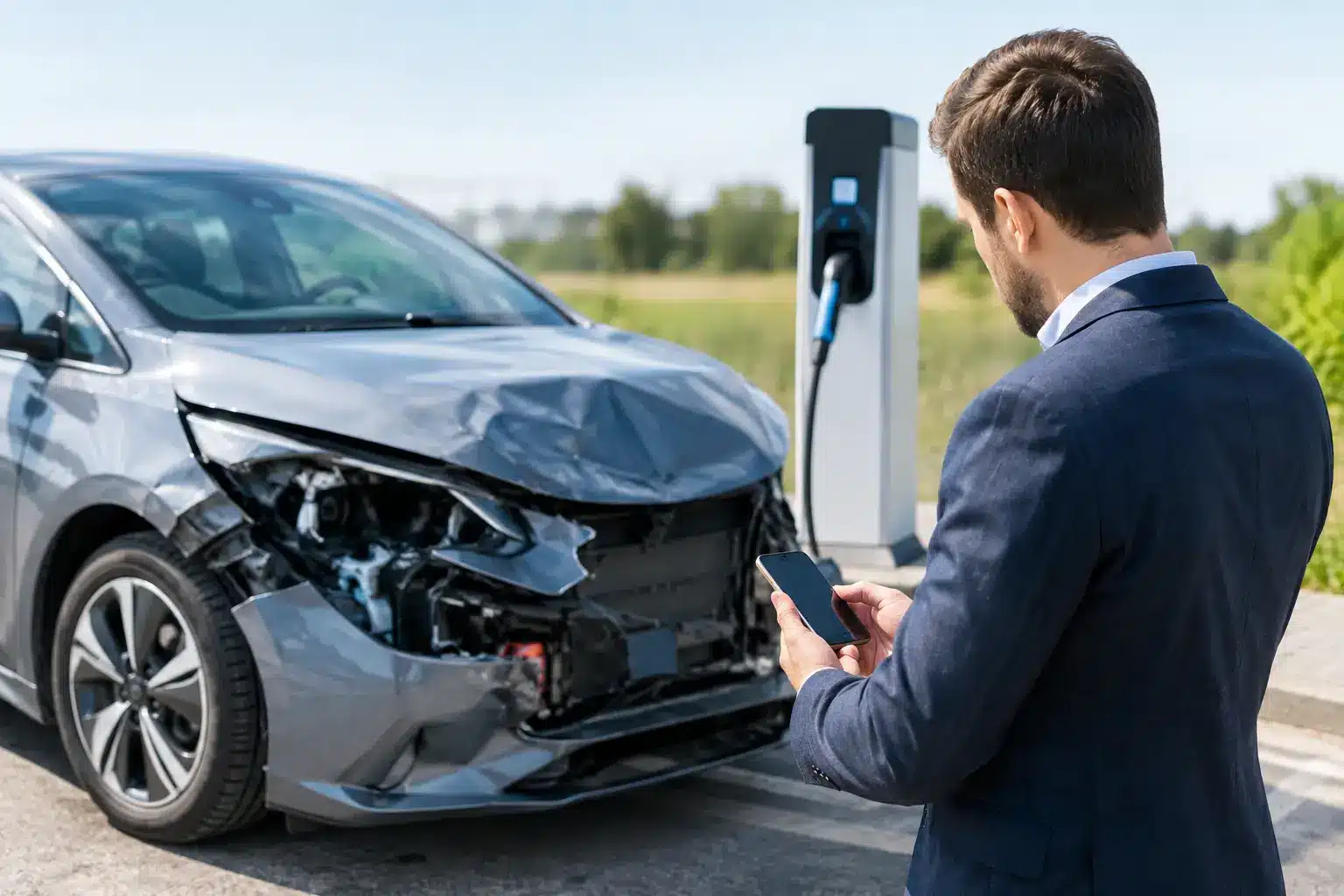
Common reasons owners sell include battery faults, charging system failures, accident damage, flood damage, electrical faults, a failed inspection, and insurance write-offs. Some cars have simply reached the point where the repair estimate is higher than the vehicle is worth. Rather than paying for storage, towing, diagnostics, and uncertain repairs, many owners choose collection and compliant disposal.
Electric vehicles need more consideration than conventional cars. Their high-voltage systems and battery packs must be managed by professionals using the proper processes. That is why choosing a licensed operator matters more than accepting an unclear offer from an unknown buyer.
When Selling a Broken EV Makes More Sense Than Repairing It
A repair may be worthwhile if the fault is minor, the vehicle is relatively new, and a reliable garage has identified a clear fix. But it is not always that straightforward. A warning light can lead to a simple sensor replacement, or it can point to a much larger battery, inverter, or charging-system issue.
Before making a decision, ask for a written diagnosis and a realistic repair estimate. Compare that figure against the car’s value once repaired, not just its original purchase price. Include recovery costs, the possibility of further faults, insurance costs, and the time the car may spend off the road.
Selling is often the sensible route when the vehicle is a non-runner, has significant structural damage, has suffered flood damage, or has a fault that cannot be economically repaired. It can also be the less stressful option when you need the vehicle removed quickly from a driveway, parking space, or repair facility.
What Affects the Price of a Broken Electric Car?
No responsible buyer should promise one fixed price for every broken EV. The value depends on the details. Be ready to provide the registration number, make and model, location, whether the vehicle starts or moves, and a straightforward description of any known damage or faults.
The condition of the battery is a major factor, but it is not the only one. A complete car with keys, wheels, and its paperwork available may be easier to assess than one that has been partly dismantled or heavily damaged. The vehicle’s weight, market demand, accessibility for collection, and whether it can be safely loaded also affect the quote.
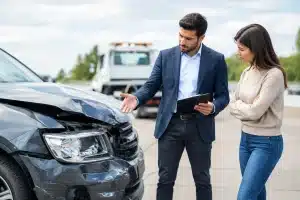
Honesty protects you from last-minute changes. If there is accident damage, missing wheels, a battery warning, fire damage, or the vehicle is blocked in, say so when requesting a quote. A clear description gives the collector the chance to send the right vehicle and equipment, helping collection go ahead smoothly.
How Collection and Payment Should Work
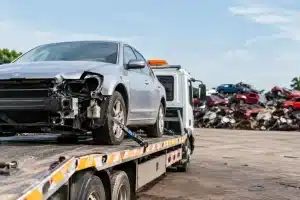
The process should be clear from the first call. Once you provide the vehicle details, you receive a quote based on the information available. If you accept it, collection is scheduled. Many broken electric cars can be collected even if they cannot be driven, provided the access is explained in advance.
On collection day, have your vehicle registration document available if you have it, along with photo identification if requested. The collector checks the vehicle against the agreed description and completes the relevant paperwork. Payment should be made by secure bank transfer rather than cash, in line with UK rules for end-of-life vehicle transactions.
Free collection is particularly valuable with a non-running EV. Arranging your own tow can add a significant cost and creates another job to manage. A professional buyer coordinates collection as part of the service, so you do not need to persuade a private buyer to transport a vehicle they cannot test drive.
Why Licensed Disposal Matters for Electric Vehicles
An electric car is not just another unwanted vehicle. Its high-voltage components require safe handling, and the vehicle must be processed through an authorized route. Using a licensed operator helps ensure the vehicle is treated responsibly and that you have the right record of the transaction.
Depending on the vehicle’s condition and disposal route, you may receive formal documentation confirming that it has been transferred for treatment. This matters because you need to know where responsibility for the vehicle ends. Keep all collection records and payment confirmation until the ownership and registration update is complete.
You should also notify the DVLA as required after the vehicle has been transferred. Do not assume that handing over the keys alone removes your responsibility. Correct paperwork helps prevent avoidable issues involving tax, penalties, or future correspondence connected to a car you no longer own.
Avoid the Common Problems When Selling a Broken EV
The fastest offer is not automatically the best offer. Be cautious if a buyer will not explain how collection works, cannot confirm payment arrangements, or pushes you to make decisions without seeing the basic terms. A vague quote can turn into a reduced price once the vehicle is loaded.
It is also worth checking whether collection is genuinely included. Some services advertise an attractive figure but add fees for non-runners, difficult access, distance, or recovery equipment. Ask direct questions before agreeing: Is collection free? Will the quoted amount be paid by bank transfer? What documents will I receive? Who handles the vehicle after collection?
Avoid leaving a damaged EV on the road or abandoned on private land while you decide. Aside from taking up space, a vehicle with known electrical damage may present a safety concern. Arrange professional collection promptly, particularly if the vehicle has suffered severe impact or water exposure.
A Straightforward Way to Move On
A broken electric car does not need to sit outside for months while you chase repairs or unreliable buyers. With the right information and a licensed collection service, you can turn an unwanted EV into a completed transaction without organizing transport yourself.
Call 07944 495 495 with the registration, location, and a clear description of the problem. A fair quote, planned collection, secure payment, and correct paperwork can give you a clean way to move on from a vehicle that is no longer practical to keep.