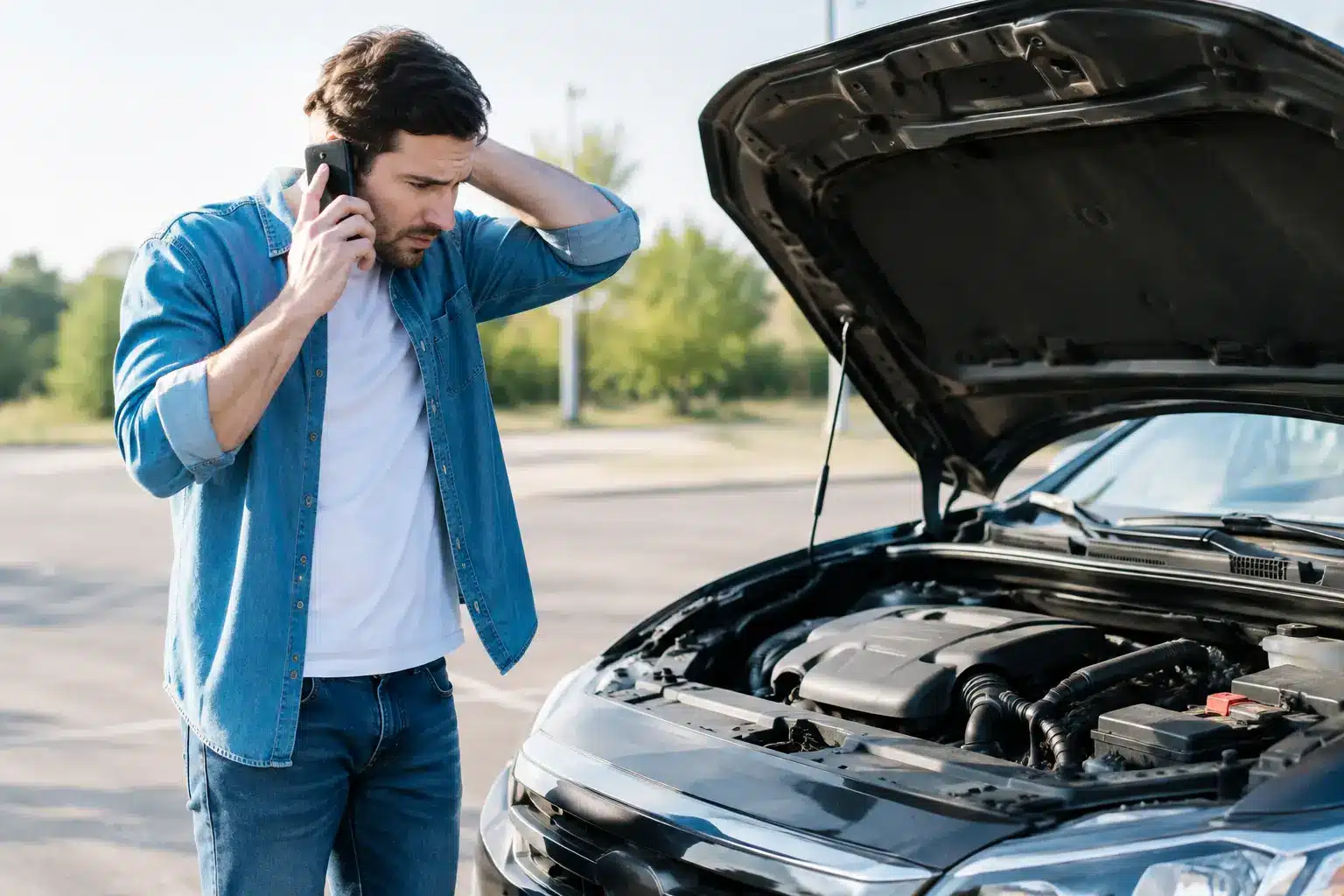
An engine failure can turn a car that was useful last week into a costly problem sitting on the driveway. If you need to sell car with engine failure, you do not have to pay for repairs you cannot justify, arrange a tow, or wait for a private buyer who may not show up. A professional vehicle buyer can quote for the car as it is, collect it from your location, and make payment without adding more hassle to an already frustrating situation.
The key is knowing what your car is worth in its current condition, being clear about the fault, and choosing a collection service that handles the transfer and disposal process properly.
Is It Worth Repairing an Engine Failure?
Not every engine issue means a vehicle is beyond saving. A failed sensor, starter motor, battery, or ignition component may be relatively straightforward to fix. However, major faults such as a cracked engine block, seized engine, snapped timing belt, severe overheating damage, loss of compression, or a failed head gasket can make repairs expensive very quickly.
The decision usually comes down to the cost of repair compared with the car’s market value once it is running again. If a garage estimate is close to, or higher than, the value of the vehicle, putting more money into it rarely makes financial sense. The same can be true when an older car also needs tires, brakes, bodywork, an MOT, or other work in the near future.
Ask for a written diagnostic estimate if you can, but do not feel pressured to authorize repairs just to make the vehicle easier to sell. A non-running car still has value based on its make, model, age, weight, condition, location, and current recycling market prices.
Your Main Options When You Sell a Car With Engine Failure
Private selling may work if the car is desirable, relatively new, or repairable at a sensible cost. But it takes time, and buyers of non-runners often expect a very low price. You will also need to deal with messages, viewings, negotiations, and the question of how the buyer plans to move a vehicle that cannot be driven.
Trading the car in is another possibility, although many dealers will not offer much for a vehicle with a major mechanical problem. They may also require you to deliver it, which creates another expense if it will not start or drive safely.
For many owners, selling directly to a specialist vehicle buyer is the practical route. This is especially useful when the car has failed unexpectedly, is blocking access to your property, has failed its MOT, or needs to be removed quickly. A reliable buyer should provide a clear quote, arrange free collection, pay by secure bank transfer, and explain what happens to the paperwork.
What Affects the Value of an Engine-Failed Car?
An engine problem does not create one fixed price. Two non-running vehicles of the same age can receive very different quotes. Provide accurate details from the outset so the valuation reflects the vehicle you actually have and the collection goes smoothly.
The registration number allows the buyer to identify the model and basic vehicle information. They will also usually ask for the make and model, year, fuel type, mileage, whether it starts or rolls, and where it is located. Be honest about accident damage, missing wheels, flood damage, a fire, or whether the vehicle is accessible for collection.
The engine fault matters too. Say whether the car overheated, makes knocking noises, has a timing issue, stopped while driving, or simply will not start. You do not need to diagnose the fault yourself. A straightforward description is enough. Trying to hide a problem can lead to a revised quote when the collector arrives, while a clear account gives you the best chance of an accurate offer.
Market conditions can also affect the price. Larger vehicles often contain more recyclable material, while complete cars that are easy to collect may command stronger quotes than stripped, inaccessible, or severely damaged vehicles. Location can matter where a recovery truck must travel a significant distance, though a good local service should confirm any collection terms before you agree.
How the Collection Process Should Work
A straightforward process matters when your car is already causing stress. After you request a quote, you should receive an offer based on the information provided. Check whether the quoted amount includes collection and whether it is conditional on the vehicle being complete and accurately described.
Once you accept, agree on a collection time that works for you. Same-day or next-day collection may be available depending on the area and schedule. You should not need to arrange a separate tow truck or try to get the engine running before the collector arrives.
Before handover, remove your personal belongings. Check the glove box, center console, trunk, door pockets, and under the seats. Take out parking permits, documents containing personal information, house keys, garage remotes, and any account or payment cards that may have been left behind.
Have your vehicle registration document available if you have it. In the UK, this is commonly called the V5C. Do not worry if it is missing, but tell the buyer before collection so they can explain the correct next steps. Keep any paperwork or confirmation you receive after the vehicle has been collected.
Payment should be clear and traceable. A secure bank transfer is generally the simplest option, as it creates a record of the transaction. Confirm that the funds have reached your account before the vehicle leaves your property. Never hand over the car based only on a promise that payment will arrive later.
Do Not Overlook the Legal Paperwork
Selling a non-running car is not just about getting it collected. You also need to make sure you are no longer recorded as the registered keeper. This protects you from future issues involving taxes, penalties, or correspondence connected to the vehicle.
Notify the DVLA that you have transferred the vehicle to the appropriate buyer or authorized treatment facility. The exact process can depend on how the vehicle is being handled, so ask the collector what documentation they provide and what you need to submit. A professional service should be able to explain this in plain language rather than leaving you to work it out after collection.
If your car is being disposed of as an end-of-life vehicle, make sure it is handled through licensed channels. You may be entitled to a Certificate of Destruction in applicable cases. This document provides important confirmation that the vehicle has entered an approved disposal process.
Keep records of the sale, payment, collection date, and any certificate or receipt. It only takes a few minutes, and it gives you evidence if a question arises later.
Avoid Common Mistakes That Delay a Sale
The most common issue is accepting a quote without checking what it covers. Ask whether collection is free, whether there are charges for a car that does not start, and whether the offer changes if the vehicle has flat tires or is parked in a difficult spot. A trustworthy buyer will ask sensible questions before confirming the price.
Another mistake is agreeing to a collection time without ensuring access. If the car is behind a locked gate, parked in an underground garage, blocked by another vehicle, or unable to roll, mention it early. Recovery teams can often deal with difficult collections, but they need the right equipment and enough information to plan properly.
Finally, do not cancel insurance or stop dealing with the registration paperwork before the sale is complete. Wait until the vehicle has been collected, payment has cleared, and you have completed the required keeper notification. That sequence keeps the process clean and avoids avoidable complications.
A Faster Route for Non-Running Vehicles
When an engine failure leaves you with a car you cannot use, speed and certainty are often worth more than chasing an uncertain private sale. Scrap Car Kings can provide an instant quote for non-running, damaged, and end-of-life vehicles, with free collection across London, Essex, and surrounding areas. The goal is simple: agree a fair price, collect the vehicle when convenient, make secure payment, and help you handle the process properly.
You do not need to turn an engine failure into a bigger project. Gather the vehicle details, describe the problem honestly, and choose a buyer that can collect it legally and pay you promptly. Then you can clear the driveway and move on without another repair bill waiting for you.