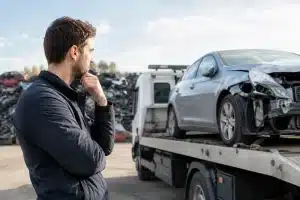
A failed MOT, a warning light that will not clear, or a car that has been sitting unused for months can turn a simple ownership decision into a headache. When weighing scrapping a car vs selling, the right choice comes down to one question: is the extra money you might get from a sale worth the time, cost, and uncertainty involved?
For a clean, roadworthy vehicle with a valid MOT and reasonable demand, selling may bring the higher price. For a non-runner, accident-damaged vehicle, insurance write-off, or car facing expensive repairs, licensed recycling is often the faster and more practical route. The best option is not always the one with the biggest advertised number. It is the one that leaves you with a fair payment, no surprise costs, and the paperwork handled properly.
Scrapping a Car vs Selling: The Quick Answer
Sell your car when it is safe to drive, presentable, and likely to attract genuine buyers without a long wait. This is especially true if it has a current MOT, modest mileage for its age, a documented service history, and no major mechanical issues. A private buyer may pay more because they can put the vehicle straight on the road.
Scrap your car when its repair bill is close to, or more than, its realistic sale value. This commonly applies to vehicles with engine or gearbox failure, serious body damage, structural corrosion, flood damage, repeated MOT failures, or no MOT at all. If it cannot be driven, arranging transport for viewings or trying to persuade buyers to collect it can quickly become more trouble than it is worth.
There is also a middle ground. A damaged but repairable vehicle may have value to a motor trader or specialist buyer. Before deciding, get an honest idea of its condition and compare a realistic sale offer with a firm collection quote. Do not compare a guaranteed payment with the highest optimistic listing price you see online.
When Selling Is Worth the Effort
Private selling usually works best for cars that are still usable. Buyers are more comfortable paying for a vehicle they can inspect, test drive, insure, and take home the same day. A popular make and model, clean interior, working electronics, and recent maintenance can all make selling more worthwhile.
The trade-off is effort. You will need to clean the vehicle, take photographs, write an accurate listing, answer messages, arrange appointments, and deal with people who do not show up. You may also face offers below your asking price, requests for a discount after inspection, or buyers who want you to hold the vehicle while they decide.
Be precise about faults. If the car has an engine management light, overdue repairs, accident damage, or an MOT advisory that could become costly, say so from the start. Hiding a problem can waste your time and create disputes later. A quick sale at a realistic price is often better than weeks of unanswered ads.
Selling can become less attractive if the vehicle is untaxed, uninsured, or unsafe to drive. A test drive is not sensible if there is a serious fault, and buyers may expect you to reduce the price to cover collection. In that situation, the difference between a private-sale price and a recycling quote may be smaller than it first appears.
When Scrapping Is the Better Choice
Scrapping is usually the sensible choice when the car has reached the end of its economical life. “Economical” matters here. A vehicle may technically be repairable, but if the work costs more than the car will be worth afterward, continuing to spend money on it rarely makes sense.
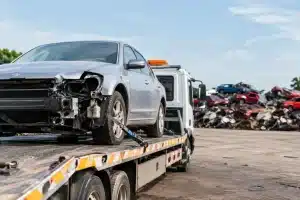
A licensed vehicle-buying and recycling service can collect a non-running or damaged vehicle from your home, workplace, garage, or repair shop. That avoids arranging a tow, paying recovery charges, or leaving an unwanted car where it could become a problem. For owners in London, Essex, and surrounding areas, this can be particularly useful where parking is limited and an immobile vehicle is taking up valuable space.
The payout for a vehicle being recycled depends on factors such as weight, make and model, condition, location, and current material values. A complete vehicle may be worth more than one with major components already removed, but every quote should be based on an honest description. State whether it starts, rolls, has wheels, has been in an accident, or has fire or flood damage. Clear information helps avoid a changed price at collection.
Speed is another advantage. Rather than waiting for a buyer to commit, you can arrange collection, hand over the vehicle, receive payment by secure bank transfer, and move on. That certainty has real value when you need the driveway clear, your replacement vehicle has arrived, or repair costs are mounting.
Look Beyond the Headline Price
The amount offered is only one part of the decision. A private buyer might offer more than a recycling service, but you should subtract the costs and risks attached to getting that higher figure.
For example, you may need to pay for an MOT retest, minor repairs, a valet, advertising, insurance, or transportation. If the car is off the road, you might have to arrange recovery before a buyer can even inspect it. Then there is the cost of your time: messages, calls, missed appointments, negotiations, and the possibility that the sale falls through.
A collection quote is more straightforward when it includes free pickup and payment without hidden collection charges. Ask whether the quoted amount is guaranteed based on the condition you have described. If someone offers an unusually high price before seeing the vehicle, then starts reducing it on arrival for reasons that were never mentioned, that is a warning sign.
A lower but firm offer can be better than a higher number that depends on repairs, weeks of waiting, or an unreliable buyer. The goal is not simply to get the highest possible figure. It is to get a fair result with the least avoidable hassle.
Paperwork and Legal Disposal Matter
This is where scrapping and selling differ most. When you sell privately, you remain responsible for notifying the DVLA that the vehicle has changed hands. Keep the buyer’s details and complete the relevant section of the V5C registration certificate promptly. Do not rely on the buyer to do it for you.
When a vehicle is being scrapped, use an authorized operator that can dispose of it compliantly and provide the correct documentation. If the vehicle is treated as end-of-life, you should receive a Certificate of Destruction where applicable. This is your evidence that the vehicle has entered the proper disposal process.
You should also notify the DVLA after the vehicle has been collected or transferred, following the instructions for your V5C. This helps protect you from future tax, parking, speeding, or enforcement issues connected with a car you no longer own. Keep copies of the collection confirmation, payment record, and any certificate you receive.
Be cautious with anyone who suggests leaving the vehicle in your name, offers to collect without documentation, or asks you to hand over the car without confirming who is taking it. A quick collection should still be professional, traceable, and properly recorded.
A Simple Way to Make the Decision
Start with the vehicle’s real condition, not what it was worth a few years ago. Check whether it runs, whether it has a valid MOT, what repairs are needed, and whether those repairs are financially sensible. Then think about your deadline. If you need the car gone this week, a long private-sale process may not fit.
Next, compare like for like. Get a realistic estimate of what the car could actually sell for in its current condition, then compare it with a confirmed collection quote. Factor in repairs, towing, advertising, and your time. If selling produces only a modest extra amount after those costs, collection and compliant recycling may be the better deal.
Finally, choose a service that explains the process clearly. Scrap Car Kings, for example, focuses on instant quotes, free collection, secure bank transfer, and licensed disposal so owners are not left organizing recovery or chasing paperwork.
What to Do Before Collection or Sale
Whichever route you choose, remove all personal belongings from the vehicle. Check the glove box, door pockets, trunk, under the seats, and any storage compartments. Remove parking permits, toll tags, documents you do not need to hand over, and any account information saved in the infotainment system.
Have your V5C ready if you have it, along with photo identification if requested. If you cannot find the registration certificate, tell the buyer or collection service before booking. It does not always prevent disposal, but it should be addressed openly rather than discovered at the doorstep.
Take a few clear photographs of the vehicle and note the date, mileage, and condition when it leaves you. That small step creates a useful record and gives you peace of mind.
The practical choice is the one that fits the car you have now, not the one you hoped it would become. If your vehicle is still a dependable, sellable car, give it a fair chance on the market. If it has become expensive, immobile, or difficult to shift, a transparent collection and licensed disposal process can give you a clean, fast finish without adding another problem to your week.