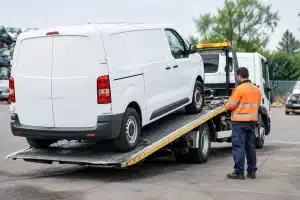
A failed MOT, accident damage, or a costly engine problem can make disposal feel like the obvious answer. But if you are asking, “can I scrap a financed car?”, the answer is usually not until the finance agreement has been settled or the lender has given clear written permission.
This catches many owners out. You may have the car at your home, insure it, tax it, and make the monthly payments, but that does not necessarily mean you legally own it. Disposing of a vehicle while a finance company still has an interest in it can create a serious problem – and it will not make the outstanding balance disappear.
Can I Scrap a Financed Car Before Paying It Off?
In most cases, no. With common agreements such as hire purchase, personal contract purchase, and conditional sale, the finance provider remains the legal owner until you make the final payment or settle the agreement early. That means you cannot normally authorize its recycling or transfer ownership to a vehicle buyer without their consent.
A personal loan is different. If you used an unsecured personal loan to buy the car, you generally own the vehicle from the start. You can dispose of it if you choose, although you still owe the lender the remaining loan balance. The loan is tied to you, not the vehicle.
Lease agreements are also different. The vehicle belongs to the leasing company, so it must be returned under the terms of the lease. It should never be disposed of independently.
The key point is simple: check the agreement rather than relying on what you think the monthly payment arrangement is called. Your paperwork will confirm the finance type and the registered legal owner.
Why Disposing of a Financed Vehicle Is a Problem
A financed car is an asset connected to a live contract. If it is collected and recycled without lender approval, you may be in breach of that contract. The lender can still pursue you for the full balance, along with any charges that apply under the agreement.
There is another practical issue. A licensed vehicle recycler needs to establish that the person arranging collection has the right to dispose of the vehicle. If the vehicle is recorded as having outstanding finance, a professional buyer may refuse collection until the position is resolved. That protects everyone involved.
Trying to hide the finance is never worth the risk. It can delay payment, complicate the ownership record, and leave you dealing with the lender after the vehicle has gone. A quick phone call and a clear settlement plan are far safer than an avoidable dispute.
What to Do Before You Scrap a Financed Car
Start by contacting your finance provider and asking for an early settlement figure. This is the amount needed to end the agreement on a specific date. It may be lower than simply adding up every remaining monthly payment, because future interest can sometimes be adjusted.
Ask the lender whether there are any conditions attached to settling the account. Once paid, request written confirmation that the agreement is closed and that they no longer have an interest in the vehicle. Keep this confirmation with your other vehicle documents.
Next, get a realistic quote for the vehicle in its present condition. Be honest about accident damage, missing keys, flat tires, non-starting faults, or MOT failures. An accurate description helps avoid surprises at collection and lets you see whether the vehicle value will cover all or part of the settlement figure.
If the quote is less than the settlement amount, you will need to pay the shortfall to the lender. For example, if your settlement figure is £2,000 and the vehicle is worth £700 for recycling, the remaining £1,300 must still be paid. The car’s condition does not cancel the finance debt.
Once the finance is cleared and the lender has confirmed this, you can arrange compliant collection. At that stage, a service such as Scrap Car Kings can provide a quote, collect the vehicle for free where available, make secure payment, and ensure it is processed through the proper licensed route.
Can the Finance Company Arrange Disposal?
Sometimes, particularly where a car is severely damaged or no longer economical to repair, the lender may discuss available options with you. This does not mean they will automatically take the vehicle back or write off the debt. Their decision will depend on your agreement, the vehicle’s value, and whether payments are up to date.
If the vehicle is an insurance total loss, speak to both the insurer and finance provider before accepting a payout. The insurer may pay the finance company directly up to the amount owed. If the payout is lower than the settlement figure, you remain responsible for the difference unless you have separate cover that addresses the gap.
Do not arrange collection while an insurance claim is still unresolved. The insurer may need to inspect the vehicle or take ownership as part of the claim. Removing it too early can affect the settlement of your claim.
What About Voluntary Termination?
Voluntary termination may be an option for some hire purchase and PCP agreements regulated by the Consumer Credit Act. Broadly, once you have paid at least 50% of the total amount payable under the agreement, you may be able to return the vehicle and end the contract without paying the remaining scheduled installments.
However, voluntary termination is not the same as scrapping a financed car. You return the vehicle to the finance company, and it decides what happens next. You should also check the condition requirements carefully. Reasonable wear and tear may be accepted, but significant damage beyond normal use can lead to additional charges.
If you have not reached the 50% point, you can still ask the lender about voluntary surrender. Be cautious with this option. Returning the vehicle does not necessarily clear the debt, and the lender may sell it and pursue you for any remaining balance.
Paperwork Matters Once Finance Is Cleared
After settlement, make sure the registered keeper details are accurate before arranging collection. You will usually need your V5C logbook or enough information to identify the vehicle correctly, including its registration number and VIN where required.
When a vehicle reaches an Authorized Treatment Facility, a Certificate of Destruction may be issued when applicable. This is an important record that the vehicle has been taken off the road and processed properly. You should also follow the required DVLA notification process so you are no longer recorded as responsible for the vehicle.
Remove personal belongings before collection, including documents, parking permits, charging cables, and any items stored in the trunk or glove box. Take photographs of the vehicle and keep copies of the collection confirmation, payment record, finance settlement letter, and disposal paperwork. These small steps give you a clear record if any questions arise later.
A Faster, Safer Route When the Car Is Worth Less Than the Finance
It is frustrating when a damaged or non-running vehicle is worth less than the amount you owe. Still, dealing with the shortfall directly is usually the cleanest route. Paying it off, agreeing a repayment arrangement with the lender, or using insurance proceeds where applicable lets you close the agreement properly and move on.
Avoid anyone who suggests that collecting the car will erase the finance or that paperwork does not matter. A legitimate collection service will want the ownership position clear before proceeding. That may feel slower at first, but it prevents a far more difficult situation later.
If your financed vehicle has reached the end of its useful life, settle the lender’s interest first, keep the confirmation, and then arrange licensed disposal with full paperwork. It is the straightforward way to turn an unwanted car into a resolved job rather than an ongoing financial headache.