A car that will not start can become an expensive problem quickly. It may be parked on a driveway, blocking space, failed its inspection, or simply cost more to repair than it is worth. Knowing how to sell a non runner means you can turn that problem into a straightforward sale without arranging a tow, dealing with unreliable private buyers, or guessing what paperwork is needed.
For most owners, selling to a licensed vehicle buyer is the quickest route. You provide the vehicle details, receive a quote, arrange free collection, and get paid when the vehicle is collected. The key is choosing a buyer that is clear about price, payment, and legal disposal from the start.
What Counts as a Non-Runner?
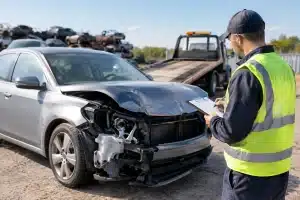
A non-runner is any vehicle that cannot be driven safely or legally under its own power. That could mean it has a flat battery, engine failure, gearbox problems, electrical faults, collision damage, flood damage, or a serious inspection failure.
Not every non-runner has the same value. A car with a simple starting issue may be worth more than one with major structural damage, but a vehicle does not need to be repairable for you to sell it. Its make, model, age, weight, condition, location, and current market demand can all affect the offer.
Be honest about the condition when requesting a quote. If the engine does not start, say so. If it has missing wheels, severe damage, or has been sitting for years, include that information too. Accurate details help the buyer give a realistic price and arrive with the right recovery equipment.
How to Sell a Non Runner in Four Clear Steps
The process should not require weeks of advertising or a string of wasted appointments. A professional vehicle-buying service will usually handle the sale in four stages.
1. Gather the basic vehicle details
Have the registration number, make, model, approximate mileage, and a clear description of the fault ready. It also helps to know whether you have the vehicle title or registration document, keys, and a valid form of identification.
Do not worry if the vehicle has no current inspection certificate or the registration document is unavailable. These issues do not always prevent a sale, but they should be discussed before collection. A reputable buyer will explain what evidence of ownership they need and what steps apply in your situation.
2. Request a quote based on its real condition
A fair quote should reflect that the vehicle does not run. Be cautious of a high headline figure with vague terms, particularly if the buyer cannot explain whether collection, administration, or recovery costs will be deducted later.
Ask whether the quoted amount is the amount you will receive if the condition matches your description. Also confirm that collection is free, especially if the car is inaccessible, has a flat tire, or cannot be moved from private property. Clear answers now prevent an uncomfortable price reduction at the curb.
3. Book collection at a time that works for you
A non-running vehicle needs professional recovery, not a friend with a rope or an improvised tow. The collection team should be able to load it safely from your home, workplace, garage, or approved roadside location.
Before confirming the appointment, tell the buyer about access restrictions. Narrow gates, underground parking, locked wheels, a steep driveway, or a vehicle without keys can change what equipment is needed. This is not about making the sale harder. It makes sure collection is completed without delay or damage to the surrounding property.
4. Complete the paperwork and receive payment
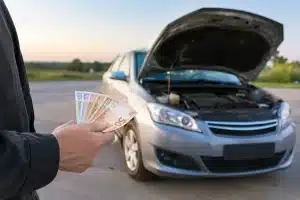
Payment should be agreed before the vehicle leaves. Many sellers prefer a secure bank transfer because it provides a clear record of the transaction. Check that the funds have been sent according to the agreed terms and keep any receipt or confirmation supplied by the buyer.
For vehicles registered in the UK, you must also notify the DVLA that you have transferred or disposed of the vehicle. A compliant buyer can guide you through the relevant details and provide the documentation needed for proper disposal. This protects you from remaining linked to a vehicle that is no longer in your possession.
Why Private Selling Is Often the Wrong Fit
You can advertise a non-runner privately, but it is rarely as simple as it sounds. Buyers may expect to inspect it several times, negotiate heavily after arriving, or disappear when they learn it needs recovery. You may also have to arrange transportation, answer questions from people who never intend to buy, and take payment from strangers.
Private sale can make sense when the vehicle is a desirable model with a clearly minor fault and you have time to wait for the right buyer. Even then, you need to be realistic about the effort involved. If the priority is speed, free collection, and a clean legal handover, a specialist buyer is generally the more practical choice.
What Affects the Value of a Non-Running Vehicle?
There is no single fixed price for a non-runner. The weight of the vehicle and current recycling market values matter, but so do its age, condition, and demand. Newer vehicles, vans, and models with valuable reusable materials may attract stronger offers than older, heavily damaged cars.
The details that most often influence a quote include:
- The make, model, year, and vehicle type
- Whether it starts, rolls, steers, and has all four wheels
- Accident, flood, fire, or mechanical damage
- Missing keys, documents, or major components
- Your location and how easily the vehicle can be collected
A quote may change if the information provided does not match the vehicle at collection. That is reasonable when a major issue was not disclosed, but it should never come as a surprise. A trustworthy buyer explains why any adjustment is necessary and gives you the choice to proceed or decline.
Avoid These Common Mistakes Before Collection
First, do not accept an offer without confirming how and when you will be paid. A verbal promise is not enough. Get the agreed price and payment method confirmed before the recovery vehicle arrives.
Second, remove personal belongings thoroughly. Check the glove box, trunk, door pockets, under the seats, sun visor, and any storage compartments. Delete saved addresses and contacts from the infotainment system if possible, and take out parking permits, toll tags, insurance papers, and service records you want to keep.
Third, do not leave the ownership transfer until later. Prompt notification to the DVLA is one of the most important parts of selling a vehicle. Retain confirmation that the transfer or disposal has been recorded, along with the buyer’s receipt.
Finally, avoid anyone who pressures you to hand over the vehicle without identification, paperwork, or a confirmed payment arrangement. A fast sale should still be a documented and professional one.
Choose a Buyer That Handles the Whole Job
The best service does more than remove a car from your driveway. It gives you a transparent valuation, arranges recovery at no extra cost, pays promptly, and ensures the vehicle enters a licensed disposal process. That combination matters when your car cannot be test-driven, transported easily, or sold through normal channels.
Scrap Car Kings works with owners across London, Essex, and nearby areas who need a quick, compliant route for unwanted and non-running vehicles. The focus is simple: an accurate quote, scheduled free collection, secure payment, and support with the required handover process.
A non-runner may no longer get you where you need to go, but it does not have to sit there creating stress. With honest details, a clear quote, and a properly documented collection, you can clear the space and move on with confidence.