A damaged car can become expensive surprisingly quickly. It may have failed its MOT, been declared an insurance write-off, suffered flood or accident damage, or simply stopped starting on the drive. If repairing it costs more than the vehicle is worth, knowing how to scrap a damaged car gives you a fast, legal route to clear the problem and receive payment without arranging transport yourself.
For most owners, the process is straightforward when you use a licensed vehicle buyer that collects the car, pays by bank transfer, and handles the disposal paperwork properly. The key is to provide accurate details, keep the right documents, and make sure the vehicle goes to an Authorized Treatment Facility.
Decide whether scrapping is the right option
Scrapping is usually the sensible choice when a car is unsafe to drive, uneconomical to repair, or unlikely to attract a realistic private-sale offer. Major engine faults, gearbox failure, severe structural damage, fire damage, and extensive corrosion can all put a vehicle in this category. The same applies to many non-runners, especially where recovery and repair costs keep climbing.
That said, damage does not automatically mean a vehicle should be scrapped. A newer car with repairable body damage may still have a higher value as an accident-damaged vehicle. Compare the likely repair cost, the car’s pre-damage market value, and the offer you receive for disposal. Be realistic about additional costs too, including towing, an MOT retest, and the risk of further faults appearing after repairs.
If the numbers do not stack up, scrapping removes the uncertainty. You receive a clear price, avoid dealing with time-wasting buyers, and arrange collection around your schedule.
Get an accurate quote for your damaged car
A fair quote depends on more than the make and model. Vehicle weight, age, location, current metal values, the extent of damage, and whether the vehicle is complete can all affect the price. A vehicle that cannot move is still collectable, but it is important to say so when requesting a quote so the correct recovery equipment can be sent.
Have your registration number ready, along with the make, model, year, mileage, and a brief explanation of the damage. Mention whether the car starts, rolls, has all four wheels, or is located in a tight-access area, underground parking garage, or roadside space. Clear information at the outset helps prevent delays on collection day and means the quote is based on the actual condition of the vehicle.
Be wary of a price that changes without a clear reason once the collector arrives. A professional buyer should explain what affects the valuation before collection, not use pressure to force a last-minute reduction.
Choose a licensed collector, not just the highest offer
The quickest quote is not always the best deal if the disposal process is not compliant. In England, end-of-life vehicles must be processed through an Authorized Treatment Facility. This ensures hazardous fluids and materials are handled safely and the vehicle is recycled in line with environmental rules.
Ask whether the business works with licensed operators and whether you will receive a Certificate of Destruction when one is applicable. This document confirms that the vehicle has been destroyed and taken off the road permanently. It is particularly relevant when the vehicle is being disposed of as an end-of-life car rather than sold on for repair.
A reputable service should also be clear about collection, payment, and paperwork. For London and Essex owners with a non-running or badly damaged vehicle, free collection can make a major difference. It saves the cost and hassle of booking a separate tow truck just to complete the disposal.
Prepare the car before collection
You do not need to spend money making a damaged car presentable. However, a few practical checks protect you from avoidable problems. Remove all personal belongings from the glove box, door pockets, trunk, under-seat storage, and any phone holders. Check paperwork folders carefully, as these often contain bank letters, receipts, or personal information.
You should also remove your parking permits, toll tags, and any personal plates you intend to retain. If you have a personalized registration number, apply to retain it before the vehicle is disposed of. Once the car has been processed, recovering the registration may not be possible.
Keep your V5C log book if you have it. It is useful for confirming your details and notifying DVLA that you are no longer responsible for the vehicle. Do not worry if the V5C has been lost, but tell the buyer in advance. A legitimate collector can explain the appropriate next step.
For safety, disclose any hazards. This includes a flat tire, leaking fluids, missing wheels, locked steering, accident damage that affects loading, or a vehicle parked where access is limited. The recovery team can plan accordingly instead of arriving with unsuitable equipment.
How to scrap a damaged car: the collection process
Once you accept a quote, agree on a collection time and make sure the car is accessible. If it is parked on a public road, check whether there are local restrictions that could prevent a recovery vehicle from stopping safely. If you live in an apartment block or use a gated driveway, arrange entry in advance where needed.
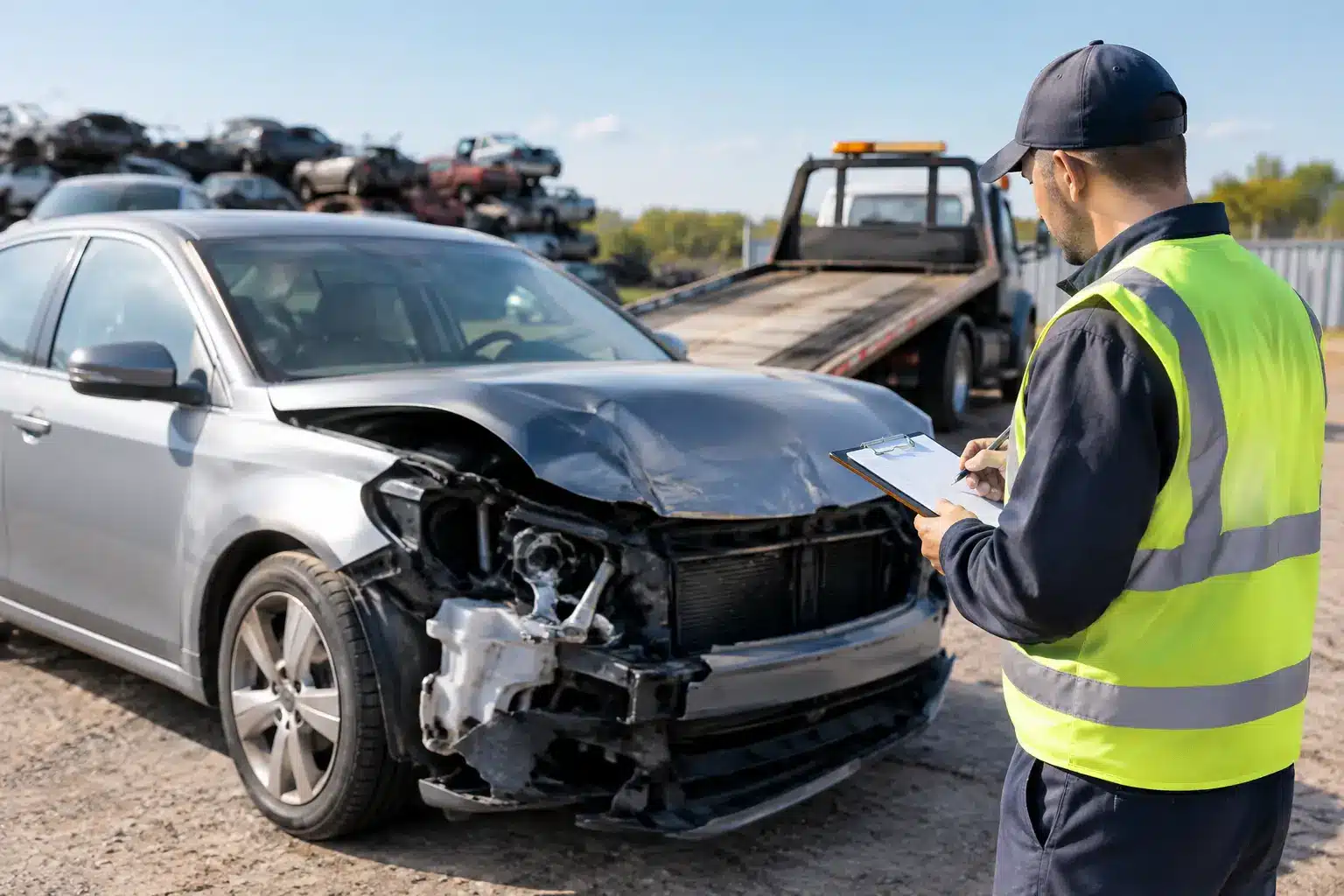
At collection, the driver should verify the vehicle details and condition. This is the time to ask any final questions about the price, transfer of responsibility, and paperwork. You should not hand over the car until you understand what documentation will be provided and how payment is being made.
Payment for scrap vehicles must be made through a traceable method rather than cash. Bank transfer is common because it provides a clear record for both sides. Confirm that the funds have arrived in your account before the vehicle leaves, unless you have agreed another documented payment arrangement.
Scrap Car Kings can arrange an instant quote, free collection, and secure bank transfer, helping owners dispose of damaged and non-running vehicles without organizing recovery separately. The service should feel clear from the first call through to collection, not complicated or rushed.
Notify DVLA after the vehicle has gone
Do not assume someone else will automatically update your records. After collection, notify DVLA that you have transferred the vehicle to a motor trader, insurer, or authorized treatment facility, depending on the circumstances. The correct notification route depends on how the vehicle was disposed of, so use the details supplied during the transaction.
This step matters because it helps end your responsibility for vehicle tax, parking fines, enforcement notices, and other issues connected to the registration. Keep a copy of the collection receipt, payment confirmation, and any Certificate of Destruction or written confirmation you receive.
If you have paid vehicle tax in advance, you may be eligible for a refund for complete remaining months after DVLA updates the record. You do not usually need to make a separate claim, but keep an eye on the registered keeper details and your bank account.
Common mistakes that can delay disposal
The biggest mistake is waiting too long because the car is still technically on the driveway. A damaged vehicle can deteriorate, lose value, leak fluids, or become a problem with neighbors and local parking rules. Acting promptly is often simpler than repeatedly postponing a decision you have already made.
Another issue is giving incomplete condition details to secure an unrealistic quote. Be honest about non-running status and major damage. A transparent description gets you a more reliable offer and a smoother collection.
Finally, do not leave paperwork until later. Keep records, notify DVLA promptly, and only use a service that can show it is handling the vehicle through the correct channels. The few minutes spent checking this can protect you from much bigger headaches later.
A damaged car does not need to take up space, money, or attention for another month. With an accurate quote, licensed collection, traceable payment, and prompt DVLA notification, you can move it on properly and get back to dealing with what matters.