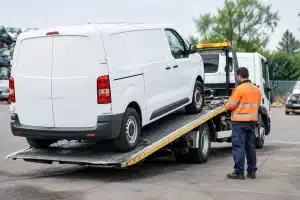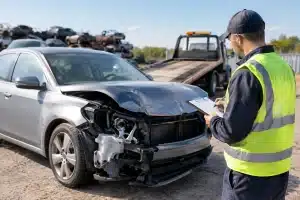
A failed MOT, a dead battery that is not the real problem, or accident damage can turn a car into an expensive fixture outside your home. When people search for cash for cars London, they usually want a clear answer to three questions: what is it worth, who will collect it, and can the sale be completed legally without creating more work?
For an unwanted, damaged, or non-running vehicle, private selling is not always the best route. Viewings, no-shows, price haggling, towing arrangements, and uncertainty over paperwork can quickly outweigh the chance of getting a little more money. A professional vehicle-buying service gives you a practical alternative: an upfront quote, collection from a suitable location, secure payment, and compliant disposal or recycling.
What cash for cars London should actually mean
The phrase sounds simple, but a proper service involves more than removing a vehicle and sending payment. The value offered should reflect the vehicle’s make, model, age, condition, weight, location, and current market demand for recyclable materials. A complete vehicle with wheels, a catalytic converter, and key components still present may be valued differently from one that has been stripped, badly fire-damaged, or inaccessible.
There is also an important legal point. In the UK, scrap metal dealers cannot pay for scrap vehicles with physical cash. Reputable operators pay by bank transfer or another traceable electronic method. So, in practice, “cash for cars” means prompt payment for your vehicle, not notes handed over at collection. A secure bank transfer protects both parties and leaves a clear record of the transaction.
The best providers explain this before collection rather than allowing surprises on the day. If a price is conditional on details you have not yet shared, such as missing wheels, severe damage, or a vehicle blocked in on a driveway, they should say so plainly.
When selling your car this way makes sense
This route is especially useful when a vehicle has reached the point where repair no longer makes financial sense. An old car that keeps failing its MOT may need hundreds or thousands of pounds of work with no guarantee that another fault will not appear shortly afterward. A vehicle that will not start can be difficult to sell privately, particularly if buyers cannot test-drive it.
It can also be the sensible option after an insurance write-off, flood damage, a major mechanical failure, or an accident. In these cases, arranging recovery yourself and negotiating with private buyers can be a drawn-out process. Collection as part of the service removes a major obstacle.
That said, disposal is not automatically the right decision for every older car. If it is roadworthy, has a valid MOT, and needs only modest repairs, a private sale may bring a higher return. The trade-off is time and effort. For owners who need the vehicle gone quickly, want to avoid recovery costs, or simply do not want strangers visiting their property, an instant quotation and collection can be worth more than chasing the highest possible asking price.
How the process should work
A straightforward sale normally starts with a few accurate vehicle details. You will usually be asked for the registration number, make and model, condition, postcode, whether it starts, and any major damage. Be candid about missing parts, flat tires, accident damage, and access restrictions. Accurate information is the quickest way to receive a quote that stands up when the collection vehicle arrives.
Once you accept a quote, collection can be scheduled at your home, workplace, repair garage, or another safe, agreed location. Free collection is particularly valuable for non-runners because moving them independently can cost money before you have received anything for the vehicle.
At collection, the driver or representative should verify the vehicle and ownership details, then arrange payment by bank transfer. Have your bank details ready and check that the funds have arrived before the vehicle leaves. You should also receive the relevant paperwork or confirmation that the vehicle has entered the proper disposal process.
With Scrap Car Kings, the aim is to keep these steps clear: quote, book collection, receive secure payment, and complete the required documentation without leaving you to chase the details.
Documents and DVLA responsibilities
Paperwork is where a quick sale can become a problem if it is handled casually. Keep your V5C registration certificate if you have it, along with photo identification and any information needed to establish that you are entitled to sell the vehicle. Losing the V5C does not always prevent disposal, but tell the buyer early so they can explain the available process.
The key issue is making sure the DVLA is notified correctly when the vehicle changes hands or is taken for treatment. This helps protect you from future tax, penalty, or enforcement notices connected to a car you no longer own. Do not assume that simply handing over the keys ends your responsibility.
For end-of-life vehicles, a licensed Authorised Treatment Facility should issue a Certificate of Destruction when applicable. This is formal evidence that the vehicle has been destroyed through an approved route. Ask what documentation you will receive and how the DVLA notification will be handled before agreeing to collection.
Remove personal belongings before the appointment. Check the glove box, door pockets, trunk, under-seat storage, and any phone holders or charging compartments. Delete saved home addresses, contacts, and call history from the infotainment system if possible. It is also wise to remove parking permits and retain any service records you want to keep.
Getting a fair quote without the usual hassle
The highest advertised number is not always the best deal. A quote is only useful if it includes collection, reflects the vehicle’s real condition, and is paid as promised. Be cautious if a buyer gives a generous figure without asking basic questions, then tries to lower it sharply at pickup based on issues that were never discussed.
A fair valuation starts with accurate details and stays transparent. Tell the buyer if the car is missing a key, has a flat tire, is on a multi-level parking structure, or cannot be accessed by a recovery vehicle. These details do not necessarily stop collection, but they can affect the equipment and time required.
You should also confirm whether the quoted amount is final, whether collection is genuinely free, and when payment is made. A dependable service will answer directly. There should be no pressure to accept a changed offer simply because a truck is already at your address.
Why licensed disposal matters
An end-of-life vehicle contains fluids, batteries, tires, and other materials that require controlled handling. Using licensed operators and approved facilities helps ensure the vehicle is processed responsibly and in line with environmental rules. It is not just an administrative detail. Improper disposal can leave the registered keeper exposed to avoidable complications if the vehicle is later abandoned or mishandled.
Licensed recycling also means useful materials can be recovered properly while hazardous substances are managed safely. For most owners, this happens behind the scenes, but it is one of the main reasons to choose a professional service rather than an unknown buyer offering a vague collection arrangement.
A quicker way to move on from an unwanted vehicle
Whether your car is a non-runner in East London, an MOT failure in Essex, or a damaged van taking up space at home, the process should not feel uncertain. Give accurate details, choose a provider that offers free collection and traceable payment, and make sure the paperwork is addressed before the vehicle goes.
The right service lets you clear the space, receive a fair payment, and know the vehicle has been dealt with properly – leaving you free to focus on what comes next.