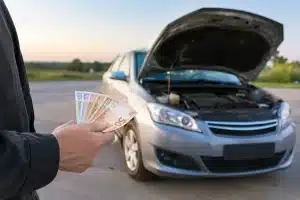
A vehicle that has failed its MOT, will not start, or has been written off can quickly become a problem sitting on your drive. A licensed car recycling service turns that problem into a clear, legal transaction: you receive a quote, collection is arranged, payment is made securely, and the vehicle is processed through the correct channels.
That matters more than many owners realize. Handing a vehicle to the wrong buyer can leave you dealing with missed paperwork, penalty notices, or a car that is no longer in your possession but is still registered in your name. The right service should make disposal simple without asking you to take risks.
Why licensing matters when recycling a vehicle
A vehicle does not stop being your responsibility simply because someone has loaded it onto a truck. Until the ownership and disposal process is properly recorded, you may still be connected to parking fines, traffic penalties, or other issues that arise afterward.
A licensed operator works with an Authorized Treatment Facility, often called an ATF. These facilities are approved to depollute and recycle end-of-life vehicles responsibly. Fluids, batteries, tires, and other materials need controlled handling before the vehicle can be processed. This is not just an environmental point. It is a practical safeguard for you as the registered keeper.
A legitimate buyer should be able to explain what happens after collection, provide the relevant paperwork, and support you with the DVLA notification process. If a company is vague about licensing, collection records, or payment, that is a reason to pause.
What a licensed car recycling service should handle
For most owners, the value of professional collection is not only the price offered. It is the removal of several jobs that would otherwise take time, transport, and patience to organize yourself.
A straightforward service should give you an initial quote based on the vehicle details, including its make, model, age, condition, location, and whether it is complete. A non-runner, accident-damaged car, or flood-damaged vehicle can still have value, but its condition affects the final offer. Being accurate about damage and missing items helps prevent surprises when the collector arrives.
Collection should be arranged at a time that works for you. If the vehicle cannot be driven, the collection provider should have suitable transport rather than expecting you to arrange towing. In London, Essex, and nearby areas, this can be especially useful when a car is taking up limited driveway space or is parked at a repair shop.
Payment should be clear and traceable. Secure bank transfer is the normal route for vehicle recycling transactions, and you should know when payment will be sent. You should also receive confirmation of collection and clear guidance on notifying the DVLA that you are no longer responsible for the vehicle.
The process, from quote to collection
The best disposal process is simple because each stage has a purpose. You provide the registration number and a brief description of the car’s condition. The buyer uses that information to prepare a quote and confirm whether free collection is available.
Once you accept, you agree on a collection time. Have your vehicle registration certificate, commonly known as the V5C logbook, ready if you have it. Do not worry if it is unavailable, but tell the buyer before collection. A professional service can explain the alternatives and what identification or additional information may be needed.
At collection, the driver should confirm the vehicle details and condition. This is the moment to raise any question about payment, paperwork, or the next steps. The vehicle is then removed, and payment is made by the agreed method.
Afterward, complete the DVLA notification promptly. Keeping a record of the collection date, the buyer’s details, and any confirmation received gives you a useful paper trail. If the vehicle is being destroyed, ask whether a Certificate of Destruction will apply. Not every vehicle collected for recycling receives one immediately, as it depends on how it is processed, but the provider should explain the position clearly.
Questions to ask before you agree to a quote
A fast quote is useful, but speed should not replace basic checks. Ask whether collection is free, whether the quoted figure is subject to inspection, and what could change the price. A fair buyer will explain that significant undisclosed damage or missing items may affect the valuation, rather than introducing unexplained deductions at the last minute.
You should also ask who is collecting the vehicle and whether the service works through licensed treatment facilities. Confirm how and when you will be paid. If you are selling on behalf of a family member, an estate, or a business, ask what authorization documents are required before booking.
It also helps to ask what you need to do with the V5C. The process can vary slightly depending on the circumstances, but you should never be left guessing about your DVLA responsibilities. A reliable operator will give direct instructions rather than treating the paperwork as an afterthought.
When recycling is the better option than selling privately
Private selling can make sense for a roadworthy vehicle with a current MOT, a realistic resale value, and time on your side. It is less attractive when a car has major mechanical faults, serious body damage, accident damage, or has been off the road for months.
Selling privately often means arranging viewings, answering messages, negotiating with buyers, and dealing with people who may not show up. You may also need to repair the car, transport it, or pay for storage while waiting for a sale. For an unwanted non-runner, those costs and delays can outweigh the potential benefit.
Recycling is usually the more practical route when your priority is quick removal, compliant handling, and a confirmed payment. The offer may depend on the vehicle’s weight, condition, demand for materials, and ease of collection. That is why the highest headline quote is not always the best overall deal. A slightly lower offer with free collection, clear paperwork, and no surprise charges can be the better outcome.
Avoiding common disposal mistakes
Do not hand over a vehicle without knowing who is taking it or where it is going. A handwritten note with no business details is not a substitute for proper collection records. Equally, do not leave the vehicle registered to you because a buyer says they will sort it later. Notify the DVLA yourself using the correct process.
Remove personal belongings before collection. Check the glove compartment, trunk, door pockets, under the seats, and any phone holders. Delete saved addresses and personal data from the vehicle’s navigation or infotainment system if possible. Keep your insurance active until the vehicle has been collected, then contact your insurer to cancel or amend the policy.
Finally, be upfront about the condition. A dead battery is different from a vehicle with severe structural damage, and a collector needs accurate information to send the right equipment. Honest details protect the agreed price and help collection happen without delays.
A simpler way to move on from an unwanted vehicle
An old, damaged, or non-running car does not need to become a long-running inconvenience. Scrap Car Kings helps owners arrange an instant quote, free collection, secure payment, and licensed disposal without the uncertainty of finding a private buyer.
The right choice is the service that is clear before collection, reliable on the day, and accountable afterward. When every step is explained and recorded, you can clear the space, complete your obligations, and move on with confidence.