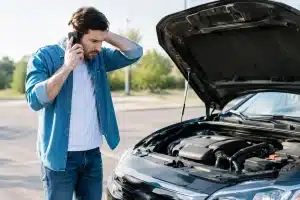
A car that will not start can quickly become more than an inconvenience. It may be taking up a parking space, failing its MOT, waiting on an expensive repair, or leaving you unsure what to do next. Getting cash for non runners gives you a practical way to remove the vehicle, recover its remaining value, and make sure it is disposed of legally.
For most owners, the key is not finding someone who will simply take the car away. It is finding a buyer who gives a fair quote, collects it without adding surprise charges, pays promptly, and handles the required paperwork properly.
How Cash for Non Runners Works
A non-running vehicle can still have value even if it has a failed engine, flat battery, gearbox issue, accident damage, electrical fault, or serious MOT failure. Its value is usually based on the vehicle’s weight, make and model, age, condition, location, and the current market for recyclable materials.
The process should be straightforward. You provide the registration number, vehicle details, location, and an honest description of its condition. A buyer uses that information to make a quote and arrange collection at a time that works for you. Once the vehicle is collected and the details have been checked, payment is made by secure bank transfer and the disposal paperwork is handled.
A reliable service will ask sensible questions before confirming a price. Does the car roll? Are the wheels fitted? Is it accessible to a recovery truck? Does it have major fire, flood, or collision damage? These details are not a reason to avoid asking for a quote. They simply help avoid delays and make sure the collection is planned correctly.
What Information Helps You Get an Accurate Quote
Have your registration number and postcode ready, along with the make, model, and a clear description of the fault or damage. If you know why the vehicle stopped running, say so. For example, an engine failure, missing keys, a seized brake, or a failed transmission can affect the collection method and valuation.
It also helps to state whether you have the V5C logbook. You can still discuss disposal options if the document is missing, but the buyer will need to verify ownership and may ask for identification. Being clear from the start protects everyone involved and keeps the transaction moving.
What Affects the Value of a Non-Running Car?
There is no single fixed price for every non-runner. Two cars of the same age can receive different quotes because condition and collection requirements matter. A complete vehicle with its wheels, catalytic converter, and major components intact will normally be worth more than one that has been heavily stripped, burned, or damaged beyond easy loading.
Vehicle size matters too. Larger vans, SUVs, and heavier cars may contain more recyclable material, while newer or more desirable models may have a different market value. Current commodity prices can change from week to week, which is why an old quote is not always a reliable guide to today’s price.
Location can also make a difference. A vehicle parked on a clear driveway is usually simpler to collect than one in a tight underground garage, behind a locked gate, or on a road with restricted access. That does not mean difficult collections are impossible. It means the collection team needs accurate details before attending.
Be cautious of unusually high offers that come with no questions. A quote that appears generous at first can be reduced on arrival if the buyer has not accounted for damage, missing items, access problems, or paperwork. A transparent quote based on honest vehicle information is more useful than a headline figure that changes at the curb.
Why Private Selling Is Often Not Worth the Hassle
A running used car may be suitable for a private sale. A non-runner is different. Buyers often want to inspect it, negotiate over a fault they have not diagnosed, arrange their own transport, or stop responding once they understand the repair costs. You may also need to manage test-drive requests, no-shows, and questions about a vehicle you no longer want to keep.
Repairing the car before selling is not automatically the better choice either. A failed timing chain, transmission, hybrid battery, or major electrical issue can cost more to diagnose and repair than the vehicle is worth. If the car has multiple faults, an expired MOT, corrosion, or accident damage, putting more money into it can become a losing calculation.
Selling directly for recycling is often the simpler route when the vehicle is clearly at the end of its useful life. You know the collection date, you avoid arranging a tow yourself, and you can move on without waiting for an uncertain private buyer.
Free Collection Should Mean No Last-Minute Fees
Collection is one of the biggest practical concerns for a non-running car owner. If the car cannot be driven, you should not have to find a tow truck, pay transport costs separately, or take time off work to deliver it somewhere.
Ask whether collection is included in the quoted price and whether there are any circumstances that could change it. A professional buyer should explain this before booking. In many cases, a non-runner can be collected from a home, workplace, repair shop, or roadside location, provided it is safe and legal to access.
Take a few minutes before collection to remove personal belongings from the glove box, trunk, door pockets, and under the seats. Check for documents, parking permits, sunglasses, charging cables, and anything stored in the spare-wheel area. Remove your plates only if you have been advised to do so. Otherwise, leave the vehicle as agreed so the collection can be completed without complications.
Paperwork Matters as Much as Payment
Getting paid is only one part of disposing of a non-runner properly. The registered keeper must make sure the vehicle is transferred or disposed of through the correct channels. In the UK, that includes notifying the DVLA when the vehicle has been sold or transferred to an authorized operator.
When a vehicle is being disposed of as end-of-life, you should receive a Certificate of Destruction where applicable. This confirms that it has entered the proper disposal process and helps protect you from future responsibility. Keep copies of any confirmation, payment record, and collection paperwork for your records.
Do not hand over a vehicle without knowing who is taking it and what will happen next. A legitimate operator should be able to explain the process clearly, verify the vehicle details, and ensure it is processed through an Authorized Treatment Facility. This is especially important if the car is untaxed, uninsured, accident-damaged, or has been sitting unused for a long time.
When a Non-Runner May Be Worth Repairing Instead
Not every vehicle that will not start should be disposed of. If the fault is minor, the vehicle is relatively new, or it has a strong resale value once repaired, getting a diagnostic assessment may make sense. A dead battery, starter motor, fuel issue, or sensor fault can sometimes be resolved for a reasonable cost.
The decision comes down to the likely repair bill, the car’s condition after repair, and what it would realistically sell for. Consider upcoming costs too. If the vehicle also needs tires, brakes, bodywork, an MOT, and insurance, a single repair may not solve the bigger financial problem.
For an older car with several issues, taking a fair cash offer can be the more sensible choice. It removes uncertainty and prevents further costs such as storage, parking penalties, or repeated callouts.
Choosing a Buyer You Can Trust
Look for clear communication, a confirmed collection arrangement, and payment terms that are explained before the vehicle is loaded. You should not feel pressured to accept a changed price without a clear reason. If there is a legitimate difference between the quote and the vehicle presented, the collector should be able to show you why.
Scrap Car Kings helps owners across London, Essex, and nearby areas turn unwanted non-runners into a straightforward collection, secure payment, and compliant disposal process. The aim is simple: no towing arrangements for you to make, no uncertain buyer to chase, and no loose ends with the paperwork.
If your car has reached the point where another repair no longer makes financial sense, do not let it become a longer-term problem on your driveway. Gather the basic details, request a clear quote, and choose a collection service that treats payment, paperwork, and responsible disposal with equal care.