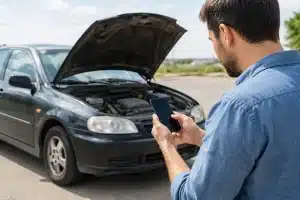
A written-off car can become a problem fast: it may be sitting on your driveway, taking up space, uninsured, or too damaged to move. The good news is that learning how to sell a written off car is usually more straightforward than trying to repair it or find a private buyer. The key is confirming who owns it, understanding its write-off status, and choosing a buyer that can collect it and deal with disposal correctly.
For owners in London, Essex, and surrounding areas, a professional vehicle-buying service can remove much of the work. You should not need to arrange a tow truck, negotiate with unreliable buyers, or wonder what happens to the paperwork after the car leaves.
How to Sell a Written Off Car: Start With Its Status
Not every written-off vehicle is the same. An insurer may declare a car a total loss because repair costs are too high compared with its market value, even where the damage is repairable. In the UK, cars are commonly assigned categories that indicate the extent of the damage and what may happen next.
Category A vehicles have suffered severe damage and must be crushed. Category B vehicles cannot return to the road, although some components may be recovered by authorized operators. Category S vehicles have sustained structural damage but can be repaired and returned to the road if repaired properly. Category N vehicles have non-structural damage and may also be repaired.
This classification affects who can buy the vehicle, how it can be handled, and what it may be worth. A Category S or N car with light damage may attract interest as a repair project. A Category A or B vehicle needs to go through the appropriate licensed route. Do not assume that because a car starts or looks presentable, it can be sold and driven away legally.
Confirm That You Own the Vehicle
Before you agree to sell, check whether your insurance company has already paid your claim and taken ownership of the vehicle. If the insurer has kept the car as part of the settlement, it is no longer yours to sell. Trying to arrange collection in that situation creates avoidable complications.
If you have retained the vehicle, make sure you have clear documentation showing that you are entitled to dispose of it. Keep your registration document, insurance correspondence, and any write-off information available. A reputable buyer will ask for the vehicle registration, make, model, condition, and location before providing a firm quote.
Be accurate when describing the damage. Mention collision damage, flood damage, missing wheels, engine faults, deployed airbags, or whether the vehicle is a non-runner. Clear information helps the buyer price the vehicle fairly and arrive with the right equipment for collection.
Know What Affects the Offer
A written-off vehicle still has value, but the amount depends on more than its age or mileage. Weight, model, condition, location, damage category, and whether it can be moved all affect the quote. A complete vehicle is generally simpler to collect and process than one with major items removed or significant fire or flood damage.
If the car is repairable, compare the likely repair bill with its realistic value after repair. Include inspection costs, replacement materials, labor, transport, and the fact that a recorded write-off can reduce future resale value. A cheap repair on paper can become expensive once hidden damage is found.
Selling for licensed recycling is often the more sensible route when repairs are uncertain, the vehicle has failed its MOT badly, or it has been off the road for a long time. It provides a defined outcome rather than spending weeks chasing a sale that may never happen.
Get a Clear Quote and Arrange Collection
The easiest route is to request a quote from a vehicle buyer that handles written-off and non-running cars. Give the registration number and an honest summary of the condition. If the vehicle is blocked in, has flat tires, or is parked in a restricted area, say so at the outset. It allows collection to be planned properly.
When comparing quotes, look beyond the headline figure. Ask whether collection is free, whether the quoted amount is fixed based on the information provided, how payment is made, and what paperwork is handled. An offer that drops unexpectedly when the driver arrives can turn a convenient sale into a frustrating one.
A straightforward sale should follow this pattern:
- You provide the vehicle details and receive a clear quote.
- You agree on a collection time that works for you.
- The collector verifies the vehicle and your identification.
- Payment is sent by secure bank transfer and the vehicle is removed.
- The transfer and disposal paperwork is completed correctly.
Scrap Car Kings provides this type of end-to-end service for damaged, unwanted, and end-of-life vehicles, including free collection and fast bank transfer payment. That matters when a written-off car cannot be driven or you simply need it gone without organizing separate transport.
Do Not Overlook the DVLA Paperwork
The physical collection is only one part of selling a written-off car. You also need to make sure the DVLA record is updated so you are no longer responsible for the vehicle. Leaving the car on your record can lead to problems if it receives parking penalties, tax reminders, or other notices after collection.
The precise process depends on whether the vehicle is being transferred, retained for repair, or sent for disposal. Complete the relevant DVLA notification promptly and keep confirmation of the change. If the vehicle is being destroyed, an Authorized Treatment Facility can issue a Certificate of Destruction for eligible vehicles. This is valuable proof that the vehicle has been processed through the correct channel.
Do not hand over a car without confirming the buyer’s identity, business details, and disposal arrangements. Professional operators should be able to explain what happens next rather than giving vague assurances. Keep copies of your quote, payment confirmation, and any transfer documents until you know the record has been updated.
Avoid the Common Mistakes That Delay a Sale
The biggest mistake is accepting a price before confirming the buyer will collect a non-running or heavily damaged vehicle. A car with accident damage may require specialist loading equipment, and a buyer who has not been told about the condition may try to renegotiate at pickup.
Another common issue is removing items before requesting a quote. This can change the vehicle’s value and may cause disagreement if the buyer expects it to be complete. If anything has been removed or the car has been partially dismantled, state this clearly before accepting an offer.
Finally, do not leave the insurance and tax side until later. Contact your insurer if necessary, cancel or amend the policy once the sale is complete, and check whether you may be due a refund for unused vehicle tax. These small steps prevent the written-off car from continuing to cost you money after it has left your property.
Should You Repair It or Sell It?
It depends on the category of damage, the age of the vehicle, and the quality of the proposed repair. A newer Category N car with minor cosmetic or electrical damage may be worth repairing if a qualified professional can provide a realistic estimate. A vehicle with structural damage, repeated mechanical faults, or water damage carries more risk and may be better sold as it stands.
Be honest about your goal. If you need reliable transport quickly, a repair project may not be the right answer. Selling the car for a fair price, arranging free collection, and receiving secure payment can give you a clean break and let you focus on your replacement vehicle.
A written-off car does not have to remain an expensive inconvenience. With the right paperwork, an accurate description, and a licensed buyer, you can clear the space, protect yourself legally, and move on with confidence.