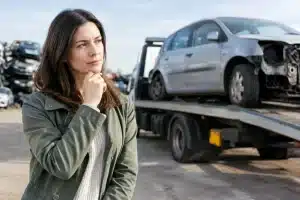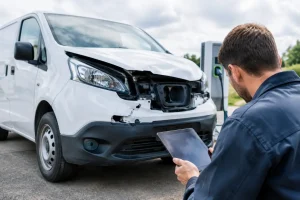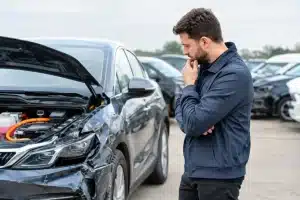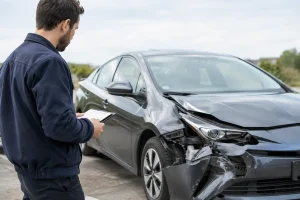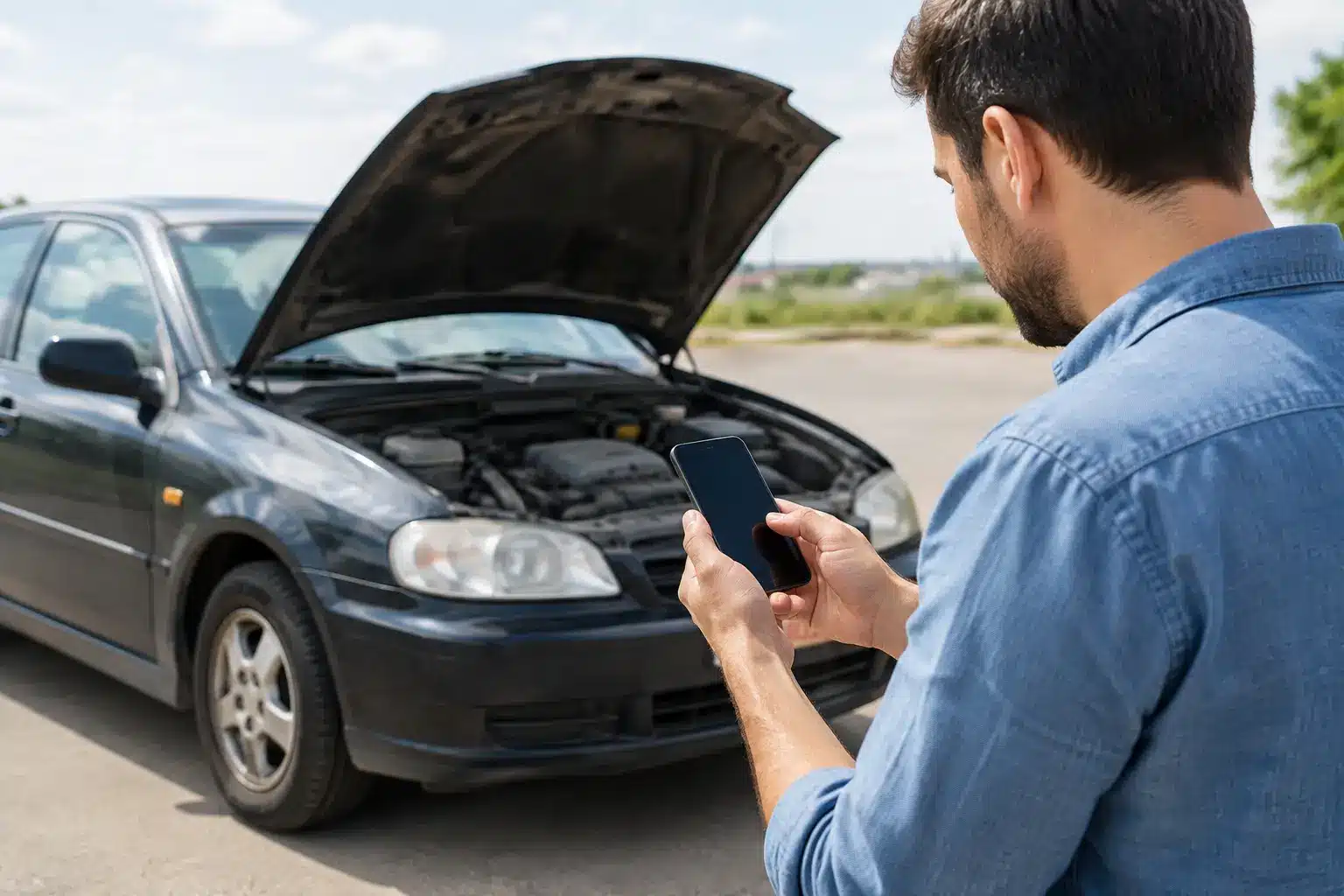
A car that will not start can become expensive surprisingly quickly. It may be blocking a driveway, failing another repair estimate, or sitting uninsured while you decide what to do next. When you need to sell a non running car, you do not need to arrange a tow, advertise it to uncertain buyers, or guess what paperwork matters. A professional vehicle buyer can quote, collect, pay, and handle compliant disposal in one straightforward process.
When selling a non-running car makes more sense than repairing it
A non-runner is not always at the end of its life. A flat battery, failed starter motor, or minor fuel-system issue may be worth repairing if the vehicle is otherwise reliable and has a strong resale value. But the calculation changes when the repair bill is uncertain, the car has failed its MOT on multiple points, or it has already been off the road for months.
Be realistic about the total cost, not just the first diagnosis. Recovery, labor, replacement parts, an overdue MOT, tires, and a second fault can turn an apparently simple repair into an open-ended expense. If the vehicle is older, damaged, flood-affected, or an insurance write-off, selling it as it stands is often the cleaner decision.
Private sales can work for a desirable vehicle with a clear, affordable fault. They are less attractive when the car cannot be test-driven, needs collecting on a trailer, or may be worth recycling rather than returning to the road. You can spend weeks answering messages only to find that buyers expect a large discount or fail to show up.
How the value of a non-running vehicle is worked out
The price offered for a non-running vehicle depends on more than whether the engine starts. Its make, model, age, mileage, weight, overall condition, location, and current market rates all affect the quote. A complete vehicle with its wheels, battery, catalytic converter, and major components still in place will normally be valued differently from one that is incomplete or heavily damaged.
Honesty is the quickest route to an accurate offer. Explain whether the vehicle cranks but will not fire, has been involved in an accident, has water damage, has an MOT failure, or has simply been parked for a long period. If you know the issue, say so. If you do not, that is fine too – describe what happened when it was last driven.
Photos can help confirm the condition before collection, particularly where there is visible body damage. Also mention access issues early. A car parked on a narrow street, in an underground garage, behind a locked gate, or with wheels missing may require a different collection arrangement. Clear information avoids last-minute surprises and helps keep the agreed price fair.
Do not confuse a high repair estimate with a high sale value
A garage estimate reflects the cost to diagnose and repair your car to a roadworthy standard. It does not automatically translate into its resale value in its current condition. Equally, a low offer from an unverified buyer may ignore the cost and responsibility of legal disposal. The right offer should be transparent, based on the details you provide, and confirmed before collection.
What to do before you sell a non running car
You do not need to repair or clean the vehicle before selling it. In fact, paying for work simply to make a sale can defeat the purpose. There are, however, a few sensible jobs that protect you and make collection smoother.
First, remove personal belongings from the cabin, glove compartment, trunk, door pockets, and under-seat storage. Check for paperwork, parking permits, personal documents, toll tags, and removable accessories you intend to keep. If the vehicle has a personalized registration, arrange to retain it before disposal if you want to use it again.
Next, have the registration number ready, along with the make, model, and postcode. If you have the V5C registration certificate, keep it available for the handover. A missing V5C does not always prevent a sale, but you should tell the buyer upfront so they can explain the correct process.
Finally, do not try to drive an unsafe or unroadworthy vehicle to a collection point. Free collection is designed to remove that problem. A properly equipped collection vehicle can collect from your home, workplace, garage, or another agreed location, subject to access.
What a professional collection should look like
A dependable service does not make you chase updates or negotiate at the curb. After you accept a quote, you should receive a collection time or time window and know what to expect on the day. The collector checks that the vehicle matches the description, confirms the handover details, and loads it safely.
Payment should be agreed clearly and made by secure bank transfer. Make sure you can confirm the funds have arrived before the vehicle leaves, unless another payment arrangement has been confirmed in writing. Keep a record of the collection, the buyer’s details, and any receipt or confirmation provided.
For owners in London, Essex, and surrounding areas, free collection can be particularly useful when a non-runner is parked on a busy residential street or has been left at a repair garage. It removes the cost and inconvenience of arranging separate recovery.
Paperwork and legal disposal: the details that protect you
The paperwork is not an afterthought. It is how you show that the vehicle has left your responsibility. A legitimate operator should explain how the V5C transfer is handled and what you need to do to notify the DVLA. Do not rely on a verbal promise that someone else will sort it later.
Where a vehicle is being permanently taken off the road for recycling, it should be processed through an authorized treatment facility. This ensures hazardous fluids and materials are handled correctly and that the vehicle is disposed of through the proper route. You may receive a Certificate of Destruction when applicable.
Notify the DVLA promptly once the vehicle has been transferred or disposed of, following the process that applies to your situation. Keep your confirmation. This matters because parking notices, tax queries, and other correspondence can still come to the registered keeper if the records have not been updated.
If you have remaining vehicle tax, updating the DVLA record may also trigger any refund due under the relevant rules. Check your insurance policy as well. Once the car has been collected and ownership responsibilities are complete, contact your insurer to cancel or amend the cover.
Questions to ask before accepting an offer
A quick quote is useful only if the service behind it is clear. Ask whether collection is genuinely free, whether the quoted amount is conditional on the vehicle being complete, how payment is made, and what documents you will receive. If your vehicle is inaccessible, badly damaged, or missing keys, ask whether that changes the collection plan or price.
Be cautious with anyone who will not identify the business collecting your car, pressures you to hand over the vehicle before payment, or cannot explain the disposal process. Convenience should not mean losing control of the transaction.
Scrap Car Kings keeps the process focused on what matters: a clear quote, free collection, secure payment, and compliant handling from collection through to the required paperwork.
A non-running car does not need to remain a problem on your property while repair costs mount. Give an accurate description, choose a professional buyer, keep your handover records, and let collection turn an unwanted vehicle into a resolved job.