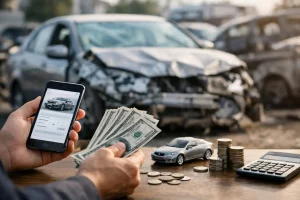
A failed MOT, accident damage, or an engine that will not start can turn a car into an expensive problem quickly. For car scrapping Rayleigh – 07944 495 495, Scrap Car Kings offers a straightforward way to turn an unwanted vehicle into payment, with free collection and compliant disposal handled for you.
You do not need to arrange a tow, wait around for unreliable private buyers, or guess what paperwork applies. Share a few accurate details about the vehicle, receive a clear quote, choose a collection time, and get paid by bank transfer once collection is completed. It is designed for Rayleigh drivers who need a practical answer, not another item on their to-do list.
When scrapping your car makes more sense than selling it
Private sale can work well for a roadworthy car with a current MOT, reasonable condition, and enough value to justify advertising it. But it becomes far less appealing when the car has major mechanical faults, serious body damage, a failed inspection, or has been sitting unused for months.
A repair estimate can be the deciding factor. If a vehicle needs extensive work to pass its next MOT, the cost may be more than its realistic resale value. The same applies to insurance write-offs, flood-damaged vehicles, cars with missing keys, and non-runners that cannot be driven to a buyer.
Scrapping is not always just about age. A newer vehicle can be the right candidate if the damage is severe, while an older car may still be worth selling if it runs well and has a valid MOT. The key is to be realistic about its condition, the effort needed to sell it, and the cost of keeping it insured, taxed, stored, or repaired.
What determines a scrap car quote in Rayleigh?
No legitimate service should quote the same amount for every vehicle. Scrap values move with market conditions, and the offer depends on the vehicle itself. The make, model, age, weight, condition, location, and whether it can be collected easily can all affect the price.
A complete car generally has a different value from one that has suffered fire or flood damage. A vehicle that rolls freely and is accessible from the road is usually simpler to collect than one blocked in on private land. That does not mean difficult collections cannot be arranged. It simply means it is best to explain the situation clearly at the quote stage.
Be accurate when providing your registration number, vehicle condition, and collection address. Let the buyer know if the vehicle does not start, has flat tires, has accident damage, or is missing important items. Clear information helps avoid last-minute changes and allows the right collection equipment to be scheduled.
A fair quote should be clear from the start
The price offered should reflect the information you give. If the vehicle description matches what is collected, you should know where you stand before the truck arrives. Be cautious of vague estimates that suddenly drop on collection day without a genuine reason.
It is also worth confirming whether collection is included. A quoted amount can look attractive until a separate transport charge is introduced. Free collection makes the process easier to compare and removes the need for you to organize recovery.
How the collection process works
The process should be quick, but it should not be unclear. A professional vehicle collection follows a few simple stages, each designed to protect both the seller and the buyer.
First, request a quote with the registration, make and model, condition, and Rayleigh collection location. You can then discuss an available collection slot. Same-day collection may be possible depending on demand, the time of request, and access to the vehicle, but it is better to confirm availability than assume it.
Next, make sure you have the vehicle logbook, known as the V5C, if it is available. A missing V5C does not always prevent disposal, but it should be mentioned early so the correct process can be explained. Remove personal belongings from the glove box, trunk, door pockets, under-seat storage, and any phone or navigation system that contains saved data.
At collection, the vehicle details and condition are checked. Once everything matches the agreed description, payment is made by secure bank transfer. You should not be expected to hand over a vehicle without clarity on payment or the relevant disposal documentation.
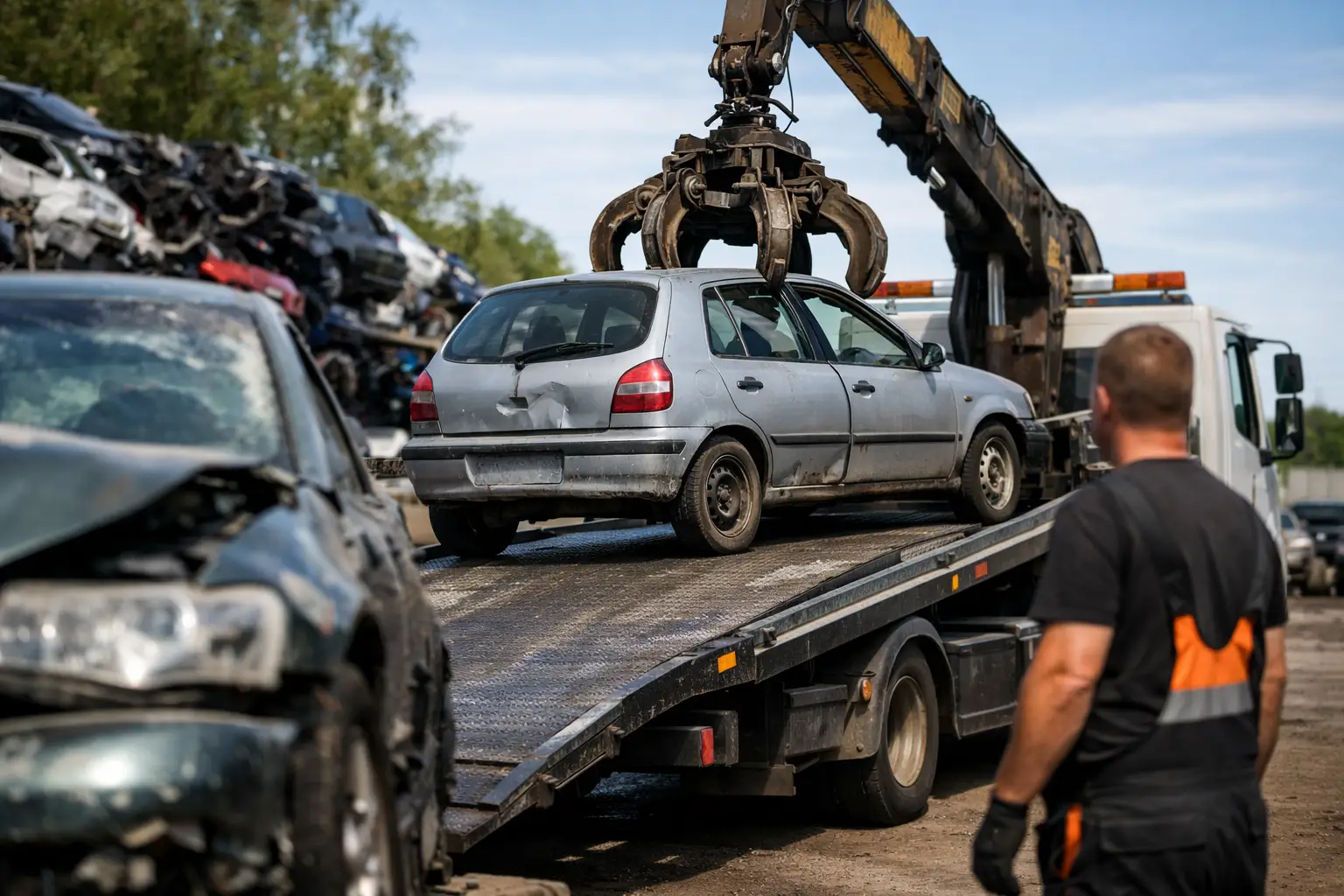
Finally, the vehicle is taken for treatment through the appropriate licensed route. This is where using a compliant service matters. An end-of-life vehicle needs to be handled responsibly, with fluids, batteries, tires, and materials managed in line with environmental requirements.
Paperwork and DVLA responsibilities
The administrative side worries many first-time sellers, especially when the car is no longer drivable. It does not need to be complicated, but it does need to be handled properly.
When disposing of a vehicle, the registered keeper must notify the DVLA that it has been transferred to an authorized treatment facility or relevant motor trader. This is normally done online using the details from the V5C. Keeping a record of the notification is sensible, as it helps show the date your responsibility for the vehicle ended.
A Certificate of Destruction may be issued for vehicles treated as end-of-life. This confirms that the vehicle has been disposed of through an authorized treatment facility and should not return to the road. Not every collection situation follows the exact same paperwork route, so ask what documentation applies to your vehicle and retain any records you receive.
Do not leave a vehicle parked on a public road while deciding what to do with it. If it is untaxed, uninsured, unsafe, or abandoned, it can create avoidable problems. Arranging collection promptly protects your driveway, your time, and your peace of mind.
Why licensed disposal is worth insisting on
The cheapest offer is not automatically the best choice. A vehicle is registered in your name until the transfer is properly completed, which means an informal handover can leave you exposed to future issues if records are not updated correctly.
Licensed disposal gives you a traceable process. It means the vehicle is handled by operators working within the required environmental and legal framework, rather than simply disappearing after pickup. That matters whether you are disposing of an old family car, a damaged van, or a vehicle written off by an insurer.
It also keeps the experience simple. Instead of coordinating a tow, negotiating with buyers, and trying to understand disposal rules alone, you have one point of contact for the quote, collection, payment, and paperwork guidance.
Preparing your vehicle for collection
Most cars can be collected with very little preparation. Remove your belongings, take out any parking permits or documents you want to keep, and make sure the collector can access the vehicle safely. If it is on a driveway, move other vehicles if possible and let the team know about tight gates, steep access, or parking restrictions.
Keep the keys ready if you have them, even if the car does not start. If you have two sets, hand over the one you are comfortable providing and retain any personal key rings. It is also sensible to photograph the vehicle before collection for your own records.
If the vehicle has a private registration plate you want to keep, arrange to retain it before disposal. Once the vehicle has been processed, recovering a plate can be difficult or impossible. This is one area where acting early makes a real difference.
Get your unwanted vehicle moved without the hassle
Whether your car is an MOT failure, a non-runner, accident damaged, or simply no longer worth keeping, the right collection service turns a difficult job into a short, managed transaction. A fair quote, free collection, secure payment, and proper disposal are the basics you should expect.
For Rayleigh vehicle owners, one clear call can be the first step toward clearing the space and closing the book on a car that has become more trouble than it is worth. Call 07944 495 495 with your vehicle details, and arrange a collection that fits your schedule.