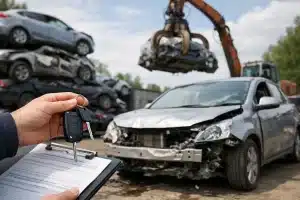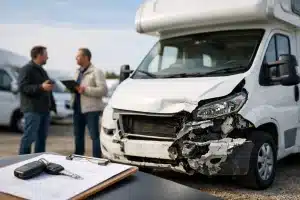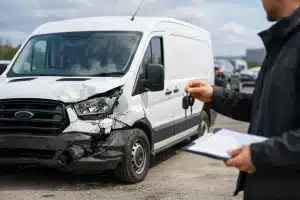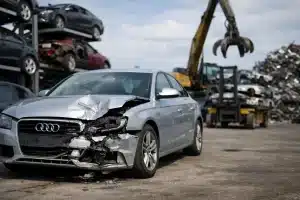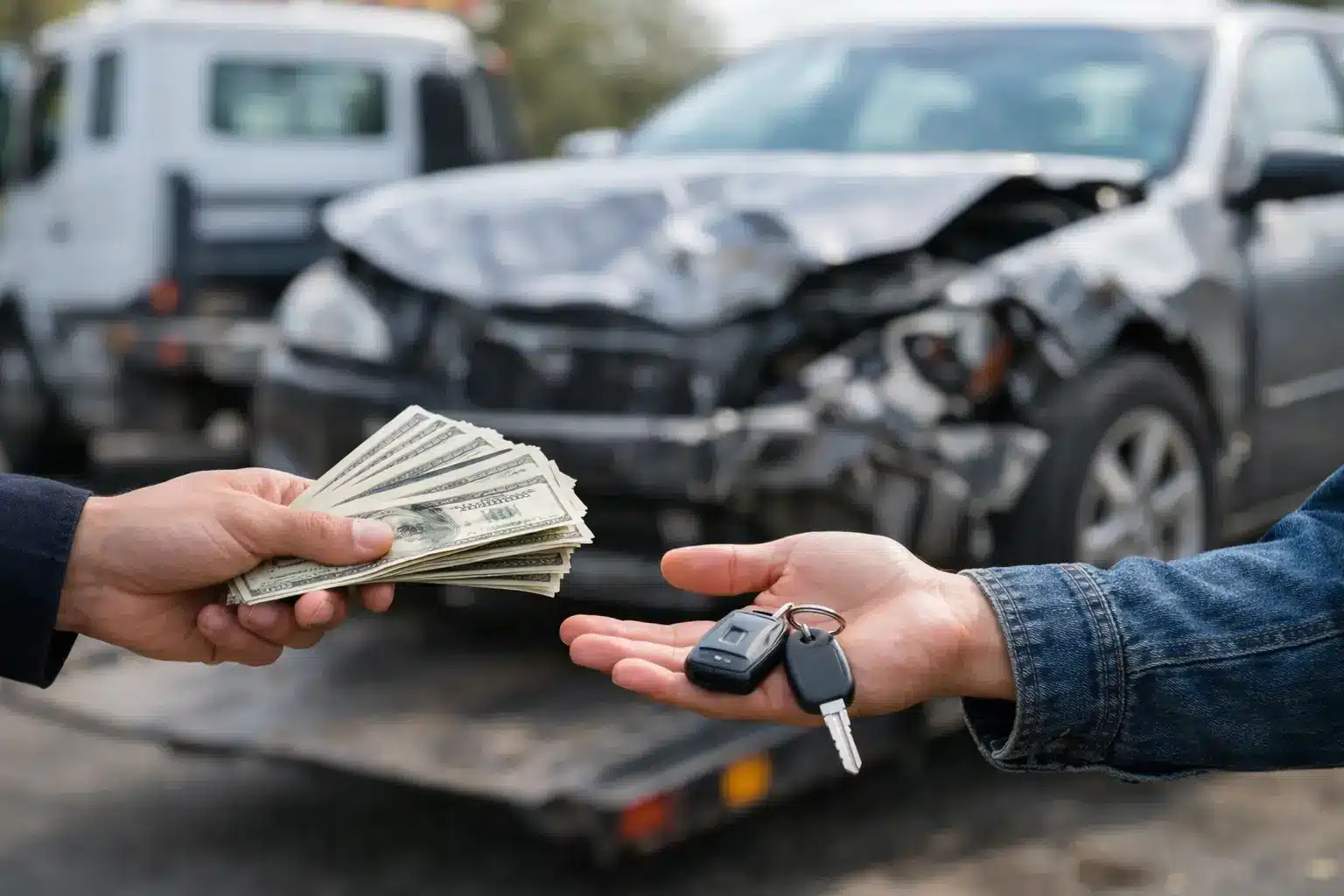
A failed MOT, a dead battery that is not worth replacing, or accident damage can turn a once-useful vehicle into an expensive problem sitting outside your home. So, how much does cash for junk cars pay? There is no single figure, but a fair offer is based on the vehicle’s weight, make, condition, location, current metal market, and whether collection can be arranged efficiently.
For many owners, the best value is not simply the highest number quoted. It is the amount you receive after collection, paperwork, and disposal are handled properly, without surprise charges or a buyer changing the price at your door.
How Much Does Cash for Junk Cars Pay?
Most unwanted vehicles are valued individually. A small, complete non-running car may bring a few hundred pounds, while a heavier van, SUV, or newer accident-damaged vehicle may be worth more. A vehicle with significant fire, flood, or collision damage can still have value, but its condition will affect the offer.
The quoted amount also moves with the market. Metal prices change, sometimes week to week, and licensed recycling operators adjust what they can pay accordingly. That is why an instant quote should be treated as a current valuation, not a permanent price you can expect months later.
Be cautious with unusually high headline offers that lack detail. Ask whether collection is included, whether the amount is guaranteed subject to an accurate description, and whether any deductions could be made on collection. A clear buyer will explain the basis of the quote before scheduling pickup.
“Cash” usually means a fast payout
People often use “cash for junk cars” as a general term for getting paid for an unwanted vehicle. In the UK, however, cash payments for scrap metal transactions are restricted by law. A compliant service should pay by secure bank transfer rather than handing over physical cash.
That protects both sides. You have a payment record, the transaction is traceable, and the disposal process is handled through the proper channels. Fast bank transfer can still mean payment on the day of collection, provided the vehicle and documents match the details used for the quote.
What Makes One Junk Car Worth More Than Another?
Weight is a major factor, but it is not the whole story. Larger vehicles generally contain more recoverable material, so a heavy van may attract a stronger offer than a compact hatchback in similar overall condition. Completeness matters as well. A vehicle that still has its major components and wheels will normally be easier to process than one that has been heavily stripped or is missing key items.
Age and demand can matter, particularly with vehicles that are damaged but not necessarily at the end of their useful life. A newer insurance write-off may be worth more than an older non-runner because its overall recovery value can be stronger. Conversely, serious corrosion, flood exposure, missing paperwork, or inaccessible location can reduce the offer or make collection more complicated.
Your location plays a practical role too. A vehicle on a driveway in London or Essex is generally simpler to collect than one trapped in a locked underground parking garage, on a narrow road, or with flat tires in a difficult-to-reach spot. Share these details upfront. Accurate information leads to an accurate quote and a smoother pickup.
How to Get an Accurate Quote for a Junk Car
The fastest way to avoid disappointment is to describe the vehicle honestly. Have the registration number, make, model, approximate age, and condition ready. Say whether it starts, whether it has accident or flood damage, and whether it is complete. If there are access issues, explain them before the collection is booked.
Photos can help where damage is substantial. They give the buyer a clearer picture of the vehicle and reduce the chance of confusion on arrival. You do not need professional photos – a few well-lit images showing the front, sides, rear, and obvious damage are usually enough.
It also helps to have your V5C registration document available. If you do not have it, tell the buyer at the quoting stage rather than waiting until collection. A reputable operator can explain what identification or additional steps may be needed, but missing documents can affect how quickly the transaction is completed.
Questions worth asking before you accept
Before agreeing to a collection, confirm the final quoted amount, whether pickup is free, and how payment will be made. Ask what happens if the vehicle is not exactly as described, too. There is a fair difference between correcting a quote after undisclosed major damage and inventing a last-minute deduction.
You should also ask how the vehicle’s disposal paperwork will be handled. For an end-of-life vehicle, licensed treatment and the correct documentation matter just as much as the payment. Keeping a clear record protects you after the vehicle has left your possession.
Free Collection Can Be Worth More Than a Higher Quote
A private sale may appear to offer more money, but it comes with time, risk, and effort. You may need to arrange transport for a non-runner, answer messages from unreliable buyers, negotiate repeatedly, and deal with people who arrive expecting a discount. If the car has failed its MOT or has major damage, those delays can quickly outweigh a slightly higher asking price.
A professional collection service simplifies the decision. The vehicle is picked up from your home, workplace, garage, or another agreed location. You receive the agreed payment by bank transfer, and the transfer and disposal process can be managed in one appointment.
For owners who need an unwanted car gone quickly, that convenience has real value. There is no need to pay for towing separately or leave a damaged vehicle taking up space while you wait for a private buyer.
Do Not Overlook the Paperwork
Price matters, but legal responsibility matters more. Until the ownership update is properly recorded, you could still receive parking notices, traffic penalties, or other correspondence connected to the vehicle. Make sure you know what you need to do after collection and retain any confirmation provided.
In England, the registered keeper should notify the DVLA when the vehicle is transferred. For vehicles being disposed of at the end of their life, a Certificate of Destruction may also apply where appropriate. A professional buyer should be able to explain the process plainly, without making you chase answers.
Scrap Car Kings focuses on the practical details that make disposal easier: a transparent quote, free collection, secure payment, and licensed handling from start to finish. The goal is not to make you become an expert in vehicle disposal. It is to give you a straightforward way to move on from a vehicle that has become a burden.
When Is the Right Time to Sell?
If repairs cost more than the vehicle is realistically worth, selling it now can prevent further expense. The same applies when insurance has declared it a write-off, it has been sitting unused for months, or it is no longer reliable enough to keep on the road. Waiting may not improve the value, especially if the vehicle deteriorates, loses tires, or becomes harder to access.
Request a current quote while you can provide accurate details and arrange a convenient collection time. A clear offer, free pickup, compliant paperwork, and prompt bank transfer can turn an unwanted vehicle from a lingering problem into one less thing to worry about.