A car that will not start can become a problem quickly. It may be blocking your driveway, failing its MOT, collecting damage after an accident, or costing more to repair than it is worth. Knowing how to scrap a non runner means you can turn that problem into a straightforward collection, payment, and legal disposal process without arranging a tow or dealing with unreliable private buyers.
For most owners, the sensible route is to get a quote from a licensed vehicle buyer, confirm the collection details, hand the vehicle over, and complete the required DVLA notification. The key is choosing a service that can collect a vehicle that does not drive and provides clear proof that it has been handled properly.
When is scrapping a non-running car the right choice?
A non-runner is not automatically worthless. Some vehicles have value because of their weight, make, model, age, condition, location, and current recycling demand. However, a vehicle can stop making financial sense to repair when the cost of getting it roadworthy is higher than its realistic resale value.
This often happens after a major engine, gearbox, clutch, electrical, or fuel-system fault. It can also apply to cars with severe corrosion, failed emissions tests, accident damage, flood damage, or multiple MOT failures. If the vehicle has been sitting for months and needs transport before anyone can inspect it, a quick sale for responsible recycling is often less stressful than trying to sell it privately.
There are exceptions. A newer or desirable vehicle with one identifiable fault may be worth repairing or selling as a repair project. Before deciding, consider the likely repair bill, whether the car can be moved, its current market value, and how much time you are prepared to spend finding a buyer. If the answer is not much, scrapping is usually the cleaner option.
How to scrap a non runner step by step
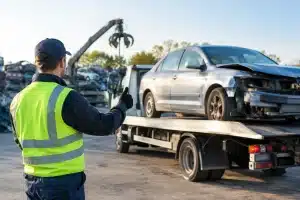
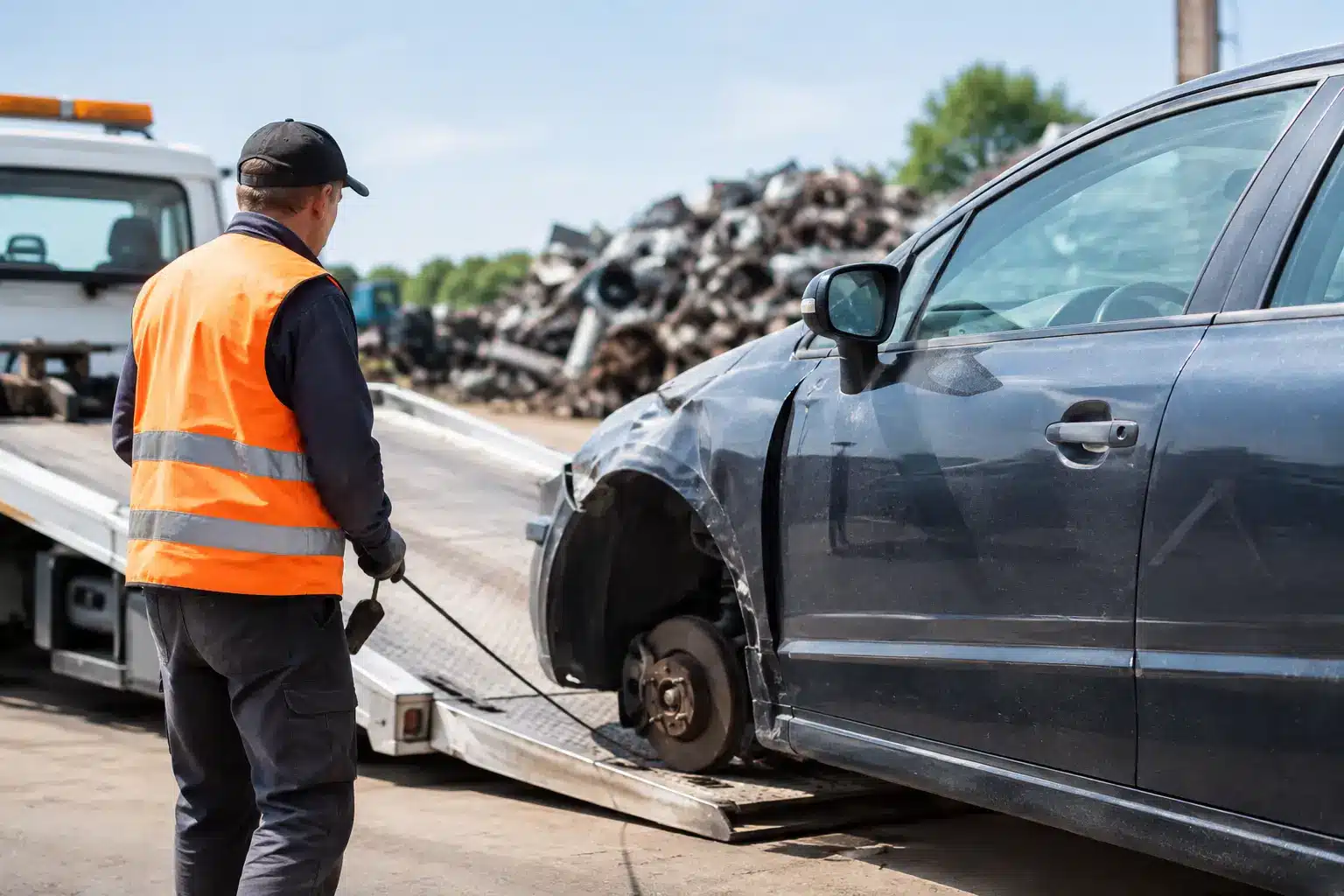
The process should be simple, even when the vehicle is immobile. A professional collection service will expect non-running cars and arrange the appropriate recovery equipment rather than asking you to make the car drivable first.
1. Gather the vehicle details for an accurate quote
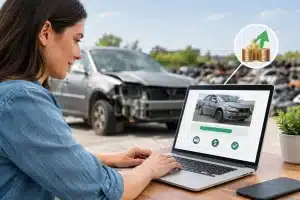
Start with the registration number, make, model, year, fuel type, and postcode. Be ready to describe the car honestly: does it start, roll, steer, have all four wheels, and have accessible keys? Mention accident damage, missing major components, flat tires, or whether it is parked in a tight space.
These details matter because collection is not the same for every vehicle. A car with a dead battery on a clear driveway is easier to collect than one with seized wheels in an underground parking garage. Giving the full picture upfront helps avoid delays and makes the quoted price more reliable.
If you have the V5C registration certificate, keep it ready. It makes the ownership transfer process easier, but do not assume a missing V5C means you cannot dispose of the vehicle. A legitimate buyer can explain what alternative identification and ownership checks are needed.
2. Check that collection and disposal are compliant
Do not hand a vehicle to an unknown collector simply because they offer the highest figure over the phone. You need confidence that the vehicle will be taken through a licensed route and that your obligations as the registered keeper will be clear.
Ask how the vehicle will be collected, when payment will be made, and what paperwork you will receive. A compliant service should be open about these points. For an end-of-life vehicle, disposal should be completed through an Authorized Treatment Facility. This helps ensure hazardous fluids and materials are handled correctly and that the vehicle is recycled responsibly.
You should also be cautious about anyone who will not provide business details, pressures you to decide immediately, or changes the price at collection without a genuine reason. A different price may be fair if the condition was described inaccurately, but it should be explained plainly before you agree to proceed.
3. Book a collection that works for an immobile vehicle
Once you accept a quote, arrange a collection time and confirm the exact location. Tell the collector about gates, parking restrictions, low clearances, narrow access, or a vehicle parked on the street. If it is on private land, make sure it can be accessed safely at the agreed time.
You do not need to pay for a tow or attempt a temporary repair just to move the car. Free collection is especially valuable with a non-runner because transport can otherwise become the most frustrating part of the job. In London, Essex, and nearby areas, quick collection can also prevent an unusable car from becoming a parking or neighborhood issue.
Remove personal belongings before the driver arrives. Check the glove box, center console, door pockets, trunk, under the seats, and any phone holders. Take out documents containing personal information, parking permits, toll tags, and any valuables. If your vehicle has a private registration plate that you want to keep, retain it through the proper DVLA process before disposal is completed.
4. Complete the handover and receive secure payment
At collection, the driver may check the vehicle details against the information provided and confirm your identity. This protects both sides of the transaction. Read any collection or purchase document before signing, particularly the vehicle registration number, agreed amount, date, and transfer details.
For scrap vehicles, payment should be made by a traceable method such as bank transfer. This gives you a clear record of the transaction and avoids the uncertainty of cash handling. Confirm when the transfer will be sent and check that the amount matches the agreed quote.
If the vehicle is being destroyed, you may receive a Certificate of Destruction from the Authorized Treatment Facility. Keep it in a safe place. It is useful evidence that the vehicle has been taken out of use through the correct channel.
5. Notify DVLA promptly
The vehicle may be off your property, but you should still make sure the DVLA record is updated. As the registered keeper, notify DVLA online that the vehicle has been sold or transferred to the relevant business. Use the details on your V5C where available and keep confirmation of the notification.
This step matters. Until DVLA records are updated, notices relating to tax, enforcement, parking, or other responsibilities could still come to you. Notification also allows any remaining vehicle tax refund due to be processed in the normal way.
A reputable buyer will guide you through what is needed, but do not leave the notification to chance. Keep copies of your collection receipt, payment confirmation, and any Certificate of Destruction alongside the DVLA confirmation.
What affects the value of a non-runner?
The condition of the engine is only one part of the valuation. The vehicle’s weight, metal market conditions, catalytic converter, model, age, completeness, and ease of collection can all affect the offer. Vans, larger vehicles, and models with strong material demand may receive higher quotes than small, incomplete cars.
Location can matter too. A vehicle that is easy to load may cost less to collect than one that requires specialist recovery. This does not mean you should hide access issues. A transparent description gives you a better chance of receiving the price you were quoted.
It is also worth remembering that the best offer is not always the one with the largest number attached to it. Free collection, prompt bank transfer, paperwork support, and licensed disposal have real value when you want the vehicle gone without creating another problem.
Common mistakes to avoid
The most common mistake is waiting too long. A non-runner can deteriorate quickly while parked outside, especially if it has water ingress, broken windows, or flat tires. It may also attract complaints, parking penalties, or unwanted attention.
Another mistake is accepting an offer without confirming whether it includes collection. A quote that appears higher can become less attractive once transport or administrative charges are introduced. Get the full arrangement clear before booking.
Finally, do not forget the paperwork because the car no longer drives. A non-runner still has a registration record, and handling that record correctly protects you after collection. A dependable service such as Scrap Car Kings can make the process quick, but retaining your own confirmation is always good practice.
Once you have an accurate quote, a confirmed collection time, and a clear plan for DVLA notification, there is no need to let an unusable vehicle take up space any longer. The right collection service turns a non-runner into a completed job, with payment received and the legal details properly handled.