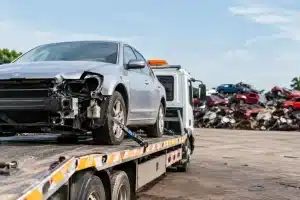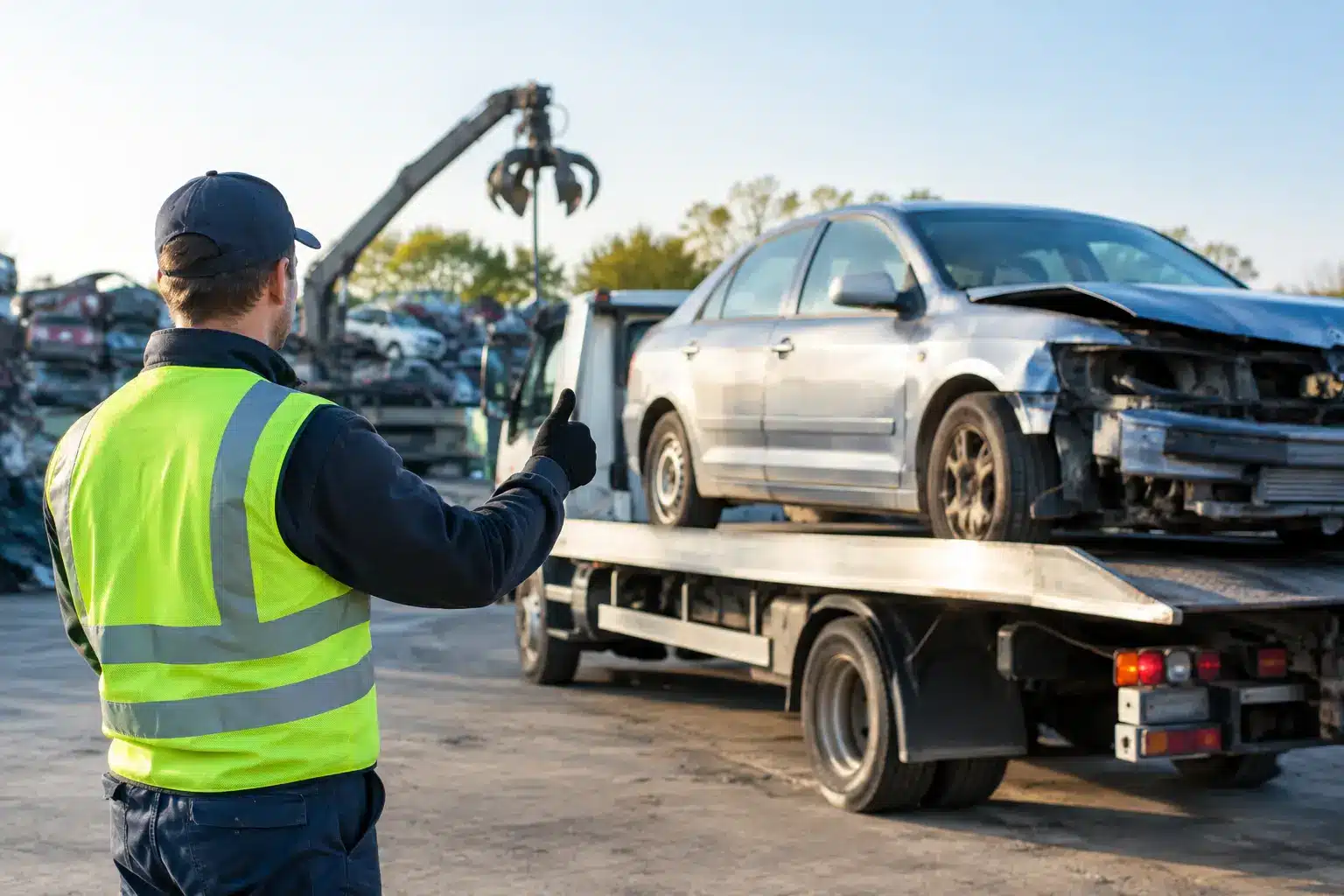
A car that will not start, has failed its MOT, or is costing more to repair than it is worth can become a problem quickly. Free scrap car collection removes the towing, buyer-hunting, and paperwork stress from the process. The right service collects the vehicle from your home, workplace, garage, or roadside location, pays the agreed amount by secure bank transfer, and makes sure it is sent for licensed treatment.
That does not mean every quote or collection offer is the same. A professional collection should be genuinely free, clearly explained, and backed by the right documentation. Before handing over the keys, it helps to know what affects the value of your vehicle, what information you need to provide, and how to protect yourself once it has left your driveway.
What Free Scrap Car Collection Should Include
Free collection means you should not be charged for the recovery vehicle to pick up an end-of-life, damaged, or non-running car as part of an agreed purchase. This is particularly useful when the car has no MOT, flat tires, mechanical faults, accident damage, or a dead battery and cannot be driven anywhere safely.
Collection is normally arranged for a convenient time after you accept a quote. The driver checks the vehicle details, confirms its condition, completes the handover, and loads it onto a recovery truck. Payment should be made by bank transfer, with no surprise recovery fee deducted at collection.
The key distinction is whether collection is included for your specific vehicle and location. A straightforward collection with safe access is usually simple. A vehicle parked in an underground garage, locked behind a barrier, missing wheels, or positioned where a recovery truck cannot reach may need extra planning. Explain these details upfront so the collection team arrives with the right equipment and the quote remains accurate.
How the Quote for a Scrap Vehicle Is Calculated
A scrap quote is not just a guess based on the age of the car. Its weight, make, model, location, completeness, and the current market for recycled materials can all affect the offer. A heavier vehicle may contain more recoverable material, while a complete car is generally worth more than one that has been heavily stripped or is missing major components.
The catalytic converter, wheels, battery, and whether the vehicle rolls can also affect its value and collection requirements. Damage does not automatically mean a low offer. A newer insurance write-off, flood-damaged vehicle, or non-runner may still have value beyond its basic material weight. This is why accurate information produces a fairer quotation.
When requesting a price, provide the registration number, make and model, pickup postcode, and a clear description of the condition. Mention missing components, accident damage, warning lights, and access restrictions. If the vehicle differs significantly from the information supplied, a reputable buyer will explain why the value needs to change rather than springing an unexplained reduction on you at the curb.
The Free Scrap Car Collection Process
The process should be quick, but it should never feel vague. A dependable service makes each stage clear from the first quote to the final paperwork.
Request an accurate quote
Start with your vehicle registration and location. You may also be asked whether the car starts, rolls, has its keys, and is complete. These questions are not unnecessary hurdles. They allow the buyer to assess the vehicle properly and arrange suitable recovery.
Once you receive a quote, check what it covers. Confirm that collection is free, ask whether the offered amount is subject to inspection, and make sure you understand the payment method. In England, payments for scrap vehicles should be made by traceable methods such as bank transfer, not cash.
Schedule pickup and prepare the car
Choose a collection time when you can be present or when an authorized person can hand over the vehicle. Remove your personal belongings thoroughly. Check the glove box, door pockets, trunk, under-seat storage, phone holders, and any paperwork folders. It is surprising how often house keys, parking permits, sunglasses, and documents are left behind.
Keep the keys ready and make sure the collection point is accessible. If the car is on private property, near a narrow road, or has been sitting for months with seized brakes, tell the collector in advance. A little preparation prevents a missed pickup or a delay.
Complete the handover properly
At collection, the driver should verify the vehicle and take it away using appropriate recovery equipment. Do not hand over the car solely on the basis of a text message or a vague promise that paperwork will follow later. Confirm who is collecting it and retain a record of the agreed transaction.
For end-of-life vehicles, licensed treatment is essential. The vehicle should go to an Authorized Treatment Facility, where hazardous fluids and materials are managed correctly and the vehicle is processed in line with environmental requirements. Scrap Car Kings works with licensed operators so collection, payment, and compliant disposal are handled as one clear service.
Documents and DVLA Responsibilities
Your V5C registration certificate is helpful because it confirms the vehicle details and registered keeper information. If you do not have it, you may still be able to sell the vehicle, but you should tell the buyer before collection. You will usually need photo identification and supporting information to show you are entitled to dispose of it.
The most important step is making sure DVLA records reflect that you are no longer responsible for the vehicle. Depending on the transaction, you may need to notify DVLA that the vehicle has been transferred to a motor trader or taken to an Authorized Treatment Facility. The process can often be completed online, and you should keep the confirmation.
If the vehicle is being destroyed, ask about the Certificate of Destruction. This document is issued in qualifying cases by an Authorized Treatment Facility and confirms the vehicle has been taken out of circulation. Not every vehicle transaction follows the same route, particularly if a damaged vehicle is being purchased for repair or further assessment, so ask what documentation applies to your situation.
Do not assume that giving someone the keys ends your responsibility. Until the transfer is recorded correctly, parking tickets, tax issues, or enforcement notices could still be directed to you. A professional buyer will explain the required steps and provide the information you need rather than leaving you to work it out afterward.
When Free Collection Is the Better Option
Private selling can make sense for a roadworthy car with a strong resale market, time on your side, and no urgent repair bills. For a failed MOT, non-runner, severely damaged vehicle, or car that has been sitting unused, arranging viewings and negotiating with uncertain buyers is often more trouble than it is worth.
Free collection is especially practical when towing would cost money, the vehicle cannot legally be driven, or you need it removed promptly from a driveway, repair shop, or parking space. It gives you a known price, a planned pickup, and a traceable route for payment and disposal.
Be cautious with offers that seem too good to be true. A high headline price followed by recovery charges, last-minute deductions, or pressure to sign documents is not a fair transaction. Compare the full service, not just the first number. The best option is the one that combines a competitive quote with free pickup, secure payment, and clear compliance support.
Questions Worth Asking Before You Book
Before confirming collection, ask whether the quote includes recovery, when payment will be sent, what happens if the vehicle condition differs from the description, and which paperwork you will receive. You should also confirm whether the business uses licensed treatment facilities and how DVLA notification will be handled.
These are practical questions, not complications. They show whether the company has a reliable process and whether it respects the fact that disposing of a vehicle is a legal handover, not simply a removal job.
A vehicle may have reached the end of its useful life for you, but the handover still deserves care. Choose a collector that gives you a clear price, arrives when promised, pays securely, and leaves you with confidence that the vehicle is no longer your problem.