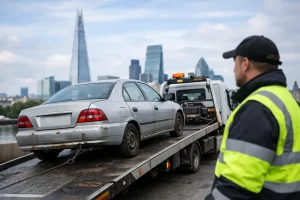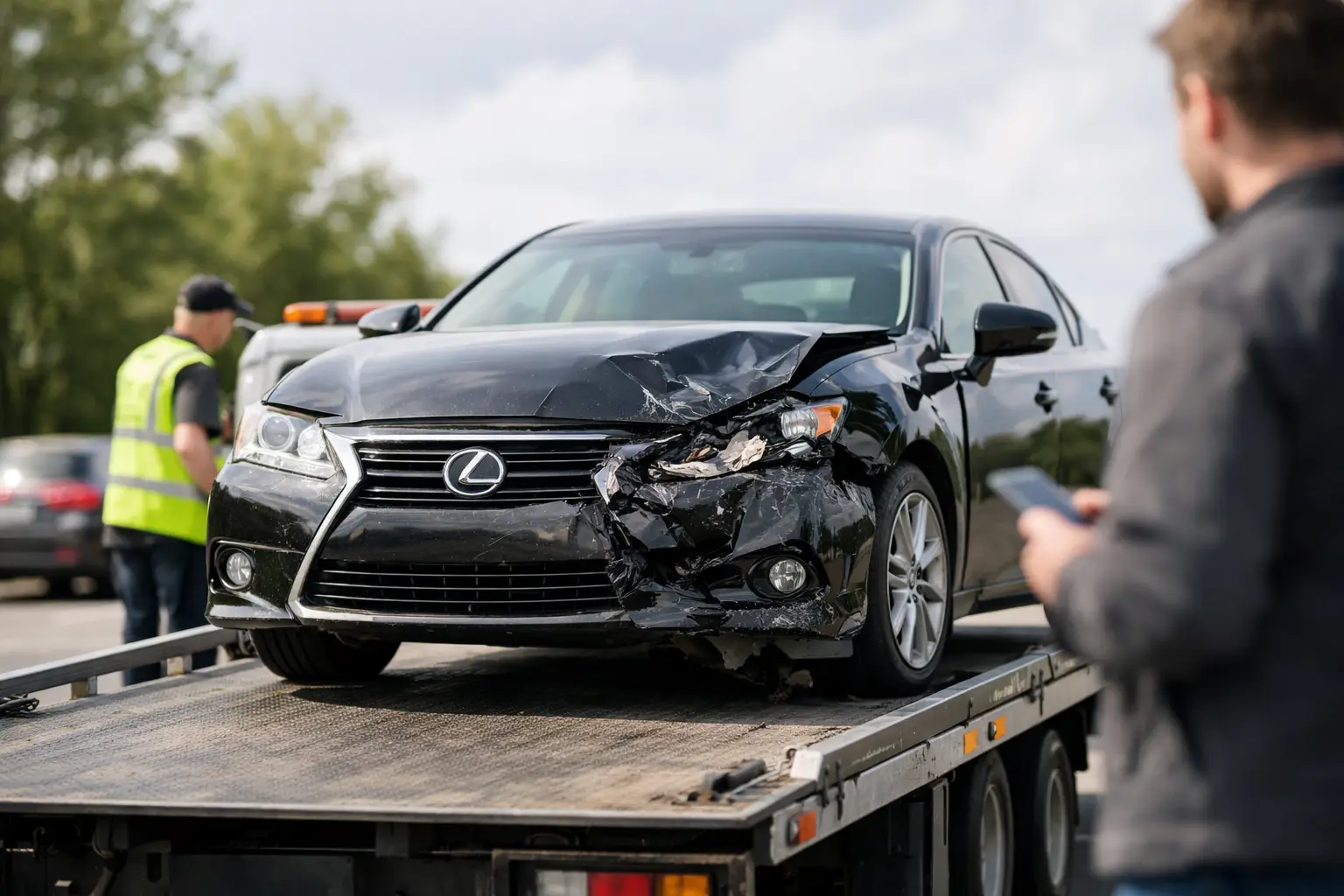
A broken Lexus can become expensive surprisingly quickly. A failed MOT, gearbox fault, hybrid battery warning, accident damage, or an engine that will not start can leave you paying for insurance, parking, and repairs on a car you no longer want. If you are asking, “where to sell my broken lexus – 07944 495 495,” the practical answer is a licensed vehicle buyer that can quote accurately, collect the vehicle, pay securely, and handle disposal correctly.
For many owners, a private sale is not worth the uncertainty. Buyers may expect a fully running car, negotiate heavily when they arrive, or simply fail to show up. Selling a damaged or non-running Lexus should be straightforward: describe the condition honestly, receive a clear offer, arrange collection, and make sure the right paperwork is completed.
Where to Sell My Broken Lexus – 07944 495 495
The right selling route depends on the Lexus’s age, model, condition, and whether repairing it makes financial sense. A newer Lexus with limited accident damage may still have value as a repairable vehicle. An older car with major mechanical problems, severe corrosion, flood damage, or repeated MOT failures is often better sold for recycling through an authorized operator.
A professional vehicle-buying service is usually the simplest choice when the car cannot be driven. You should not need to arrange a tow truck, advertise a vehicle for weeks, or deal with strangers at your home. A reliable buyer will collect from your address, confirm the agreed price before collection, and send payment by bank transfer once the vehicle has been received.
Scrap Car Kings buys broken, unwanted, accident-damaged, and end-of-life vehicles across London, Essex, and surrounding areas. The focus is on making a difficult disposal decision easy: a fast quote, free collection where agreed, secure payment, and compliant handling from start to finish.
What Affects the Value of a Broken Lexus?
Lexus vehicles are well regarded for build quality, but a serious fault can still make repair uneconomical. The value offered for your vehicle will not be based on one detail alone. It is normally assessed using the model, year, mileage, registration, overall condition, location, and current market values for recycled materials.
The type of damage matters. Cosmetic panel damage is very different from structural accident damage. A warning light may point to a minor sensor issue, while a hybrid-system alert can involve a more costly diagnosis. Likewise, a non-runner with a flat battery is not the same as one with a seized engine or transmission failure. Give an accurate description from the outset so the quote reflects the vehicle that needs collecting.
Lexus hybrid models need particular care. Their high-voltage systems must be handled by trained, authorized professionals. Do not attempt to dismantle or interfere with battery components yourself. A compliant collection and treatment process protects you, the people handling the vehicle, and the environment.
Repair It, Sell It Privately, or Dispose of It?
Before accepting an offer, consider whether a repair is genuinely worthwhile. Ask for a written repair estimate and compare it with the car’s realistic value once fixed. If the repair cost is close to or above that value, spending more money may only delay the inevitable.
A private sale can make sense for a Lexus that starts, drives, and has a clearly manageable fault. It may achieve more money, but it also requires time, honest advertising, viewings, insurance considerations, and patience. Be precise about faults and do not describe a vehicle as roadworthy if it is not.
For a car that is immobile, unsafe, written off, badly damaged, or simply not worth repairing, direct collection is usually the better route. You receive a straightforward valuation without the cost and hassle of moving the vehicle yourself. The trade-off is that you are selling for its end-of-life value rather than retail value, but the process is faster and far less uncertain.
How to Get a Fair Quote for Your Lexus
You can help secure an accurate quote by having a few details ready. The registration number allows the buyer to identify the basic vehicle specification. You should also state whether the car starts, whether it rolls freely, the nature of any damage, and whether you have the vehicle registration document available.
Photos can be useful where there is visible accident or body damage, although they do not replace a clear description. Mention missing wheels, a locked steering wheel, flat tires, inaccessible parking, or a vehicle stored in a garage. These details affect how collection is planned. A professional operator can often still collect a difficult non-runner, but it is best to agree on the circumstances in advance.
Be cautious of unusually high offers with vague terms. A fair quote should be clear about whether collection is included and whether the amount will change only if the vehicle was materially misdescribed. You should not be pressured into handing over your Lexus without knowing how and when payment will be made.
The Collection Process Should Be Simple
Once you accept a quote, agree on a collection time that works for you. Remove personal belongings before the driver arrives. Check the glove box, door pockets, trunk, under-seat storage, and any phone or navigation settings that may contain personal information. If possible, delete saved contacts and reset connected services.
Have identification and your vehicle documents ready if available. Do not worry if you cannot find every piece of paperwork – explain this when requesting the quote. The collection team can tell you what is needed for your situation and what steps you should take next.
At collection, confirm the vehicle details and agreed payment process. Secure bank transfer is the normal method for this type of transaction. Avoid cash arrangements that leave no reliable record, and do not release the car until you are comfortable that the buyer is legitimate and the paperwork is being handled properly.
Keep Your DVLA Responsibilities Clear
Selling a broken car does not automatically end your responsibilities as the registered keeper. You need to notify DVLA that the vehicle has been transferred or disposed of, using the appropriate process for the transaction. Keeping a record of the collection date, buyer details, and confirmation of notification can prevent trouble later if tax, fines, or enforcement notices are linked to the vehicle.
For an end-of-life vehicle, compliant treatment is equally important. The vehicle should go through an authorized treatment facility process, with the relevant documentation provided when required. This confirms that it has been handled legally rather than abandoned or passed into an unclear chain of ownership.
A reputable buyer will explain the paperwork in plain language. That reassurance matters, especially if your Lexus has been sitting unused for months and you simply want it gone without creating another problem.
When Fast Collection Makes the Most Sense
Fast collection is particularly useful after an MOT failure, an accident, a major mechanical diagnosis, or a breakdown that leaves the vehicle stranded at home. It can also help when a lease has ended, a replacement car has arrived, or a family member’s vehicle needs to be dealt with promptly.
There is no benefit in leaving a broken Lexus to deteriorate on a driveway or road while repair costs rise and its condition worsens. Get an honest valuation, ask the practical questions before agreeing, and choose a buyer that treats collection, payment, and compliance as one properly managed service. That is the quickest way to turn an unwanted Lexus into a resolved problem rather than an ongoing one.