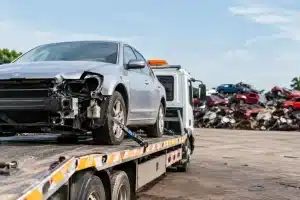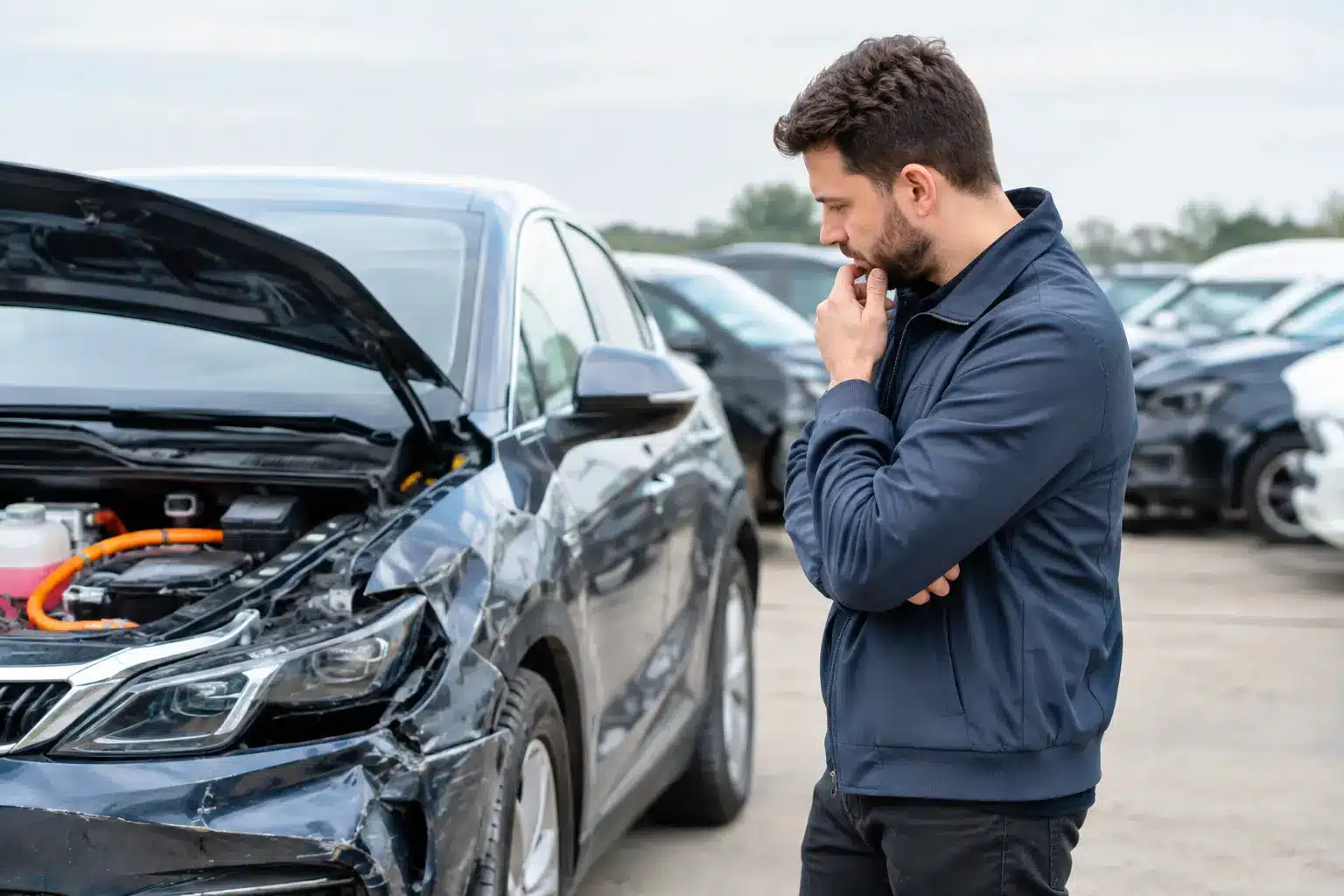
A failed battery, warning lights that will not clear, or damage after an accident can make an electric car feel impossible to move on. If you are asking who buys broken electric cars – 07944 495 495, the answer is a licensed vehicle buyer that understands EV collection, battery safety, and the paperwork required to take the vehicle off your hands properly.
A broken EV still has value. The amount depends on its age, model, condition, battery status, and whether it can be collected safely, but a non-runner is not automatically worthless. The key is choosing a buyer that gives you a clear quote, collects the vehicle without adding towing headaches, and handles disposal through the correct licensed route.
Who buys broken electric cars?
Specialist vehicle buyers purchase electric cars that are damaged, non-running, written off by insurers, failed their MOT, have charging faults, or have reached the end of their usable life. A professional buyer assesses the whole vehicle rather than assuming that a fault means there is no value left.
At Scrap Car Kings, the process is designed for owners who do not want to arrange transport, deal with uncertain private buyers, or guess what should happen to a high-voltage vehicle. You provide the key details, receive a quote, arrange free collection, and get paid by secure bank transfer once the agreed collection is completed.
This service can suit owners of battery-electric vehicles, plug-in hybrids, and hybrids. It can also help when the car has been sitting unused because a repair estimate is higher than you are comfortable paying.
Why broken EVs need a professional collection service
Electric cars are not handled in exactly the same way as older gasoline or diesel vehicles. Their high-voltage systems and battery packs require informed handling, especially where there has been collision damage, water exposure, visible battery damage, or an electrical fault.
That does not mean every faulty EV is dangerous. Many problems are ordinary mechanical, electronic, or charging issues. But it does mean the buyer should ask sensible questions before collection and use an appropriate collection plan. Be upfront about warning messages, accident damage, whether the vehicle starts, and any known battery concerns. Accurate details protect everyone and help prevent a quote changing at the curb.
A compliant operator will ensure the vehicle is passed into an authorized treatment route. This matters for environmental responsibility, but it also gives you confidence that your unwanted car is being dealt with properly rather than disappearing into an unclear chain of buyers.
What determines the value of a broken electric car?
There is no single price for a broken EV. Two cars with the same registration year can have very different values depending on their condition and collectability. A clear, honest description is the fastest route to an accurate quote.
The make, model, age, mileage, and overall condition all matter. So does the specific fault. A vehicle with cosmetic accident damage and a working battery may be assessed differently from one with a confirmed battery failure or serious flood damage. Whether the car has keys, documents, wheels fitted, and easy access for collection can also affect the offer.
Battery condition is naturally a major factor, but it is not the only one. Do not assume you need an expensive diagnostic report before requesting a quote. If you know the dashboard warnings, the last time the vehicle drove, whether it charges, and any repair advice you have received, share that information. If you are unsure, say so. Guesswork creates delays; straightforward information makes the process smoother.
Market demand can also move values. Some EVs retain worthwhile value even with faults, while others are valued mainly on weight, materials, and the cost of compliant treatment. A good buyer explains the offer clearly rather than promising an unrealistic number and reducing it later.
Free collection removes the hardest part
A non-running electric car is difficult to sell privately because the buyer must trust the fault description and arrange transport. It is also difficult for an owner to move when it is parked on a driveway, in a garage, at a repair shop, or on a residential street. That is where collection makes the difference.
When requesting a quote, give the collection location and explain access honestly. Mention low-clearance entrances, underground parking, locked wheels, missing keys, flat tires, or tight roads. These details do not automatically stop collection, but they allow the team to send the right equipment and avoid a wasted visit.
For owners across London, Essex, and nearby areas, a booked collection means you do not need to pay separately for recovery just to dispose of a vehicle that no longer works. If you need a quick turnaround after an MOT failure, insurance decision, or unexpected repair bill, ask about the earliest available collection slot.
The paperwork should be clear, not confusing
Selling an end-of-life or damaged car does not end when it leaves your address. You need a clear record of who has taken responsibility for it and confidence that the appropriate DVLA notification steps are completed.
Have your V5C registration document available if you have it, along with photo identification where requested. If paperwork is missing, do not assume the vehicle cannot be collected. Explain the situation when you request your quote so the buyer can tell you what is needed. The correct route depends on the circumstances, including whether the vehicle is registered in your name and whether an insurer is involved.
You should also remove personal belongings, clear saved addresses and account information from the infotainment system if possible, and take out any charging cables you want to keep. Keep a record of the collection and payment details. A professional service will not make you chase basic information after the vehicle has gone.
A simple way to sell a faulty EV
The process should be practical. Start by providing the registration number, make and model, postcode, and a short, honest account of the damage or fault. Include whether it runs, rolls, has keys, and is accessible for loading.
You then receive a valuation based on the information supplied. If the offer works for you, agree a collection time. Before the vehicle is loaded, confirm the agreed details and make sure payment arrangements are understood. Payment by bank transfer gives a clear record and avoids carrying large amounts of cash.
If a collector arrives and the vehicle is materially different from the description, the price may need to be reviewed. That is why transparency is worthwhile from the start. Small signs of wear are normal; undisclosed collision damage, missing wheels, or an inaccessible vehicle can change the collection requirements.
When selling is better than repairing
Repairing a broken electric car can be sensible when the fault is minor, the battery remains healthy, and the vehicle suits your needs. If the repair cost is predictable and reasonable compared with the car’s value, keeping it may be the better choice.
Selling is often the simpler option when repair quotes are high, the fault is uncertain, the vehicle has repeated electrical issues, or you need a reliable car without further delay. It can also make sense after significant accident or water damage, when the thought of arranging diagnostics, recovery, and further work has become more trouble than it is worth.
You do not need to make that decision alone at the side of the road or after an unexpected garage call. Get a realistic offer first, compare it with the repair estimate, and choose the option that gives you the most confidence.
If your electric car has stopped being useful, do not let it sit taking up space while costs and uncertainty build. Call 07944 495 495 with the vehicle details, be clear about its condition, and arrange a collection that leaves you with payment, proper paperwork, and one less problem to manage.