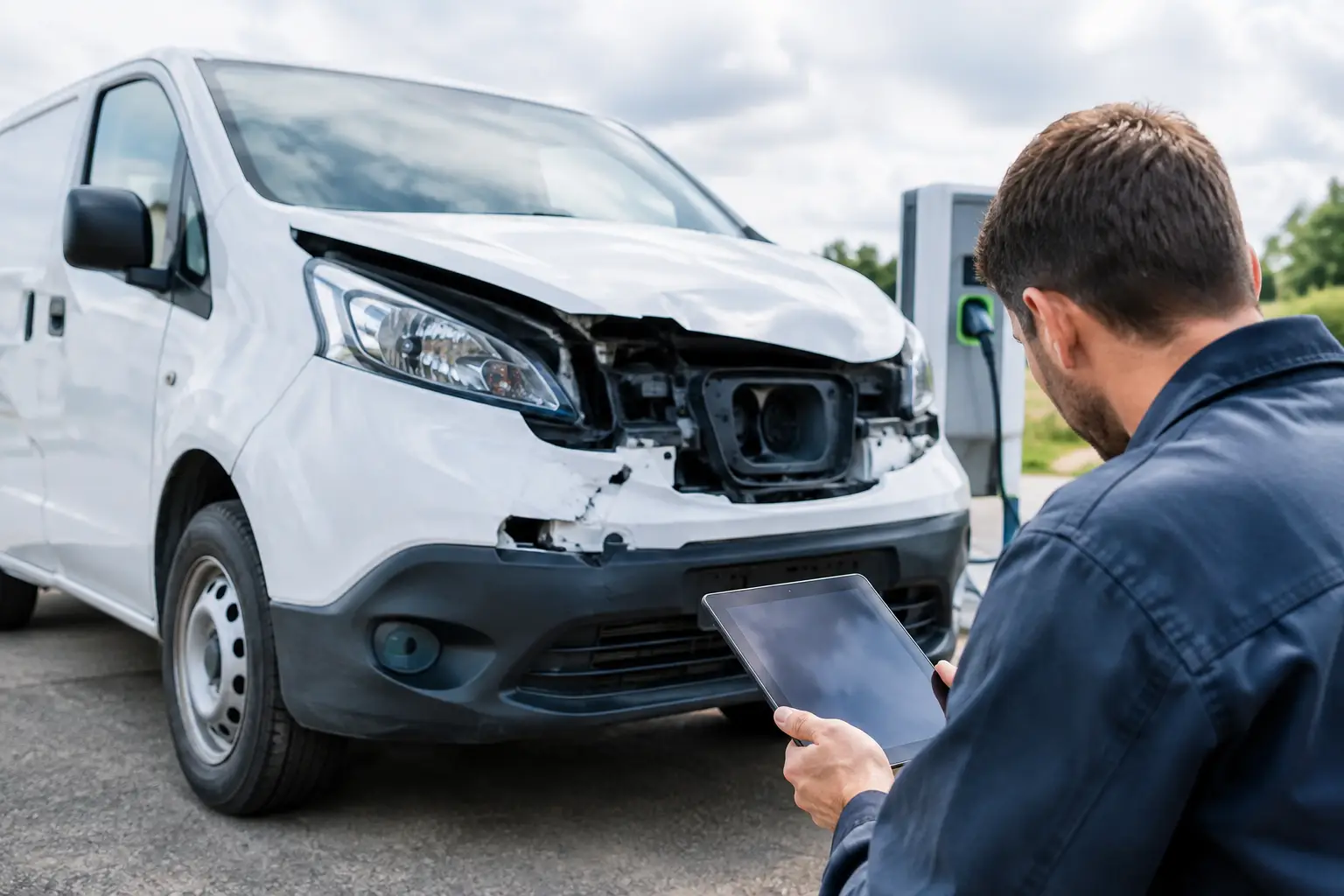
A broken electric van can become a problem quickly. It may be stranded on a driveway, unable to charge, showing battery warnings, or sitting after an accident with repair costs that no longer make sense. If you are searching who buys broken electric vans – 07944 495 495, the straightforward answer is a licensed vehicle buyer that understands non-running EVs, can arrange safe collection, and handles the disposal process properly.
At Scrap Car Kings, we buy unwanted, damaged, end-of-life, and non-running electric vans across London, Essex, and surrounding areas. You do not need to find a private buyer, arrange transport, or guess what to do with a high-voltage vehicle. Request a quote, agree a collection time, and receive secure payment once the vehicle has been collected.
Who buys broken electric vans?
Professional vehicle buyers purchase broken electric vans for recycling and compliant end-of-life processing. The van does not have to be drivable. A failed traction battery, charging fault, accident damage, electrical issue, flood damage, MOT failure, or major mechanical fault does not automatically mean it has no value.
The amount offered depends on the van’s make, model, age, condition, location, and current material values. Electric vans also need more careful assessment than conventional vehicles because their high-voltage systems and battery packs require appropriate handling. That is why choosing a buyer with a clear collection process and access to licensed treatment facilities matters.
A realistic quote should be based on honest details. Tell the buyer whether the vehicle starts, rolls, has its keys, has been in an accident, and has any known battery or charging faults. Clear information helps avoid last-minute changes and allows collection to be planned safely.
When selling is the sensible option
Some electric van faults are affordable to fix. Others can leave you spending more than the vehicle is worth. A charging-port issue or minor body damage may be repairable, but a severe battery fault, water damage, structural damage, or repeated electrical failure can make continued ownership expensive and uncertain.
Selling is often the practical choice when the van has failed its MOT with major work required, cannot be moved under its own power, has been declared an insurance write-off, or has been parked for months while you decide what to do. It can also make sense for businesses replacing older fleet vehicles and wanting a quick, documented way to clear them.
Private selling is possible, but it is rarely simple with a broken EV. Buyers may expect you to arrange towing, provide lengthy fault histories, or accept a much lower price after viewing it. A specialist vehicle-buying service removes much of that uncertainty by collecting the van from your location and paying by bank transfer.
What affects the value of a broken EV van?
There is no single price for every broken electric van. A late-model van with cosmetic damage is valued differently from an older non-runner with battery warnings and missing paperwork. The best way to get an accurate figure is to request a quote using the van’s registration and a clear description of its condition.
Several details commonly affect the offer:
- The make, model, year, and registration of the van
- Whether it starts, charges, rolls freely, and can be accessed
- Battery condition, dashboard warnings, and known electrical faults
- Accident, flood, fire, or structural damage
- Whether the keys and vehicle documents are available
- Your collection location and how easily the van can be recovered
Do not worry if you do not know the exact technical fault. Describe what happened in plain language. For example, explain that it stopped charging, displayed a battery warning, or was damaged in a collision. A professional buyer can use that information to assess the vehicle and arrange suitable collection equipment.
How collection of a broken electric van works
The process should be simple from the first call. Start by providing the registration, postcode, make and model, and an honest outline of the van’s condition. You receive a quote based on the details supplied. If you accept it, collection is booked at a time that works for you.
On collection day, make sure the vehicle is accessible if possible. Remove personal belongings, business equipment, parking permits, and any documents you need to keep. Have your identification and vehicle paperwork ready where available. If the van is blocked in, has flat tires, or is on private land with restricted access, mention this when arranging the pickup.
The collector verifies the vehicle and condition against the description, completes the required paperwork, and takes the van away. Payment should be made securely by bank transfer rather than through an informal arrangement. You should also receive confirmation that the vehicle has been transferred or processed correctly.
Why compliant disposal matters for electric vans
An electric van is not just another non-runner. Its battery and high-voltage equipment must be managed safely and responsibly. Improper handling can create safety and environmental risks, especially where a vehicle has been damaged, submerged, or involved in a fire.
Using licensed operators and Authorized Treatment Facilities gives you confidence that the vehicle is processed through the correct route. It also protects you from the avoidable problems that can arise when a vehicle is handed to an unverified buyer. The aim is not simply to remove the van from your property. It is to ensure ownership and disposal responsibilities are dealt with properly.
For registered vehicles, keep a record of the transaction and follow the relevant DVLA notification process. A reputable buyer will explain what is needed and provide the supporting documentation you should retain. This is particularly important if the van has been off the road, is an insurance loss, or belongs to a business.
Before you request a quote
You can speed up the process by checking a few practical details before you call. Find the registration, locate the keys, and take a quick look at the van’s overall condition. If it has visible damage, warning lights, or a charging issue, make a note of it. You do not need a mechanic’s report, but accuracy helps you receive a fairer quote.
If the van is leased, on finance, or owned by a company, confirm that you have authority to sell it before booking collection. Outstanding finance must be settled or handled with the finance provider first. For company-owned vans, the buyer may need proof that the person arranging the sale is authorized to do so.
It is also worth being cautious about unusually high offers that come with vague terms. Ask whether collection is free, when payment is made, and what paperwork is supplied. A clear answer at the beginning saves trouble later.
Get a fast answer for your broken electric van
Whether your electric van has a failed battery, accident damage, charging problems, or simply reached the end of its useful life, it can still be collected without the hassle of arranging your own transport. Call 07944 495 495 with the registration and condition details to request a quote and discuss a convenient collection time.
A broken van does not need to sit there becoming more difficult to move. With a fair quote, free collection, secure payment, and compliant handling, you can clear the space and move on with confidence.