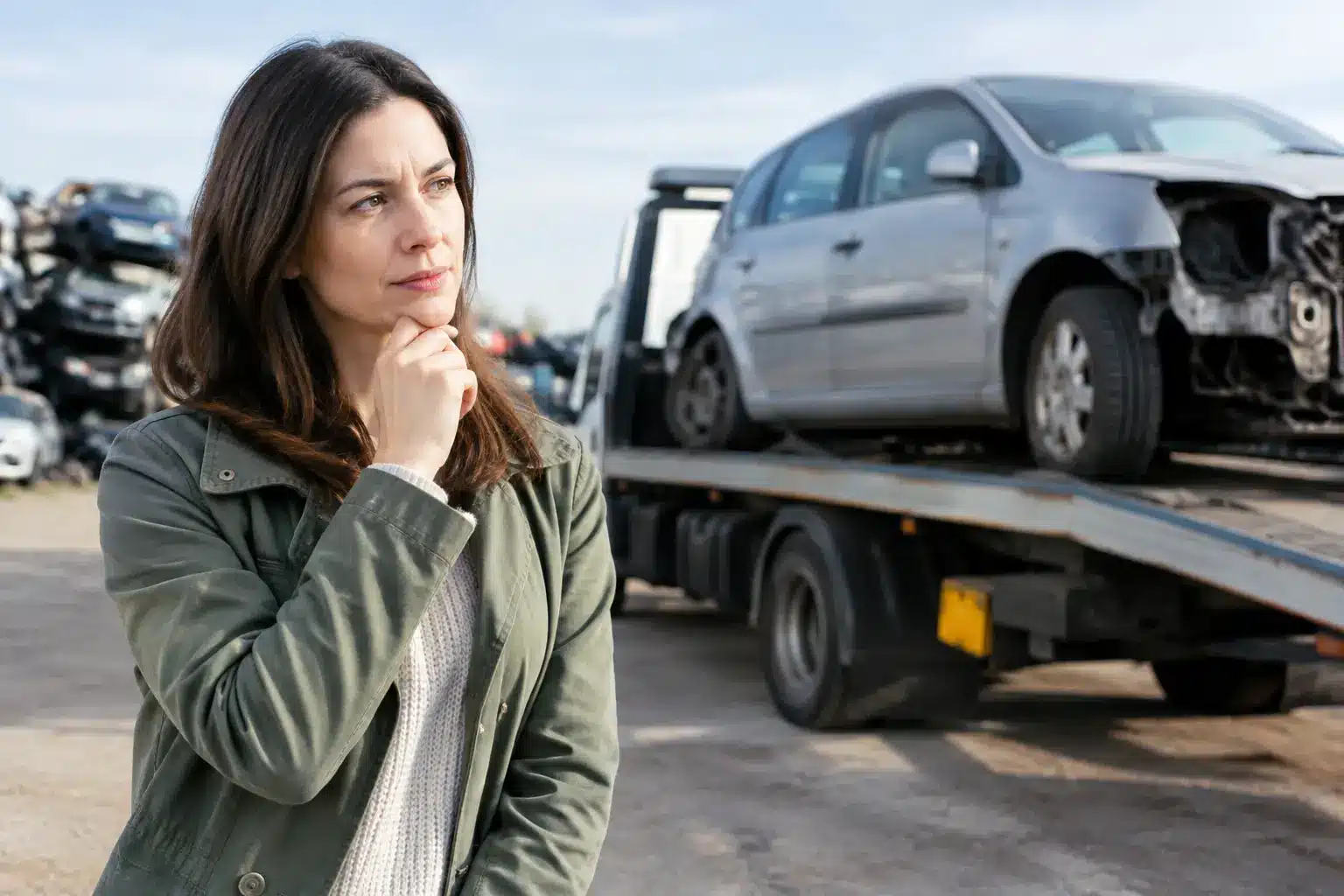
A car can be collected, paid for, and taken away in a matter of minutes. The administrative side still matters. Do I need to tell DVLA when scrapping my car? Yes. You need to make sure DVLA is told that you are no longer responsible for the vehicle, even when it is being collected for recycling by an authorized treatment facility.
Getting this right protects you from being linked to a vehicle after it leaves your driveway. It also helps stop unnecessary vehicle tax payments and gives you a clear record that you handled the disposal properly.
Do I Need to Tell DVLA When Scrapping My Car? Yes
When you hand a vehicle to an authorized treatment facility, DVLA needs to know that ownership or responsibility has changed. The facility has its own reporting duties, but you should not assume its paperwork replaces your responsibility to notify DVLA.
The simplest route is usually to use DVLA’s online service to tell them you have sold, transferred, or disposed of the vehicle through the motor trade. You will normally need the vehicle registration number, the 11-digit reference number from the V5C registration certificate, and the name of the business taking the vehicle.
Once DVLA accepts the update, keep the confirmation email or reference number. That record is useful if a question later arises about tax, penalties, parking notices, or the vehicle’s status.
If you cannot notify DVLA online, use the relevant section of your V5C. The exact section can vary between versions of the document, but it is the part for transferring a vehicle to the motor trade. Follow the instructions printed on the certificate and send the required section to DVLA. Do not rely on a verbal promise that someone else will do it for you.
What Happens When an Authorized Facility Takes Your Car?
A legitimate vehicle recycler should be able to confirm that it is authorized to accept and process end-of-life vehicles. When your car is accepted for destruction, the facility should issue a Certificate of Destruction, often called a CoD. This confirms that the vehicle has been accepted for disposal and will not return to the road.
The Certificate of Destruction is valuable evidence, but it serves a different purpose from updating DVLA about the transfer. Think of it as proof of the vehicle’s final treatment, while the DVLA notification records that you are no longer the registered keeper.
For most straightforward disposals, the process should look like this:
- Agree a price and collection time with an authorized vehicle buyer or treatment facility.
- Have the vehicle collected and receive payment by an agreed traceable method.
- Provide the V5C details needed to record the transfer, but keep a copy or photograph for your records.
- Notify DVLA promptly and save its confirmation.
- Keep your collection receipt and Certificate of Destruction when it arrives.
A professional service should explain each step clearly. Scrap Car Kings, for example, can arrange free collection and support customers through the paperwork, but the registered keeper should always check that the DVLA update has been completed.
Do Not Cancel Insurance Before Collection
It is tempting to cancel your insurance as soon as you book collection, especially if the car has failed its MOT, will not start, or is sitting unused. Wait until the vehicle has actually been collected and you have confirmation that it is no longer in your possession.
Until then, you remain responsible for it. A vehicle left on a road may still need insurance, tax, and a valid MOT where required. If it is kept off the public road, make sure its legal status is correct while you wait for collection.
After collection, contact your insurer to cancel or amend the policy. You may receive a refund for unused cover, depending on the policy terms. It is also sensible to remove the vehicle from any parking permits, resident schemes, or toll accounts connected to its registration number.
What About Vehicle Tax and a Refund?
Once DVLA has been notified that you have transferred or disposed of the vehicle, any full remaining months of vehicle tax are normally refunded automatically to the registered keeper. You do not usually need to submit a separate tax refund claim.
The refund is based on complete months left on the tax, not unused days. If you pay vehicle tax by Direct Debit, DVLA should stop future payments once the record is updated. Still, check your bank account afterward. If a payment is taken after the disposal has been processed, contact DVLA with your confirmation details.
This is one reason not to delay notification. Waiting several weeks can leave the vehicle showing in your name longer than necessary and may postpone any refund due.
If You Have Lost the V5C
You can still dispose of a vehicle if the V5C has been lost, but the process may need a little more care. Tell the buyer or authorized facility before collection. They may be able to accept the vehicle using other identification and vehicle details, although their requirements can differ.
You should still notify DVLA of the transfer using the available route. If the online service requires your V5C reference number and you do not have it, check DVLA’s current guidance before proceeding. Do not make up details or leave the vehicle with someone who cannot provide clear documentation simply because the logbook is missing.
A lost V5C can make an already stressful disposal feel more complicated, particularly with a non-running or accident-damaged car. The key is to use a properly authorized operator, obtain a collection receipt, and retain every record connected to the transaction.
Insurance Write-Offs, Non-Runners, and Damaged Vehicles
The answer changes slightly depending on who takes possession of the car. If an insurer has settled a total-loss claim and takes the vehicle, notify DVLA that it has been transferred to the insurer if that is what your insurer instructs. Do not report it as destroyed unless it has actually gone to an authorized treatment facility for destruction.
If you retain a written-off vehicle and later arrange disposal yourself, the normal scrapping process applies. The same is true for MOT failures, flood-damaged vehicles, cars with major mechanical faults, and vehicles that have been off the road for years.
A car does not need to run to be collected legally. But you should be wary of anyone who offers vague paperwork, will not identify their business, or asks you to leave the V5C entirely blank. A low-hassle collection should never mean losing your evidence trail.
Keep These Records After the Car Has Gone
Keep your DVLA confirmation, collection receipt, payment record, and Certificate of Destruction for at least several months. Taking a photo of the vehicle at collection, including its registration plate, can also be helpful.
These documents are unlikely to be needed, but they give you a straightforward answer if an unexpected letter arrives. Penalty notices and tax queries can take time to surface, particularly if a record has been updated late or incorrectly.
If you are arranging collection in London, Essex, or a nearby area, choose a provider that gives a firm collection record, explains the DVLA process before arrival, and pays in a secure, traceable way. A legitimate disposal should leave you with paperwork, not loose ends.
Before handing over the keys, take two minutes to check the V5C details, save the collector’s information, and plan your DVLA notification. That small step is what turns a quick car collection into a clean, properly documented end to your ownership.