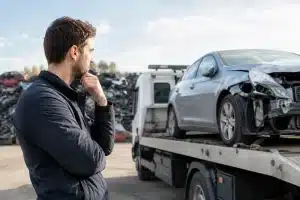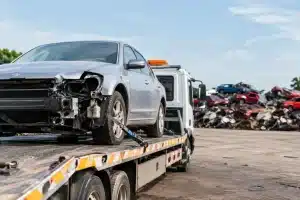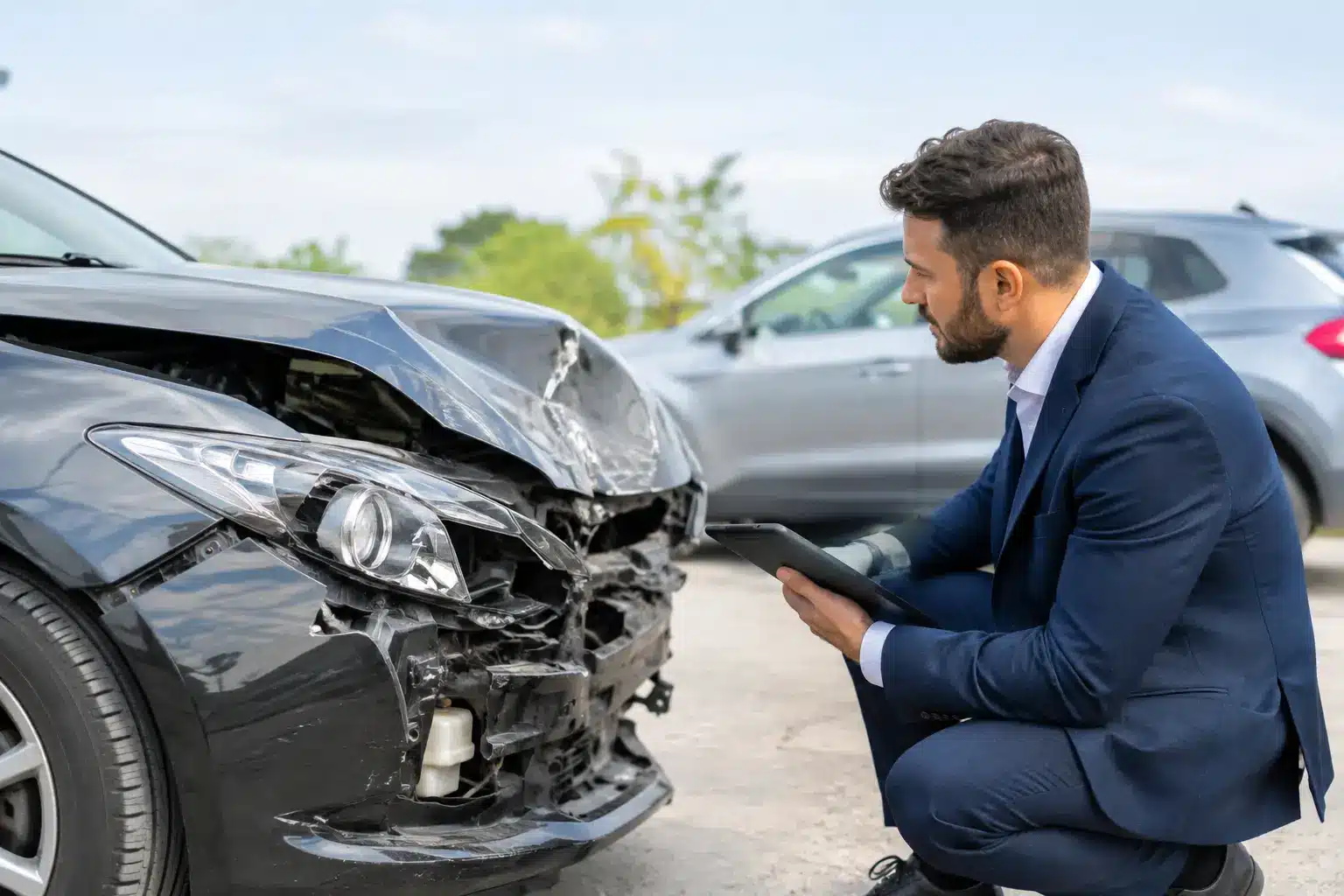
A collision, failed MOT, engine fault, or flood can turn a useful car into an expensive problem quickly. If you need to sell damaged car Essex, the priority is not just getting it gone. You need a fair offer, a collection time that works for you, secure payment, and proof that the vehicle has been handled legally.
Private selling can make sense for a newer repairable vehicle, but it often becomes time-consuming when the car will not start, has visible damage, or needs transporting. A professional vehicle buyer gives you a direct route from quote to collection, without arranging viewings or negotiating with people who may not show up.
When selling a damaged car is the sensible option
Not every damaged vehicle should be repaired. The right decision depends on its age, condition, market value, and the likely cost of getting it roadworthy again. A minor issue on a valuable car may be worth fixing. A major fault on an older vehicle may cost more than the car is worth.
Common reasons owners choose to sell include accident damage, gearbox or engine failure, electrical faults, MOT failures, fire or flood damage, and a vehicle that has been sitting unused for months. Non-running cars can also create practical problems: they take up space, can deteriorate further, and may be difficult to move when you eventually decide to deal with them.
If the car is an insurance write-off, check the category recorded by your insurer before agreeing to a sale. The category can affect its value and what can legally happen to it next. Be open about the damage when requesting a quote. Clear information leads to a more accurate price and prevents surprises when the collector arrives.
What affects the price for a damaged vehicle?
A damaged car still has value, but the figure is based on more than its appearance. Vehicle buyers consider the make, model, year, mileage, weight, condition, location, and current material values. Cars with complete major components, accessible locations, and straightforward collection arrangements are generally easier to value.
The extent and type of damage matters too. Cosmetic damage is different from structural damage, and a car that starts may be valued differently from one that has been off the road for a year. That does not mean a non-runner has no value. It simply means the buyer needs the right details before making a reliable offer.
To get the most accurate quote, provide the registration number, postcode, vehicle condition, and whether it starts or rolls. Mention missing wheels, flat tires, accident damage, warning lights, water exposure, or any access issues. Honesty is the quickest way to avoid a revised quote on collection day.
Do not spend money on unnecessary repairs
It is easy to throw money at a damaged car because you hope a small repair will raise its selling price. Sometimes that works, but often it does not. A diagnostic charge, recovery fee, or repair bill can quickly exceed any increase in value.
Before authorizing work, compare the likely repair cost with the vehicle’s current value and its value once repaired. If the numbers do not stack up, selling it as it stands is usually the more practical decision.
How to sell damaged car Essex with less stress
The simplest process should be clear from the first call or online quote. You submit the vehicle details, receive an offer, arrange collection, complete the required paperwork, and receive payment by bank transfer. There should be no need to organize a tow truck, advertise the car, or wait around for multiple buyers.
At Scrap Car Kings, the focus is on making that process straightforward for owners across Essex and the surrounding area. Free collection is particularly useful for vehicles that are not drivable or are parked at home, at a garage, or at the roadside. If access is restricted, tell the team in advance so the right collection arrangements can be made.
Collection timing may depend on your location, vehicle condition, and demand, but a responsive buyer should explain the available options clearly. If you need the car removed quickly after a breakdown, failed inspection, or insurance decision, say so when requesting your quote.
Have the right details ready before collection
You do not need to turn vehicle disposal into a paperwork project, but a few details make the handover smoother. Keep your vehicle registration document available if you have it, along with photo identification where requested. If you do not have the registration document, tell the buyer upfront rather than assuming the sale cannot proceed.
Remove your personal belongings before the collection vehicle arrives. Check the glove box, door pockets, trunk, under-seat storage, and any phone holders. Take out toll tags, parking permits, documents, and any personal data stored in the infotainment system. Resetting connected accounts and removing saved addresses is sensible, especially on newer cars.
If the vehicle is on private property, make sure it can be accessed. Move other vehicles if necessary and let the collector know about locked gates, narrow entrances, or underground parking. A car that cannot roll or has severe damage may require different equipment, so advance notice matters.
Payment and paperwork should be clear
A legitimate vehicle sale should never leave you wondering whether payment has been made or whether the car is still registered in your name. Agree the amount before collection, confirm how payment will be sent, and check that it has reached your account before the handover is complete.
For vehicles being permanently removed from the road, compliant disposal is just as important as the price. The process should include the correct documentation and handling through licensed operators. This helps protect you from future liability and gives you a clear record that the vehicle has left your responsibility.
DVLA notification requirements can vary according to the type of sale and what happens to the vehicle afterward. A professional buyer can explain the relevant steps and support the paperwork, but it remains wise to keep your own records. Save the payment confirmation, collection details, and any certificate or receipt you receive.
Watch for warning signs
The damaged-car market is straightforward when you deal with a reputable operator, but avoid anyone who is vague about payment, collection, or paperwork. Be cautious if a buyer changes the agreed price without a clear reason, pressures you to hand over the car before payment, or cannot explain how the vehicle will be processed.
A fair quote can change if the description was materially inaccurate, such as undisclosed missing components or a vehicle that cannot be collected as stated. That is different from a buyer making a last-minute reduction simply because they think you are out of options. Ask questions, get the key details confirmed, and do not feel rushed into accepting unclear terms.
Is private sale ever better?
It can be, particularly if the damage is minor and the vehicle is still safe, roadworthy, and desirable. A private buyer may pay more for a repairable car, but you will need to manage the listing, messages, viewings, payment, and transfer process yourself. You may also need to pay for repairs or transportation first.
For severely damaged, non-running, older, or end-of-life vehicles, the extra effort rarely delivers enough additional value to justify it. Free collection, a confirmed payment method, and compliant disposal are often worth more than chasing a slightly higher offer that may never materialize.
When a damaged car is taking up space and costing you time, choose the option that gives you certainty. A clear quote, honest vehicle description, scheduled collection, and proper paperwork can turn an awkward problem into a finished job in one day.