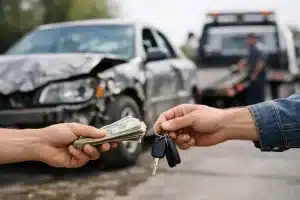
A failed MOT, a non-running engine, or accident damage can turn a car into an expensive problem overnight. If you are searching for “who gives scrap car valuation online – 07944 495 495,” you need more than a number on a screen. You need a realistic offer, a collection time you can rely on, secure payment, and proof that the vehicle is being handled legally.
An online valuation should make the next step simpler, not leave you guessing whether the price will change when the driver arrives. The right buyer asks clear questions about the vehicle, explains what affects its value, and arranges collection without adding towing stress to an already inconvenient situation.
Who Gives Scrap Car Valuations Online?
Professional vehicle recycling services provide online or phone valuations for end-of-life, damaged, unwanted, and non-running vehicles. A good service will normally ask for the registration number, location, vehicle condition, and whether the car is complete. With those details, it can give an informed quote and arrange free collection where available.
Scrap Car Kings provides this type of direct service for vehicle owners across London, Essex, and nearby areas. The process is built for people who do not want to advertise a car privately, wait for unreliable buyers, or organize transport for a vehicle that cannot be driven.
The most useful quote is not always the highest figure mentioned in a quick message. It is the amount the buyer is prepared to honor when the vehicle matches the description provided. That is why being accurate from the start matters. Tell the buyer about accident damage, missing wheels, flood damage, mechanical faults, or access issues at the pickup address. It protects you from wasted time and helps ensure the valuation is fair.
What an Online Scrap Car Valuation Is Based On
There is no single fixed price for every unwanted vehicle. Values change with recycling market demand, the vehicle’s weight, make, model, age, condition, and collection location. A complete SUV may have a different value from a small hatchback, even when both are no longer roadworthy, simply because their materials and collection requirements differ.
Condition matters beyond whether the engine starts. A car with four inflated tires that can be moved easily is generally simpler to collect than one blocked in on a driveway, missing wheels, or parked in a restricted-access garage. None of these situations prevents collection, but they should be discussed before a price is agreed.
The vehicle’s paperwork can also affect how smoothly the transaction goes. Having the V5C registration document available is helpful, though a reputable buyer can explain the options if it has been lost. Never assume that handing over keys is the end of your responsibility. The registered keeper should make sure the transfer or disposal is reported to the DVLA and retain the relevant confirmation.
Why registration details help
Providing a registration number allows the buyer to identify the vehicle correctly and reduces the risk of quoting for the wrong model. It also starts a more transparent conversation about whether the car is complete, its current condition, and the collection plan.
A quick valuation may be possible with only a few details, but the final offer should reflect the information you provide. If you are unsure whether a fault is relevant, mention it. Clear disclosure is usually faster than discovering an issue at pickup.
How to Get a Quote You Can Trust
Start with the basics: your vehicle registration, postcode, make and model if known, and a straightforward description of the condition. Say whether it starts, rolls, has keys, and is accessible for collection. If it has been declared an insurance write-off or has significant body damage, include that information too.
Then ask practical questions before committing. Is collection free? Is the quoted amount subject to inspection? When will payment be made? Which paperwork will be provided or supported? A professional operator should answer plainly rather than hiding the important details behind vague promises.
Payment timing is particularly important. For most private sellers, a fast bank transfer is the clearest option because it creates a record of payment. Check that the money has reached your account before the vehicle leaves, and do not feel pressured by a rushed handover.
It is also sensible to confirm the buyer’s recycling credentials. End-of-life vehicles must be handled through licensed operators and Authorised Treatment Facilities. This is not just an administrative detail. Proper disposal helps prevent abandoned vehicles, avoids environmental harm, and gives you confidence that your car is leaving your name and your driveway responsibly.
Free Collection Makes a Major Difference
A valuation only solves half the problem if your vehicle cannot be driven. Collection is often the deciding factor for owners with an MOT failure, serious mechanical fault, collision damage, or a car that has been sitting unused for months.
Free collection removes the need to arrange a separate recovery vehicle or pay to move a car that has little use left to you. In London and Essex, where parking restrictions, narrow streets, and busy schedules can complicate a pickup, clear arrangements matter. Give the collector any gate codes, parking details, or access limitations in advance.
Same-day collection may be possible depending on the time of your inquiry, the vehicle location, and truck availability. It should be treated as a useful option rather than an automatic promise. If you need the car removed before a deadline, say so when requesting the quote. A reliable service will tell you what it can realistically arrange.
Keep the handover simple and safe
Before collection, remove personal belongings from the glove box, trunk, door pockets, and under the seats. Check for documents with personal information, old parking permits, toll tags, and any valuables that may have slipped out of sight. If you have service records you want to keep, take them out before the vehicle is loaded.
Have your identification and vehicle documentation ready if requested. Take note of the collection company’s details, confirm the agreed payment, and keep records of the transaction. These small steps make the disposal process easier to trace if you ever need to refer back to it.
Avoiding Common Valuation Problems
The biggest problem is usually not the car itself. It is an incomplete description that creates different expectations for the buyer and seller. Calling a vehicle “running” when it needs a jump-start, has a serious warning light, or cannot move safely can lead to a revised quote. The same applies when a vehicle is described as complete but key items are absent.
Another issue is accepting an impressive headline price without confirming collection and payment terms. A quote that excludes recovery charges or depends on unexplained conditions may not be the best deal once everything is considered. Convenience, legal compliance, and a price that is honored are worth more than a figure designed only to get your attention.
Finally, do not leave the DVLA side unclear. Ask how the disposal or transfer will be recorded and what confirmation you should keep. A responsible buyer can support the process, but the registered keeper should still make sure the official notification is completed correctly.
A Faster Route From Unwanted Car to Paid Collection
An online scrap valuation is most useful when it leads to a straightforward plan: provide accurate vehicle details, receive a clear offer, book collection, confirm payment, and complete the required records. That approach works whether your car has failed its MOT, been damaged in an accident, stopped starting, or simply costs more to keep than it is worth.
If your unwanted vehicle is taking up space or becoming another item on your to-do list, call 07944 495 495 with the registration, location, and condition ready. A clear conversation now can turn a difficult disposal job into a properly managed collection.