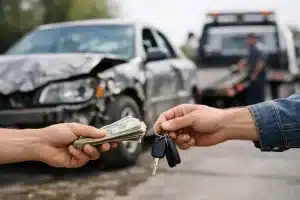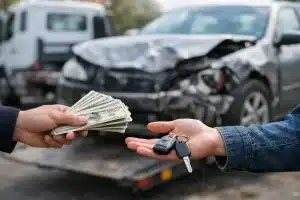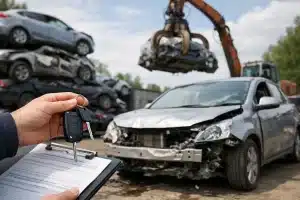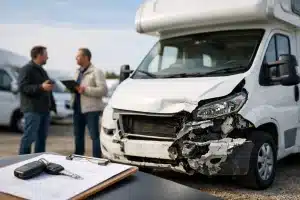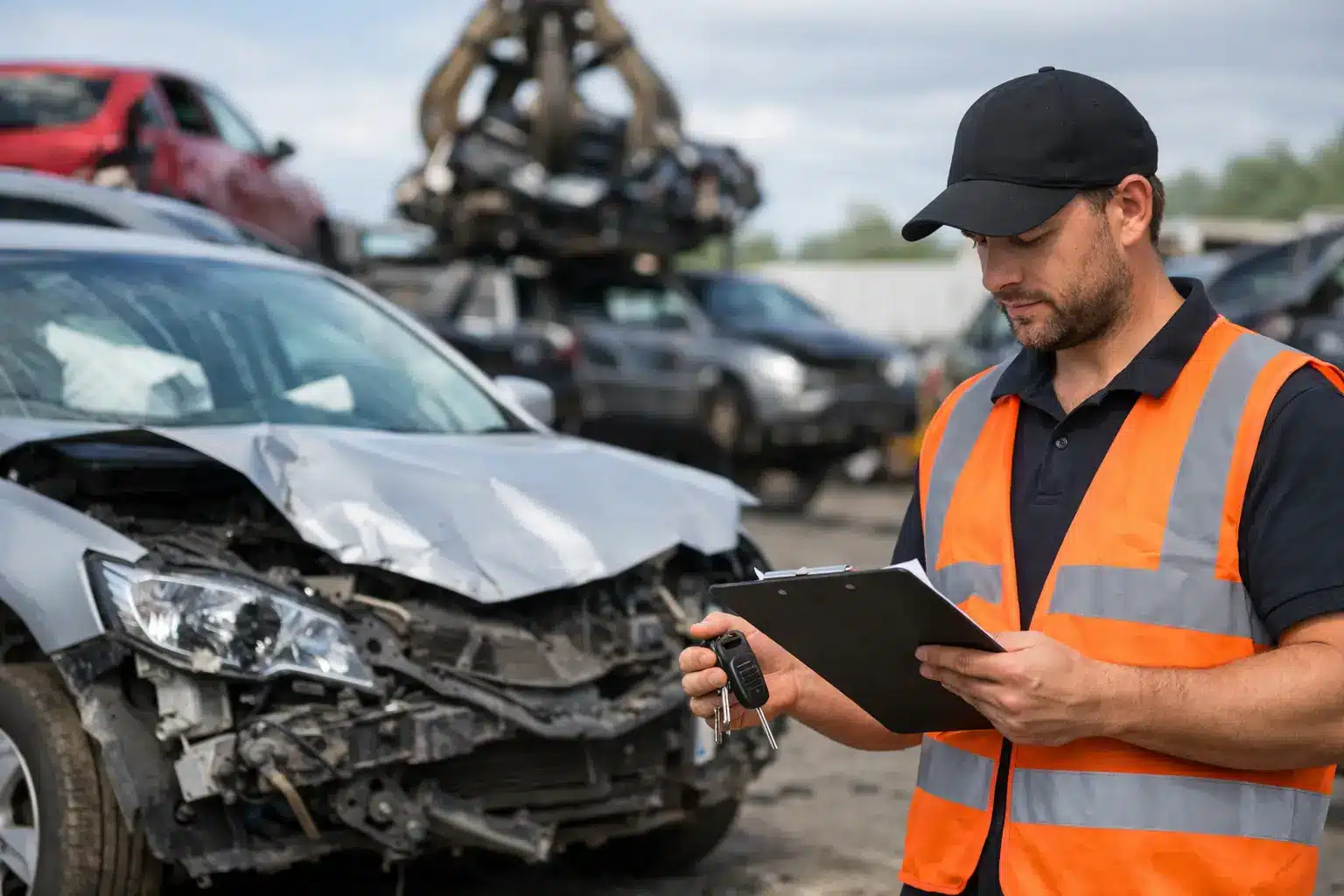
A failed MOT can make a car feel like a problem sitting on your driveway, especially when repairs cost more than the vehicle is worth. So, can I scrap a car without MOT? Yes. You do not need a valid MOT certificate to sell an unwanted vehicle for recycling, provided you use a properly licensed vehicle buyer and complete the ownership paperwork correctly.
For many owners, collection is the simplest option. If the MOT has expired or the car has failed on serious safety issues, do not risk driving it. A professional collection service can pick it up from your home, workplace, garage, or roadside location and pay you by secure bank transfer.
Can You Scrap a Car Without an MOT?
An MOT proves that a vehicle met minimum road-safety and emissions standards on the day it was tested. It is not a requirement for selling a vehicle for recycling. Licensed treatment facilities regularly accept vehicles with expired MOTs, MOT failures, accident damage, mechanical faults, flood damage, and non-running engines.
The key difference is between disposing of the car and driving it. An expired MOT does not stop you from arranging collection. It may, however, make driving the car illegal unless a specific legal exemption applies.
You may generally drive to a pre-booked MOT test, or to repairs following an MOT failure, if the vehicle is roadworthy enough to make the journey. That exemption does not give you permission to drive an untaxed or unsafe car to a collection point simply because you plan to dispose of it. If there is any doubt about its safety, book collection instead.
Why Collection Is Usually Better for an MOT Failure
A failed MOT often identifies issues that are expensive, unsafe, or both. Serious corrosion, brake defects, worn tires, steering faults, suspension damage, and emissions problems can quickly turn a modest repair into a poor financial decision.
Collection removes the uncertainty. You do not need to arrange a tow truck, renew the MOT, insure the vehicle for another trip, or negotiate with private buyers who may change their offer when they arrive. A reputable buyer should assess the vehicle from the details you provide, confirm the agreed price, collect it without charge where offered, and transfer payment promptly.
This is particularly useful when the vehicle is a non-runner. Be clear about whether it starts, rolls, has inflated tires, or is accessible to a recovery vehicle. Accurate information helps the collector send the right equipment and prevents delays on the day.
What You Need to Scrap a Car Legally
No MOT is required, but the sale still needs to be handled properly. In most cases, you should have the V5C registration certificate, often called the logbook. This identifies the registered keeper and gives the buyer the information needed to process the vehicle correctly.
You should also expect to show proof of identity. Licensed operators have legal duties around record keeping, and being asked for ID is a good sign that the transaction is being taken seriously.
If you cannot find your V5C, do not assume the car cannot be collected. Some licensed buyers can still accept it after checking your identity and vehicle details. However, you must take extra care to notify the DVLA yourself that you no longer own the vehicle. Keeping a written record of the buyer’s name, collection date, vehicle registration, and payment is sensible in every case.
Payment for a vehicle sold as scrap metal should be made by bank transfer or another traceable method, rather than physical cash. Confirm how and when you will be paid before collection. A clear buyer will explain this upfront, not leave you chasing payment after the vehicle has gone.
Choose a Licensed Operator
The most important decision is who takes the car. Your vehicle should go to an authorized treatment facility or a buyer working directly with one. These businesses are permitted to depollute and recycle end-of-life vehicles in line with environmental rules.
Avoid handing your vehicle to an unverified collector offering a vague cash deal or refusing paperwork. If the vehicle is later abandoned, used improperly, or remains recorded in your name, you could face unwanted correspondence or enforcement action. A legitimate service gives you a clear collection record and explains the next steps.
The DVLA Steps After Your Car Is Collected
Once the vehicle has been collected, notify the DVLA that you have sold or transferred it. Do this promptly rather than assuming the buyer has dealt with everything. The notification removes you as the registered keeper and helps protect you from future tax, parking, traffic, or penalty notices connected to the vehicle.
Where the vehicle is being destroyed through an authorized treatment facility, you may receive a Certificate of Destruction. Keep it safely. This confirms the vehicle has entered the authorized destruction process, but it should not be treated as a reason to ignore the DVLA transfer notification.
If you have any remaining vehicle tax, the DVLA will normally process any refund due once its records are updated. Do not cancel insurance too early if the vehicle is still on a public road or awaiting collection. If it is kept off the road before collection, you may need to declare it off road through a SORN, depending on its tax and insurance status.
How the Value Is Worked Out Without an MOT
An MOT failure does not automatically mean a vehicle has no value. The offer usually depends on its weight, make, model, age, location, condition, and current recycling market prices. A complete vehicle may be worth more than one that has had major components removed, while easy access can make collection more straightforward.
Be honest about the condition when requesting a quote. Mention accident damage, missing wheels, keys, catalytic converter issues, fire damage, warning lights, or whether the car is blocked in. These details are more useful than a vague description such as not working.
It also helps to separate an MOT failure from a total loss. A car may have failed on a single repairable issue and still hold value as a running vehicle. If repair costs are reasonable and the car is otherwise reliable, selling it as a repair project could bring more money. But when the repair list is long, the car is unsafe to drive, or you simply need it gone quickly, recycling is often the cleaner choice.
A Simple Way to Arrange Disposal
The process should not be complicated. First, provide the registration number, postcode, and an accurate description of the vehicle’s condition. You should then receive a quote based on the information supplied.
After accepting the price, arrange a collection time that works for you. Have your V5C and identification ready, remove personal belongings from the vehicle, and take out any parking permits, toll tags, documents, or valuables. If you have more than one key, hand them over too.
At collection, confirm the vehicle registration and agreed payment amount before it is loaded. Keep any receipt, collection confirmation, and payment record. Then complete the DVLA notification without delay.
For drivers in London, Essex, and surrounding areas, Scrap Car Kings can arrange a fast quote, free collection, secure bank transfer, and licensed disposal for cars that have failed their MOT or will not start.
An expired MOT does not have to leave you with an unusable car and a growing list of worries. If the vehicle is no longer worth repairing, arrange a licensed collection, keep the paperwork clear, and let the next step be simple.