A failed MOT, accident damage, or a car that simply will not start can leave you with a problem parked on your driveway. For car scrapping in Epping, Scrap Car Kings provides a straightforward way to turn an unwanted vehicle into a confirmed payment, without arranging transport or dealing with unreliable private buyers. The process is built around a clear quote, free collection, secure bank transfer, and compliant disposal.
Car Scrapping Epping: When It Makes Sense
Keeping an old vehicle can cost more than many owners expect. Even if it is not being driven, there may be insurance, tax, repair estimates, parking concerns, and the constant task of moving it when access is needed. If the cost to repair the vehicle is higher than its realistic value, selling it for recycling is often the practical decision.
This applies to more than just very old cars. A vehicle may be suitable for collection if it has failed its MOT, suffered accident or flood damage, has a major engine or gearbox issue, or has been declared an insurance write-off. Non-runners, vans with mechanical faults, and vehicles that have been sitting unused for months can also be collected.
Private sale can be worthwhile when a vehicle is roadworthy, presentable, and likely to attract serious buyers. It takes time, however, and it usually means answering messages, arranging viewings, negotiating, and handling test-drive concerns. When speed, certainty, and a legal disposal route matter more than maximizing a sale price, a collection service is usually the better fit.
What Determines the Value of a Scrap Vehicle?
There is no responsible one-price-fits-all quote for every vehicle. The value depends on the vehicle’s weight, make and model, age, condition, location, and current recycling market prices. A complete vehicle may be valued differently from one that has significant damage or missing major components. Larger vehicles, including certain vans and 4x4s, can also have different values because of their size and materials.
Accurate details help produce an accurate quote. Be ready to provide the registration number, make and model, condition, whether the vehicle starts, and its pickup location. It also helps to mention flat tires, accident damage, missing keys, restricted access, or whether the vehicle is in a garage or underground parking area. These details do not automatically prevent collection. They allow the right recovery arrangements to be made and reduce the risk of delays on the day.
Be cautious about unusually high offers that change once the driver arrives. A professional buyer should explain what the quote is based on and ask the relevant questions before confirming collection. Transparency matters more than a headline figure that disappears when it is time to complete the transaction.
How Free Vehicle Collection Works
The process should be simple from the first call or online quote request. Once the vehicle details are confirmed and a price is agreed, a convenient collection time is arranged. Depending on availability and the location, same-day collection may be possible, although a scheduled slot can be more practical if access is limited or you need to be present.
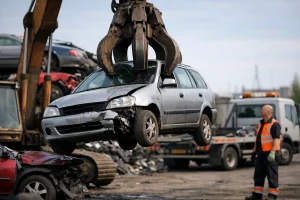
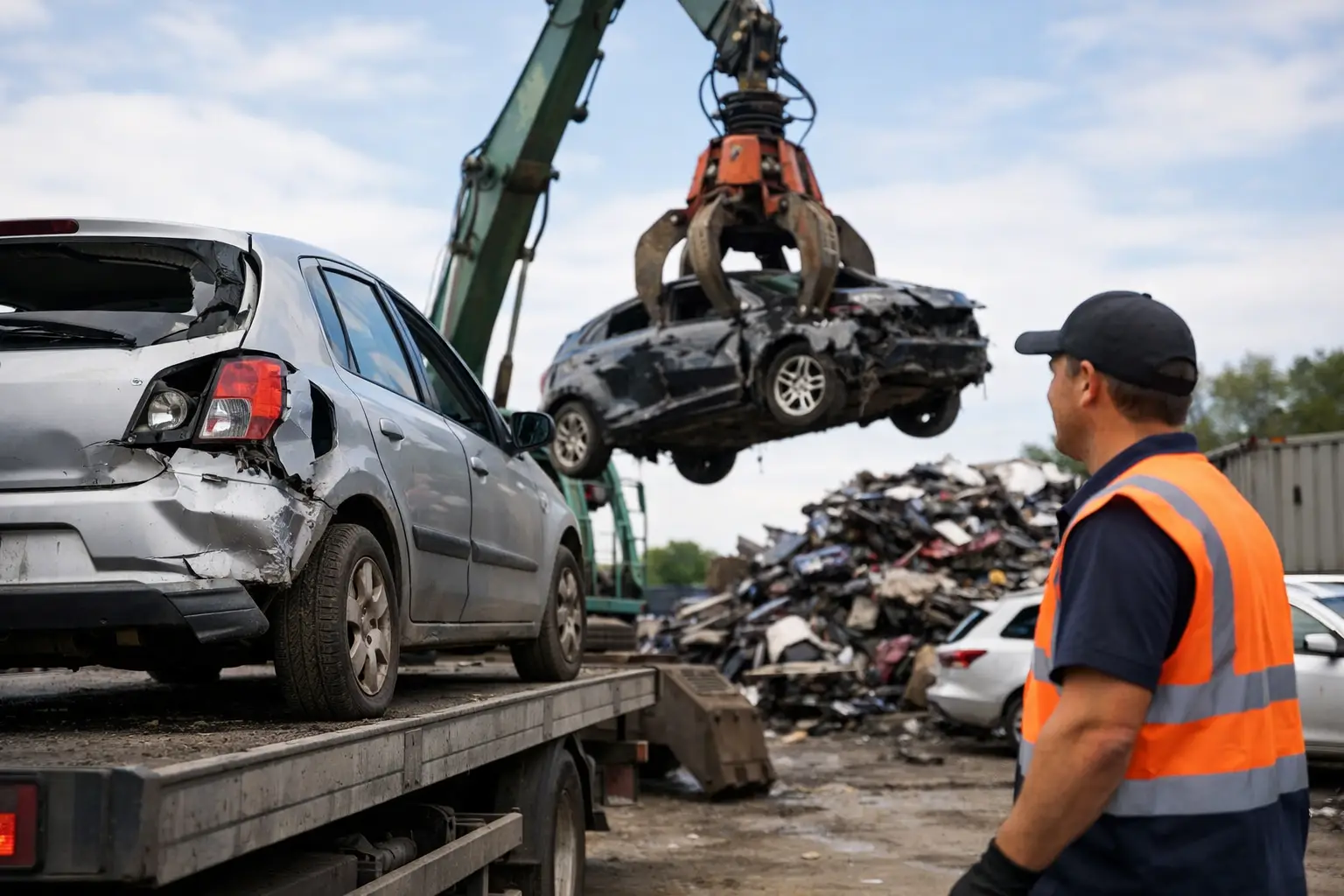
On collection day, the driver checks that the vehicle matches the description provided and verifies the required documentation. The vehicle is then loaded using suitable recovery equipment. You do not need to drive a non-running car anywhere, arrange a tow truck, or leave it at a disposal site yourself.
Free collection is particularly valuable when a vehicle cannot be driven legally or safely. A car without a valid MOT, one with serious collision damage, or a vehicle that will not start should not create a transport problem for the owner. Recovery is part of the service, not an extra job for you to organize.
Preparing the Vehicle for Pickup
Before collection, remove all personal belongings from the glove box, trunk, door pockets, under-seat storage, and any phone holders or chargers. Check for documents, house keys, parking permits, work equipment, and personal data stored in the vehicle’s navigation or infotainment system. If possible, reset connected accounts and remove the vehicle from any parking or charging apps.
Keep the keys and vehicle registration document available if you have them. Do not worry if you cannot find every document immediately, but say so when requesting a quote. The right next steps can then be explained before collection is booked.
Payment and Paperwork Should Be Clear
A quick payment matters, but the paperwork matters just as much. Payment for an end-of-life vehicle should be made by secure bank transfer, creating a clear record of the transaction. Confirm the payment arrangement before the vehicle is taken away, and make sure the account details you provide are correct.
You should also receive the appropriate purchase documentation. This records that the vehicle has been transferred to a licensed operator for proper treatment. If the vehicle is being treated as an end-of-life vehicle, an Authorized Treatment Facility may issue a Certificate of Destruction where applicable.
As the registered keeper, you should notify the DVLA that you have transferred or disposed of the vehicle. This step protects you from being linked to future tax, enforcement notices, or other issues connected to a vehicle you no longer own. A reputable service can support you with the information needed to complete the DVLA update, but it is still worth checking that your notification has been submitted correctly.
Do not hand over a vehicle without knowing who is collecting it, what paperwork will be supplied, and how your ownership record will be updated. A fast service should never mean skipping the details that protect you.
Why Licensed Disposal Is Worth Choosing
A vehicle contains fluids, batteries, tires, metals, plastics, and other materials that need controlled handling. Proper recycling reduces waste and helps ensure potentially hazardous materials are managed responsibly. Licensed operators follow a defined process for depollution, treatment, and recycling rather than leaving owners exposed to the risk of improper disposal.
This is not just an environmental consideration. If an unwanted car is passed to an unverified collector and later abandoned or mishandled, questions can come back to the registered keeper. Choosing a compliant service gives you a documented route from collection to lawful treatment.
For owners in Epping and surrounding parts of Essex and London, local collection also removes the practical headache of moving a disabled vehicle across town. You can arrange a pickup from home, work, a repair shop, or another accessible location, provided the recovery vehicle can safely reach it.
Common Situations That Need a Quick Solution
A car does not need to be completely beyond repair before recycling becomes the sensible option. The decision often comes down to cost, time, and how much uncertainty you are willing to take on. An owner with a minor repair may choose to fix and keep the car. An owner facing repeated faults, a large repair bill, and an expired MOT may reasonably decide that it is time to let it go.
The same applies after an accident. If an insurer has assessed the vehicle as uneconomical to repair, collection can prevent it from sitting unused while you decide what to do. For inherited vehicles, unwanted second cars, and old fleet vehicles, a prompt collection route can also make a difficult administrative task much easier.
The best time to arrange collection is before the vehicle becomes a bigger burden. Have the registration, location, condition, and your preferred pickup time ready, then request a clear quote. A properly managed collection turns an unwanted vehicle from a lingering problem into one less thing on your list.