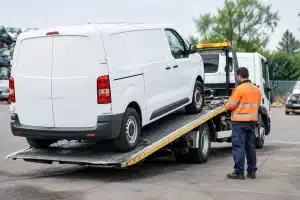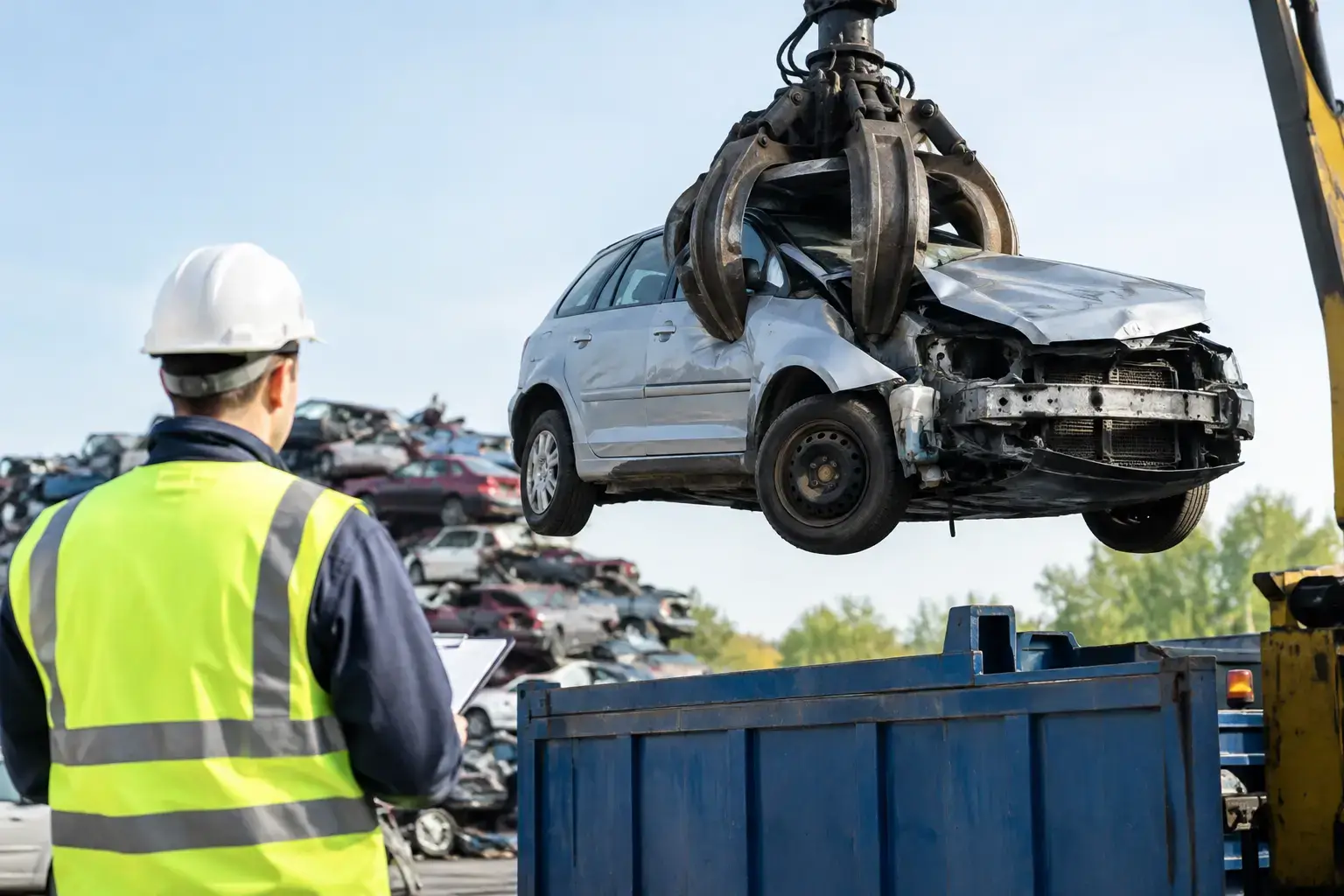
A failed MOT, accident damage, or a car that simply will not start can turn into a problem quickly. Authorised treatment facility car disposal gives you a lawful, documented route to remove that vehicle without arranging transport, chasing private buyers, or worrying about what happens after it leaves your driveway.
For owners in London, Essex, and nearby areas, the right collection service should do more than collect a vehicle. It should provide a fair quote, arrange free pickup, make payment securely, and ensure the vehicle enters the regulated recycling process. That combination protects your time, your money, and your responsibilities as the registered keeper.
What Is an Authorised Treatment Facility?
An Authorised Treatment Facility, commonly called an ATF, is a site approved to depollute and process end-of-life vehicles in line with environmental regulations. Before a vehicle can be recycled, hazardous materials and fluids must be managed correctly. This includes items such as fuel, oil, coolant, batteries, and other components that cannot simply be left to leak or enter general waste.
Using an authorized operator is not only about responsible recycling. It also creates an official trail showing that your vehicle has been handled properly. That matters when your car has no practical future on the road, whether it is a non-runner, an insurance write-off, flood-damaged, severely corroded, or too expensive to repair.
A legitimate vehicle buyer can arrange collection and transfer the vehicle into the authorized treatment process for you. You should not have to find a recovery truck, deliver a car yourself, or guess whether the final destination is properly licensed.
Why Proper Car Disposal Protects You
A car does not stop being your responsibility just because someone has driven it away. Until the change is properly recorded, parking penalties, enforcement notices, and other issues may still find their way back to the registered keeper. That is why paperwork is every bit as important as collection.
When arranging authorised treatment facility car disposal, make sure the service can clearly explain what happens after collection. You should know who is collecting the vehicle, what documentation you will receive, how payment will be made, and what you need to do with DVLA notification.
The exact paperwork can depend on the vehicle’s condition and the way it is being transferred. For example, a vehicle being collected for end-of-life recycling is handled differently from one that may be repaired and returned to the road. A professional buyer will explain the correct route rather than making vague promises.
If your vehicle is processed as an end-of-life vehicle, the ATF can issue a Certificate of Destruction. This is formal confirmation that the vehicle has entered the approved destruction process. Keep any collection receipt, payment confirmation, and vehicle transfer records until you are confident the DVLA record has been updated.
The Disposal Process Should Be Simple
For most owners, the process starts with an accurate quote. You will usually be asked for the registration number, vehicle make and model, condition, location, and whether it starts or rolls. Be honest about serious damage, missing wheels, mechanical faults, or access restrictions. Clear information makes the quote more reliable and avoids delays on collection day.
Once you accept the price, collection can be booked at a time that works for you. A non-running car is not a problem when the collector has the right recovery equipment. If the vehicle is parked in a tight street, underground garage, or restricted-access area, mention it before the appointment so the collection can be planned properly.
At handover, the collector will check the vehicle and confirm the details. You should remove personal belongings, take out toll tags or parking permits, and make sure you have any documents required for the transfer. Secure payment should then be arranged by bank transfer, with a clear record of the transaction.
The vehicle is collected free of charge when this has been agreed as part of the service. There should be no surprise towing fee added at the last minute because the car does not run. If circumstances genuinely change, such as undisclosed major damage or impossible access, a reputable operator will explain why the valuation needs to be reviewed before proceeding.
How Vehicle Values Are Decided
There is no single price for every unwanted car. The offer is normally based on vehicle weight, current metal market conditions, location, accessibility, completeness, and the cost of collecting it. A complete vehicle that is easy to recover may receive a better offer than one with missing major elements or a difficult pickup location.
Condition also matters, but not always in the way owners expect. A car with accident damage may still have value, while a working older vehicle can be worth less if costly faults make resale unrealistic. Insurance category, keys, documents, and whether the vehicle rolls can all affect the final figure.
This is why an instant quote should be treated as a clear starting point, based on the facts supplied. The best services are transparent about that. They do not advertise an unrealistic number just to secure your details, then pressure you to accept a much lower amount when the truck arrives.
Questions to Ask Before You Book
Before agreeing to collection, confirm that the provider works through licensed operators and can support compliant end-of-life vehicle handling. Ask whether collection is genuinely free, when you will receive payment, and what paperwork will be provided at handover.
It is also sensible to ask what you need to do about your V5C registration certificate and DVLA notification. Do not hand over a vehicle and assume that every administrative step has been completed without checking. The right process is straightforward, but it needs to be followed.
Avoid anyone who will not give a business name, cannot explain payment, asks you to leave the vehicle unattended with the keys, or refuses to provide proof of collection. A quick collection is useful only when it is also traceable and properly managed.
Preparing Your Vehicle for Collection
You do not need to spend money repairing or cleaning a car that is heading for disposal. However, a few minutes of preparation can save frustration. Check the glove box, seat pockets, trunk, sun visors, and door compartments for documents, tools, personal items, and any data-bearing devices connected to the vehicle.
Remove your personal information where possible. Delete saved home addresses, phone contacts, and account details from the infotainment system. Take photos of the vehicle before collection, including its overall condition and registration plate. This gives you a useful record, particularly after an accident or insurance claim.
If you have the keys and V5C, keep them ready. If either is missing, tell the buyer in advance rather than leaving it until collection day. Missing documents do not always prevent disposal, but they can change the checks required and may affect the offer.
When Disposal Is the Better Choice
Private selling can make sense for a vehicle that is roadworthy, presentable, and worth the time required to advertise, answer messages, arrange viewings, and negotiate. It is often less appealing when a car has failed its MOT, suffered major damage, has been sitting unused, or needs expensive work to become safe again.
Disposal is also a practical option when speed matters. Perhaps you need to clear a driveway, return a leased parking space, settle an insurance situation, or remove a vehicle before it deteriorates further. In those cases, a fair price, free collection, and compliant handling can be more valuable than spending weeks trying to maximize a private-sale figure.
Scrap Car Kings focuses on making that decision easier: a clear quote, arranged collection, secure payment, and professional handling from pickup through to the required disposal process.
A vehicle at the end of its usable life should not create a lingering legal or environmental worry. Choose a provider that can explain the process plainly, collect when promised, and leave you with the records you need to move on confidently.