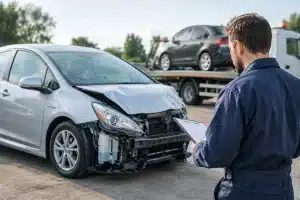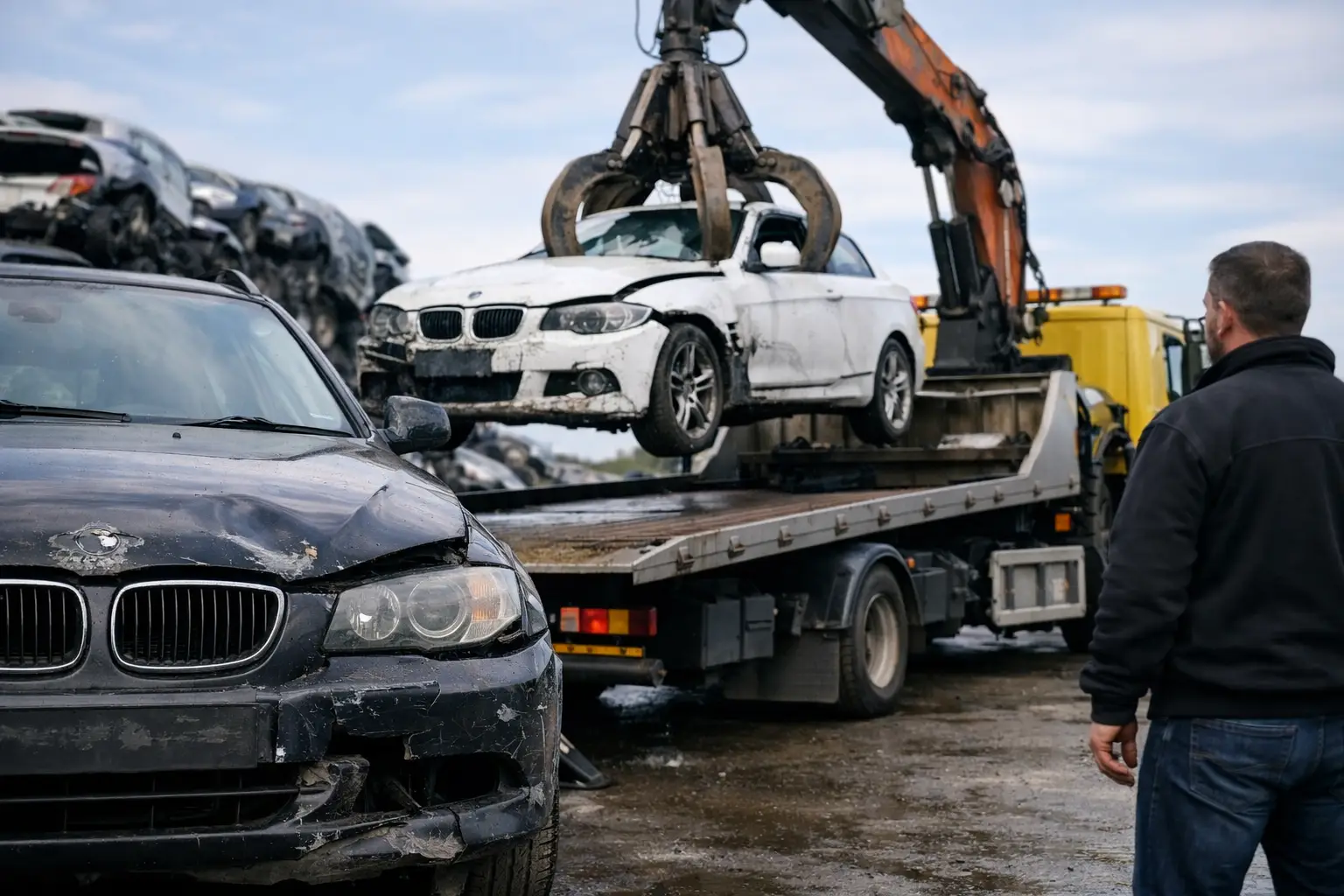
A BMW with a failed engine, major body damage, or an MOT bill that makes no financial sense can turn from asset to headache fast. If you are searching for scrap BMW buyers London Essex ScrapCarKings, you are usually not browsing for fun – you want a clear price, quick collection, proper paperwork, and a legal way to get the car gone without wasting days on calls and no-shows.
BMWs hold value in different ways than many standard scrap vehicles. Even when the car is non-running, accident-damaged, flood-affected, or simply too expensive to repair, there may still be worthwhile value in the shell, catalytic converter, engine components, gearbox, wheels, electronics, and recyclable metal. That means the right buyer does more than offer a flat scrap rate. They assess the vehicle properly, arrange collection, and handle disposal in line with legal requirements.
Why BMW scrap values can vary so much
Not every scrap BMW is priced the same, and this is where many vehicle owners get caught out. A 1 Series with heavy rear-end damage will be valued differently from a 5 Series with transmission failure. A diesel X5 with usable parts may attract stronger offers than an older petrol saloon that has been sitting unused for months. Even two cars of the same model can produce very different valuations depending on mileage, condition, completeness, and location.
The catalytic converter alone can affect pricing on some BMW models, but it is never the only factor. Alloy wheels, engine condition, trim level, and whether key parts are still present all matter. If the vehicle has already been stripped, the value may be lower. If it is complete and easy to recover, the offer may be stronger. That is why instant pricing works best when the details provided are accurate from the start.
For owners in London and Essex, access also matters. A car parked in a tight underground space or on a restricted street may require more planning than one sitting on a driveway. That does not mean it cannot be collected. It simply means a serious buyer needs to factor in logistics instead of giving vague promises.
What scrap BMW buyers in London and Essex should actually offer
A proper scrap vehicle service should remove stress, not add to it. When you are comparing scrap BMW buyers in London and Essex, the basics matter more than flashy claims.
First, you should be able to get a quote quickly. If you have the registration, postcode, and a simple description of the BMW’s condition, the process should move fast. You should not have to chase for days just to learn whether the car is worth collecting.
Second, collection should be included where possible, especially for non-runners and damaged cars. Most people scrapping a BMW are not in a position to arrange separate towing. If the vehicle cannot be driven, the service needs to handle recovery as part of the job.
Third, payment should be clear and secure. The strongest operators explain how much they are offering, when payment is made, and what documents are needed. That clarity matters when you are trying to get rid of a vehicle quickly and avoid last-minute changes.
Finally, disposal needs to be compliant. Scrapping a vehicle is not just about removing it from your driveway. It involves legal responsibilities, including correct processing through licensed channels and proper handling of ownership records.
Scrap BMW buyers London Essex ScrapCarKings process
The reason many owners choose a specialist service is simple – private selling a damaged or dead BMW is often more trouble than it is worth. Buyers ask if the car runs, whether warning lights are on, if there is service history, and whether they can “come later” and then disappear. If the car has serious faults, the process gets even slower.
A direct scrap buying process is built for speed. You provide the vehicle details, receive a quote based on the information available, agree collection, and get the car removed. From there, the administrative side is handled properly so you are not left guessing what to do next.
This is especially useful for vehicles with common high-cost BMW faults. Timing chain issues, gearbox failure, electrical faults, overheating, DPF problems, accident damage, and repeated MOT failures can all push repair costs beyond what makes sense. On paper, fixing the car may sound reasonable. In reality, the labor, parts, diagnostics, and downtime can quickly outweigh the car’s market value.
There is also the question of risk. Spending money to diagnose one issue on an older BMW often reveals another. That is why many owners decide to take the guaranteed route instead of chasing repairs that may never end.
When scrapping a BMW makes more sense than repairing it
There is no single rule here. Some BMWs are worth repairing, especially newer models with limited damage or strong resale value. But many are not, and being realistic can save a lot of money.
If the repair bill is close to or above the car’s actual resale value, scrapping is often the cleaner option. The same applies if the vehicle has failed its MOT on multiple major points, has been written off by an insurer, or has sat unused long enough that additional faults are likely. A non-runner with suspension damage, electrical issues, and warning lights across the dashboard is rarely a smart private sale unless you are willing to wait and negotiate hard.
For busy owners in London and Essex, time is often the deciding factor. If the BMW is taking up space, attracting parking issues, or costing money in storage or insurance, a fast sale becomes more valuable than squeezing out every last dollar equivalent from a difficult vehicle.
What to have ready before collection
The process is easier when a few basics are ready in advance. The vehicle registration is essential, and having your ID and ownership details available helps keep everything straightforward. If you have the title equivalent, service records, or MOT history, those can support the vehicle description, but older scrap cars do not always come with a perfect file.
If the BMW is blocked in, has a dead battery, missing wheels, or steering that is locked, mention it early. Honest information helps avoid delays on collection day. It also protects the quote from being revised because of something that was not disclosed.
Remove personal belongings before handover and check the glove box, trunk, door pockets, and under-seat storage. BMWs tend to collect paperwork, adapters, sunglasses, and all kinds of forgotten items over the years. It sounds obvious, but many people remember too late.
Compliance matters more than most owners realize
The biggest mistake sellers make is assuming that once the car is picked up, the job is done. It is not done unless the vehicle is processed correctly and the ownership side is handled properly.
That is why licensed disposal matters. A compliant buyer should understand the requirements around end-of-life vehicles and make sure the process follows the proper route. If that does not happen, the old owner can end up dealing with avoidable problems later, including questions around tax, ownership, or disposal records.
This is where a professional, service-led operator stands apart from casual traders. You are not just selling a damaged BMW for scrap value. You are paying attention to how the vehicle exits your responsibility.
Choosing the right buyer for your BMW
The best service is rarely the one making the loudest promise. It is the one that is clear, responsive, and realistic. If a buyer cannot explain how pricing works, when collection happens, how payment is made, or what happens after pickup, that is usually a sign to keep looking.
A dependable service should give you a direct answer, not a scripted runaround. It should also understand that BMW owners are often dealing with vehicles that have more complexity than a standard scrap hatchback. That means valuing the car properly, planning collection properly, and managing the paperwork properly.
For many sellers, the real win is not just the price. It is knowing the car is gone quickly, payment is handled securely, and the legal side is covered without extra chasing. That combination is what turns a frustrating situation into a manageable one.
If your BMW is no longer worth repairing, the next step should feel simple. Get the details together, ask for a clear quote, and work with a buyer who can collect promptly and process the vehicle the right way.