A failed MOT, accident damage, or a car that simply will not start can turn into an expensive problem quickly. For car scrapping Shoeburyness – 07944 495 495, the priority is straightforward: get a fair quote, arrange collection at a time that works for you, receive secure payment, and know the vehicle has been handled legally.
Selling an unwanted vehicle privately can mean repeated viewings, low offers, missed appointments, and questions about whether the buyer will actually collect it. Scrapping is often the simpler route when repair costs outweigh the car’s value or when it is no longer safe or practical to keep on the road.
When scrapping your car is the right choice
Not every older vehicle should be scrapped. If it is roadworthy, has a valid MOT, and has enough market value to justify the time involved in selling it, a private sale may bring more money. But that depends on demand, condition, and how quickly you need it gone.
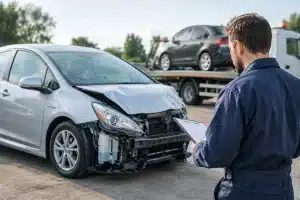
Scrapping is commonly the better option for vehicles with major mechanical faults, serious body damage, failed MOTs with costly repairs, flood damage, fire damage, or insurance write-off status. It also makes sense for non-runners that have been sitting on a driveway, taking up space while their condition gets worse.
A clear quote gives you a practical starting point. The value is affected by the vehicle’s make, model, age, weight, condition, location, and whether it is complete. Current recycling market conditions can also influence the price, which is why a quote should be confirmed using accurate vehicle details rather than guessed from a generic online figure.
Car scrapping in Shoeburyness without the runaround
A professional collection service should remove the difficult parts of disposing of a vehicle. You should not have to arrange transport yourself, negotiate with uncertain buyers, or work out the paperwork alone.
With Scrap Car Kings, the process is built around a few clear stages. First, provide the registration number, location, and an honest description of the vehicle’s condition. Mention issues such as accident damage, missing wheels, a flat battery, no keys, or an engine that does not run. These details help ensure the collection team arrives prepared and the quote accurately reflects the vehicle.
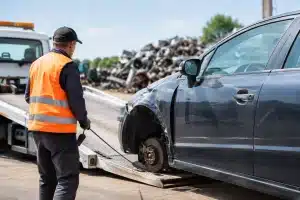
Once you accept the offer, collection can be scheduled from your home, workplace, garage, or another accessible location. Free collection is especially valuable for a non-running car, as moving it independently can involve towing costs and extra hassle. On collection, the vehicle is checked against the information provided, payment is arranged by secure bank transfer, and the required disposal documentation is handled.
Being upfront about the condition protects everyone. A vehicle described as complete but found to have major items missing may need to be revalued. Honest information from the start means fewer delays and a smoother handover.
What to have ready before collection
You do not need to spend days preparing a vehicle for collection, but a little organization makes the appointment easier. Remove personal belongings from the glove box, door pockets, trunk, and under-seat storage. Check for documents, parking permits, sunglasses, charging cables, and anything left behind from previous trips.
If available, have your V5C registration certificate ready. It supports a clear transfer of responsibility, although a missing V5C does not always prevent collection. Let the buyer know in advance if it is unavailable so the correct process can be explained.
You should also remove any private plate only if you have already completed the retention or transfer process. Do not assume a registration can be retained after the vehicle has been disposed of. If the car has finance outstanding, resolve that directly with the finance provider before arranging collection.
Why legal disposal and paperwork matter
A cheap or informal pickup can become costly if the vehicle is not handled properly afterward. The registered keeper needs confidence that the vehicle has entered an authorized recycling process and that the relevant authorities are notified.
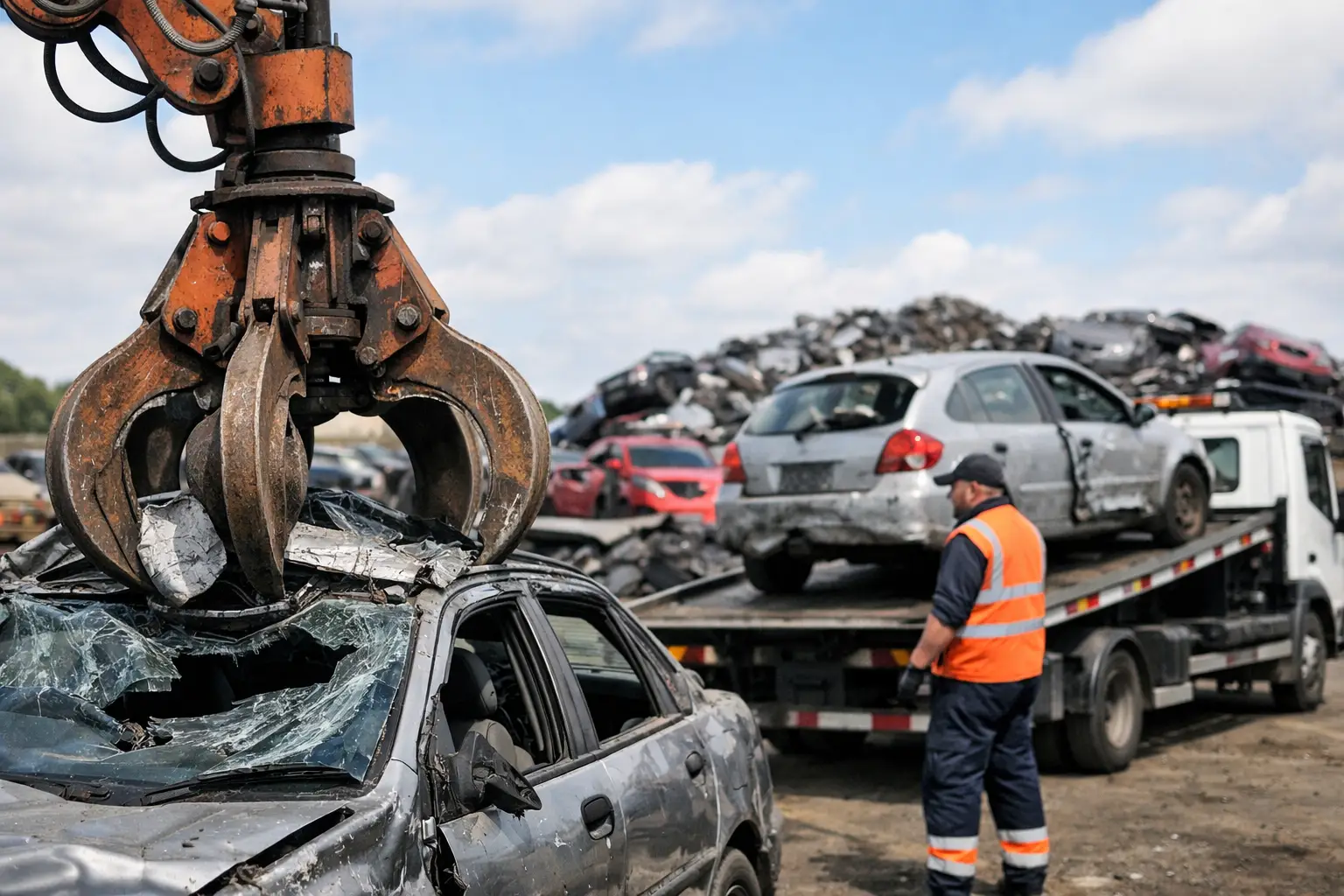
At the point of disposal, you should receive the appropriate evidence that the vehicle has been transferred for treatment. This is commonly a Certificate of Destruction when the vehicle is processed as an end-of-life vehicle through an Authorized Treatment Facility. Keep all paperwork and payment confirmation in a safe place.
You must also notify the DVLA that the vehicle has been sold or transferred. This step helps protect you from future responsibility for vehicle tax, parking penalties, enforcement notices, or other correspondence connected to a vehicle you no longer own. A reputable service can guide you through the information needed, but the registered keeper should make sure the DVLA notification is completed correctly.
This is where speed should never mean cutting corners. Same-day collection can be useful when a damaged car is blocking a driveway or needs to be removed after an accident, but compliance still matters. A proper collection, clear records, and licensed recycling are worth more than a vague promise from an unverified buyer.
Getting the best accurate quote
The best quote is not always the highest number in a message. It is the offer that remains clear when collection is arranged, includes collection where promised, and comes with proper documentation and secure payment.
Give the registration number and describe the car as accurately as possible. State whether it starts, whether it rolls, whether the tires are inflated, and whether keys are present. If the vehicle is in a tight parking area, on a narrow street, or behind a locked gate, mention that too. Access information helps avoid a failed collection or an unnecessary wait.
Photos can be useful where the vehicle has significant damage. They allow the buyer to understand the condition before arriving and can reduce the chance of a revised offer. This is particularly helpful for collision damage, corrosion, missing panels, or vehicles that have been off the road for a long time.
Be cautious of offers that sound unusually high but include unclear conditions. Ask whether collection is free, how payment is made, whether the amount is subject to inspection, and what paperwork you will receive. Straight answers are a good sign that the service is organized and accountable.
Common situations that can still be collected
Many owners assume their vehicle is too damaged or inconvenient to be collected. In most cases, that is not true. Non-runners, MOT failures, accident-damaged cars, unwanted vans, and end-of-life vehicles can all be assessed for collection.
The key issue is access and accurate information. A car with no keys may require different handling than one that can be moved easily. A vehicle with seized wheels, a missing tire, or severe accident damage may need specialist recovery equipment. These are manageable situations when they are disclosed while requesting the quote.
If you are dealing with an insurance write-off, check whether the insurer has already taken ownership before arranging disposal. If the vehicle remains yours, make sure you understand its category and whether any documentation requirements apply. It is better to clarify ownership first than to create problems later.
A simple next step for Shoeburyness vehicle owners
An unwanted vehicle does not have to sit there while you pay for repairs you do not want, insurance you no longer need, or space you cannot spare. A clear quote and arranged collection give you a practical way to move on without the uncertainty of a private sale.
Call 07944 495 495 with your registration, location, and a brief description of the vehicle. Whether it is a non-runner, damaged car, failed-MOT vehicle, or an older car that has reached the end of its useful life, the right collection service should make the final handover quick, documented, and easy to manage.