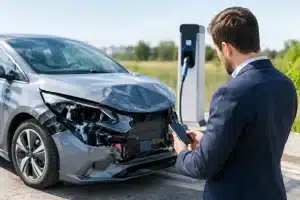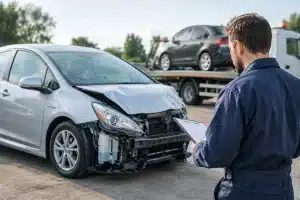
A failed MOT, accident damage, a dead engine, or a car that has been sitting on the drive for months can turn into a problem quickly. If you are searching for how to scrap a car in London – 07944 495 495, the process should be straightforward: get a clear quote, arrange collection, receive payment, and make sure the vehicle is disposed of through the proper licensed route.
The key is not simply getting the car removed. You need to know who is collecting it, what paperwork is required, and when you will be paid. A professional vehicle recycling service takes care of those details without asking you to organize transport or chase uncertain buyers.
How to Scrap a Car in London the Right Way
Start by gathering the basic details of your vehicle. The registration number, make, model, age, mileage, condition, and location all affect the quote. Be upfront about major issues, such as accident damage, missing wheels, flood damage, a non-starting engine, or whether the vehicle is accessible for collection. Accurate information means the price you are offered is more likely to be the price paid.
You should also have your V5C registration certificate available if possible. It is not always the end of the process if you cannot find it, but having it makes the ownership and DVLA notification steps easier. Never sign over a vehicle to an unknown collector without confirming what documents they will provide and how they will handle the transfer.
For most owners, the practical process looks like this:
- Request a quote using the vehicle registration and a clear description of its condition.
- Agree on a collection time that works for you, whether the car runs or needs to be recovered.
- Have the vehicle collected from your home, workplace, garage, or other accessible location.
- Receive payment by secure bank transfer and keep the collection paperwork.
- Notify DVLA that you have transferred the vehicle to a licensed treatment facility or motor trader, as appropriate.
That is the simple version. The value is in making sure each stage is handled properly.
What Determines Your Scrap Car Price?
There is no single flat rate for every unwanted vehicle. The weight and metal content matter, but so do the vehicle’s make, model, age, location, and overall condition. A complete vehicle that is easy to collect can be worth more than one that has been stripped of key components, badly damaged, or parked where recovery access is difficult.
Some vehicles may be valued above basic recycling weight because of their condition, demand, or potential reuse value. Others are priced mainly on the cost of compliant collection and recycling. This is why it is worth requesting a direct quotation rather than relying on a generic online estimate.
Be wary of a price that sounds unusually high but is not confirmed after the collector arrives. A reputable buyer should ask the right questions before giving a quote and explain any reason the valuation could change. If the car is as described, the agreed price should not become a last-minute negotiation on your driveway.
Free Collection Matters When the Car Does Not Run
Transport is often the biggest obstacle for owners of non-runners, MOT failures, and accident-damaged vehicles. Driving the car may not be safe or legal, and paying separately for recovery can reduce what you receive.
Free collection removes that complication. A properly equipped collector can recover vehicles that will not start, have flat tires, lack a current MOT, or have been declared off the road. Access still matters, however. Let the collection team know if the car is in an underground parking area, behind a locked gate, on a narrow street, or blocked by another vehicle. A few details in advance help avoid delays on the day.
If the vehicle is on public land, there may be additional considerations. You should make sure you have the right to release it and that collection can take place without creating an obstruction. For a vehicle on private property, have keys available where possible and remove personal belongings before it is collected.
Payment Should Be Clear and Traceable
Scrap vehicle payments should be made by bank transfer, not cash. This protects both the seller and the buyer by creating a clear record of the transaction. Before collection, confirm the payment method, when the transfer will be made, and whether the quoted amount includes collection.
Check your bank account before handing over the vehicle where possible. If payment is arranged at collection, a fast bank transfer gives you confirmation without waiting days for a check to clear. Keep a record of the quote, payment confirmation, and collection details in case you need them later.
You should not have to pay a surprise recovery fee for a standard collection that was accurately described. If there are circumstances that could affect the price or collection cost, such as restricted access or significant missing items, they should be discussed before the appointment is booked.
DVLA Paperwork: Do Not Skip This Step
Removing the vehicle from your driveway is not the same as removing it from your responsibility. Until DVLA is notified, you could still receive tax reminders, penalty notices, or correspondence connected to the car.
When a vehicle reaches the end of its life, it should be passed to a licensed authorized treatment facility. The facility can issue a Certificate of Destruction when the vehicle is destroyed. This is an important record confirming that the vehicle has been taken out of circulation through the correct process.
If the car is being purchased as a damaged or unwanted vehicle rather than immediately destroyed, the notification route can differ. The important point is that you update DVLA promptly using the correct transfer details supplied by the collector. Do not leave this until later and assume someone else has completed it.
You may also be entitled to a refund for any remaining full months of vehicle tax once DVLA processes the change. Keep your confirmation until the matter is fully closed. If you have a personalized registration, check the retention process before collection, as you may want to keep the plate rather than transfer it with the car.
Prepare the Vehicle Before Collection
A little preparation makes collection quicker and prevents you from losing something important. Empty the glove box, door pockets, trunk, center console, and any storage compartments. Check under seats for documents, parking permits, sunglasses, tools, charging cables, and personal items.
Remove any toll tags, parking apps, insurance documents, or private information that could remain in the vehicle. If you have service records, keep them unless the buyer asks for them as part of the agreed sale. Take photographs of the car before collection, especially if it has accident damage, and note the odometer reading if accessible.
If you have the V5C, keep the relevant section until you have completed the DVLA notification. Never hand over your entire paper trail without retaining the details needed to prove when the vehicle left your possession.
When Scrapping Is Better Than Selling Privately
Private sale can make sense for a clean, roadworthy car with a current MOT and a realistic resale market. But it is often not worth the time when a vehicle has serious mechanical problems, structural damage, expensive repair needs, or no legal route back onto the road without major work.
A private sale also brings inquiries, viewings, no-shows, price haggling, and the possibility of a buyer failing to complete the transfer paperwork. For a non-runner or end-of-life vehicle, collection and licensed disposal are usually the faster, lower-stress option.
Scrap Car Kings provides instant quotations, free collection, secure bank transfer payment, and professional support with the disposal process across London, Essex, and surrounding areas. The aim is simple: give you a fair route to move on from an unwanted vehicle without arranging a tow or guessing what happens after it leaves.
Questions to Ask Before You Book
Before confirming collection, ask whether the quote is based on the vehicle details you provided, whether collection is free, and how payment will be made. Confirm that the company works with licensed treatment facilities and ask what paperwork you will receive.
It is also sensible to ask whether the collector can handle your specific situation. A vehicle with no keys, a flat battery, severe crash damage, or difficult access may still be collected, but advance notice allows the right recovery equipment to be arranged.
The best disposal service makes a difficult car easy to deal with. Get the facts, keep your paperwork, and choose a collector that gives you a clear price, a reliable pickup time, and a documented legal finish to the vehicle’s story.