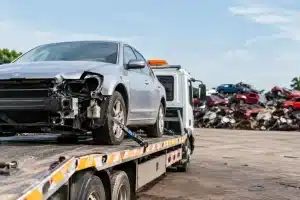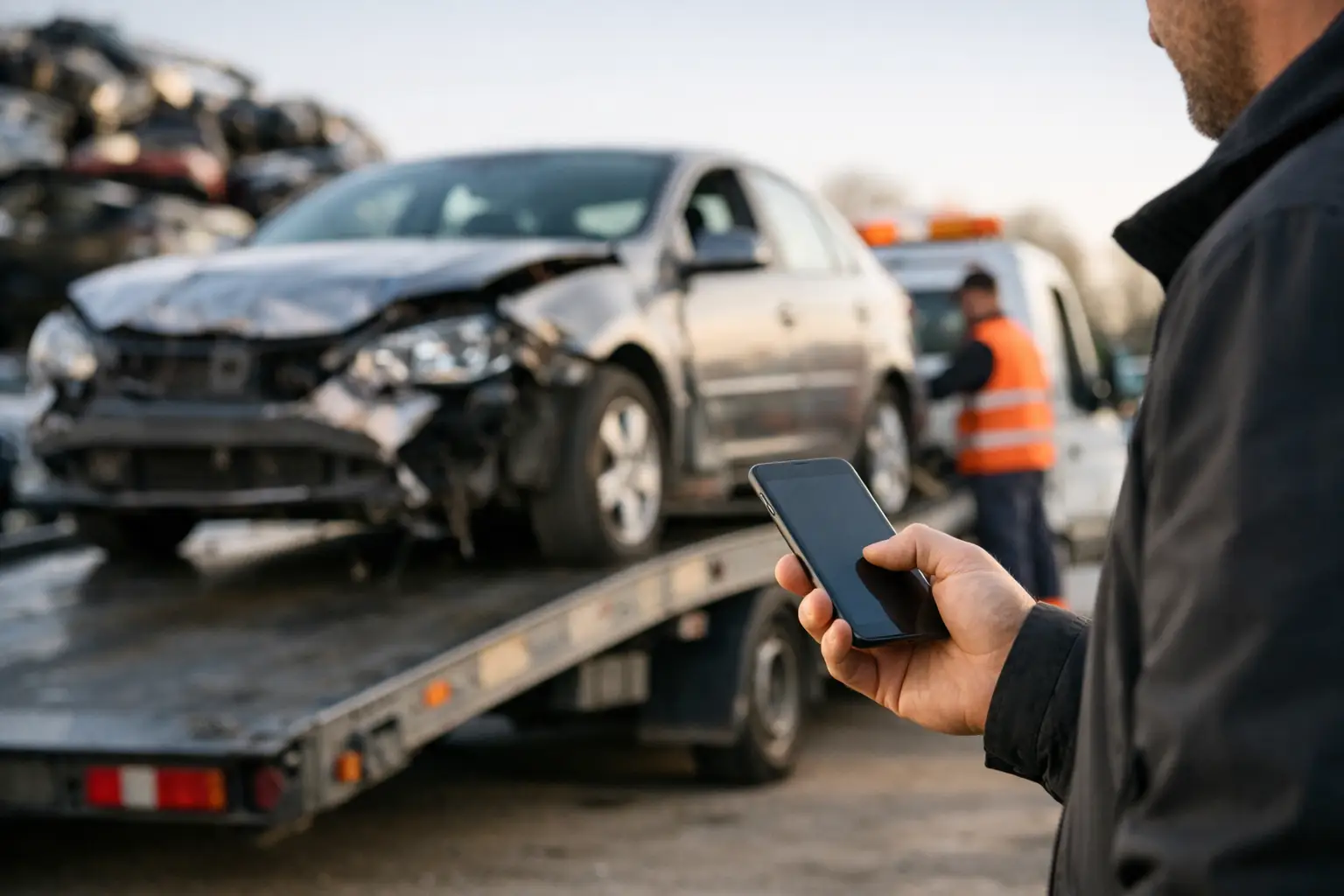
A car that has failed its MOT, stopped starting, or been declared a total loss can become expensive surprisingly quickly. For the best scrap car quote, call 07944 495 495 and have the vehicle assessed on its real details, with collection, payment, and legal disposal handled clearly from the start.
The right quote is not simply the highest number mentioned on the phone. It is the amount you receive when the vehicle is collected, without unexpected collection fees, payment delays, or confusion over paperwork. For owners in London, Essex, and nearby areas, that certainty matters just as much as the price.
What Makes the Best Scrap Car Quote?
A fair quote reflects more than a vehicle’s age or the fact that it no longer runs. Vehicle weight, make, model, condition, location, and current material values can all affect the offer. A complete vehicle may be valued differently from one that is missing major components, while a larger van may have a different value from a small hatchback even if both are non-runners.
The best scrap car quote should also be transparent. Before agreeing to collection, you should know whether the price includes free pickup, whether payment will be made by bank transfer, and what condition the vehicle needs to be in for the quoted amount to stand. Clear questions at the beginning prevent difficult conversations at the curb.
A quote may be lower for a vehicle that is inaccessible, has no wheels, or needs specialist recovery equipment. That does not make it unfair. What matters is that these details are discussed upfront, so collection can be arranged properly and the price is realistic.
Give Accurate Vehicle Details
The quickest way to receive an accurate offer is to provide the registration number, make and model, and a straightforward description of the condition. Mention if the car starts, whether it has been in an accident, if keys are available, and whether it is parked on a driveway, road, garage, or restricted-access site.
Honesty works in your favor. A minor issue such as a flat tire or a failed battery is usually easy to plan for. Details that only appear when the collection vehicle arrives can affect the recovery method and may affect the final offer. A professional buyer would rather know the situation before scheduling a pickup than make promises that cannot be kept.
Best Scrap Car Quote: Price Is Only One Part of the Service
A high offer can lose its value quickly if you are asked to arrange transportation, pay a recovery charge, or wait days for money to arrive. When comparing options, look at the whole transaction rather than the headline figure.
Free collection is particularly valuable for non-running, damaged, or uninsured vehicles. Moving an unwanted vehicle yourself can mean arranging a tow, taking time off work, and accepting the risk of further damage or inconvenience. A planned pickup lets you choose a suitable time and removes that burden.
Fast payment is another practical point. A bank transfer provides a clear payment record and avoids the uncertainty that can come with cash arrangements. Confirm when the transfer will be made and make sure the account details are provided correctly. For many sellers, payment on collection is the difference between a simple solution and another problem to chase.
There is also the matter of legal responsibility. Until the required ownership and disposal notifications are completed, a vehicle can still create concern for its registered keeper. The collection process should include the paperwork needed to support the transfer and help you deal with DVLA obligations correctly.
How the Collection Process Should Work
Disposing of a vehicle should not require multiple calls or complicated arrangements. A reliable process is usually straightforward: receive a quote, confirm the vehicle details, book collection, complete the handover, and receive secure payment.
At the quote stage, you should be asked for enough information to establish a realistic price and recovery plan. Once you accept, a collection time is arranged. Same-day availability can be helpful when a vehicle is blocking a driveway, sitting at a repair shop, or needs to be removed after an insurance decision, though availability depends on location and scheduling.
At collection, the driver should verify the vehicle and relevant documents before loading it. Keep your photo ID and vehicle documentation available where possible. If you do not have every document, say so before booking. There may still be a solution, but it is always better to establish the requirements early.
After the handover, you should receive confirmation of payment and the necessary disposal documentation. A licensed Authorized Treatment Facility handles end-of-life vehicles through the proper channels, including issuing a Certificate of Destruction where applicable. This is not paperwork for paperwork’s sake. It helps show that the vehicle has been dealt with responsibly and is no longer your concern.
Questions to Ask Before Accepting a Quote
You do not need to turn a simple car disposal into a long negotiation, but a few direct questions will protect your time. Ask whether collection is free, whether the quoted price is guaranteed based on the details you supplied, and when payment will reach your bank account.
It is also sensible to ask what documents you need at collection and how DVLA notification will be handled. If the vehicle is an insurance write-off, flood-damaged, or severely damaged, confirm that the recovery team has been told. A provider that explains the process plainly is generally easier to deal with than one that offers a vague price and avoids the practical details.
Do I Need an MOT to Sell a Vehicle for Disposal?
No. Many vehicles collected for disposal have failed an MOT or have been off the road for months. The lack of a current MOT is often the reason an owner chooses this route. Still, disclose whether the vehicle can move under its own power so the correct collection equipment can be arranged.
Can a Non-Running Car Be Collected?
Yes, provided the buyer knows in advance. A non-runner may need a winch or a different loading arrangement. Tell the team if the wheels are locked, the steering is damaged, or the vehicle is parked in a tight space. Accurate information helps prevent delays and keeps the agreed process on track.
What If My Car Is Damaged or an Insurance Write-Off?
Damaged vehicles can still have value, but the condition will influence the quote. Explain the type of damage and whether the vehicle is complete. If it is being held at a repair facility or another address, make sure collection authority and access are arranged before the appointment.
Avoiding Common Quote Problems
The most common issue is comparing prices that are not based on the same information. One buyer may have quoted for a complete, accessible vehicle with keys, while another has factored in that it does not run and requires specialist loading. The higher figure is only better if it remains valid when the vehicle is collected.
Another issue is waiting too long. An unwanted vehicle can take up space, attract parking concerns, and become harder to move as its condition deteriorates. If you already know repairs are not worthwhile, getting a clear quote lets you make a decision before the situation becomes more inconvenient.
Finally, do not overlook compliance. Selling to a licensed operator means the vehicle is handled through an established process rather than disappearing into an uncertain arrangement. That reassurance is especially valuable if you are disposing of a vehicle for the first time or managing the sale on behalf of a family member.
When your vehicle has reached the point where repairing or selling it privately no longer makes sense, choose a service that gives a clear price, collects it without hassle, pays securely, and handles the disposal properly. A quick call with accurate details can turn an unwanted car into a resolved job on the same day.