An old van can become expensive surprisingly fast. A failed MOT, a major engine fault, body damage, or months sitting unused can turn a working vehicle into a problem that takes up space and drains money. If you are looking to scrap an old van for cash, the priority is usually simple: get a fair price, arrange collection without towing it yourself, and know the disposal is handled properly.
For van owners in London, Essex, and nearby areas, the quickest route is not always the best one. A professional buyer should make the process clear from the first quote through to collection, payment, and vehicle paperwork. Here is what to expect and how to avoid the common mistakes that cost people time or money.
When does it make sense to scrap a van?
A van does not need to be completely beyond repair before disposal becomes the sensible option. The decision comes down to its condition, repair cost, age, and what you need from it next.
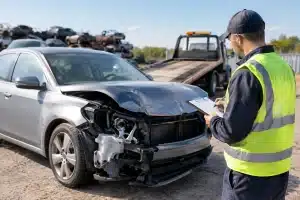
If the cost of getting it roadworthy is more than the van is worth, selling it privately can mean weeks of messages, viewings, and buyers who change their mind. That is particularly true for non-runners, vehicles with serious accident damage, flood damage, structural corrosion, or an MOT failure with a long list of work required.
Scrapping may also be the right option when a vehicle has been off the road for a long time. Insurance, storage, and tax administration can continue to create hassle even when the van is not being used. A prompt collection removes that burden and gives you a clear end point.
That said, it depends on the van. A newer model with a minor mechanical issue may be worth more as a damaged vehicle than purely as end-of-life material. An honest quote should reflect its actual condition, rather than treating every unwanted van the same.
What affects the price when you scrap an old van for cash?
The value of an unwanted van is not based on one figure alone. Vehicle size and weight matter, but so do its age, make, model, overall condition, location, and whether it is complete. A larger commercial van may carry more value than a small one, while a later-model van with a repairable fault can also attract a stronger offer.
Give accurate information when asking for a quote. The registration number, make and model, approximate condition, whether it starts, and any significant damage all help produce a realistic valuation. Mention if wheels are missing, if access is difficult, or if the van is blocked in. These details are not a reason to avoid collection. They allow the right vehicle recovery equipment to be arranged and reduce the risk of a last-minute price change.
Be cautious of a high quote that has no clear basis. Some buyers make an attractive offer first, then reduce it on arrival by pointing to faults that were already disclosed. A straightforward service confirms the price based on the information provided and explains clearly if something unexpected could affect it.
The simple process from quote to payment
A reliable van disposal service should not make you chase updates or work out the logistics yourself. The process is usually straightforward.
First, request a quote using the vehicle details. Be as precise as you can, especially if the van is not drivable or has been involved in an accident. Once you accept the offer, agree on a collection time that works for you. Same-day collection may be possible depending on availability and location, but it is better to confirm the appointment than assume it.
On collection day, the driver verifies the van and the ownership details. You should have access to the vehicle registration document if possible, plus photo identification and any keys you have. A missing registration document does not always prevent disposal, but raise it when requesting the quote so the correct process can be explained.
After collection, payment should be made by secure bank transfer. Although people commonly say they want to scrap old van for cash, bank payment gives both parties a clear transaction record and is the compliant method for this type of vehicle purchase. Check that the amount agreed has arrived before treating the transaction as complete.
Do not overlook the paperwork
The physical collection is only one part of disposing of a van properly. You must also make sure the registered keeper record is updated. In the UK, that means notifying the DVLA that the vehicle has been transferred to an authorized operator.
Keep a record of the collection and any disposal documentation you receive. This protects you if questions arise later about tax, insurance, parking penalties, or the vehicle’s status. It also gives you confidence that the van has entered a legal recycling process rather than being passed on without your knowledge.
A professional service can guide you through the required notification and explain what information is needed. You remain responsible for ensuring the keeper details are handled correctly, so do not hand over the van and assume all administration will sort itself out.
Before collection, remove personal belongings from the cab, storage areas, under-seat compartments, and glove box. Check for business paperwork, tools, parking permits, delivery records, and electronic devices. Also remove any private number plates if you intend to retain them. Once the vehicle has left, recovering forgotten items may not be possible.
Why free collection matters for non-running vans
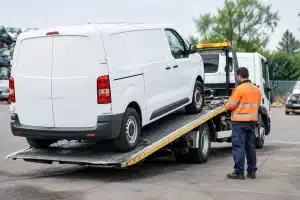
A non-running van often creates the biggest headache because it cannot simply be driven to a buyer. Paying separately for transportation can take a noticeable chunk out of the amount you receive, especially if the vehicle is parked on a driveway, in a tight residential street, or at a business premises with limited access.
Free collection removes that extra step. It also means the buyer takes responsibility for arriving with suitable recovery equipment. Tell them in advance if the van has flat tires, no keys, steering lock issues, or restricted access. The more accurately you describe the situation, the more efficiently the collection can be completed.
For business owners, timing matters too. An unwanted fleet van parked outside a unit or on a customer-facing site can look untidy and occupy valuable space. Booking a defined collection window helps you plan around staff, deliveries, and site access rather than leaving the issue unresolved.
Choose compliant disposal, not the quickest promise
When you need a van gone quickly, it can be tempting to accept the first offer from someone who says they can collect immediately. Speed is useful, but it should not replace proper checks. You want a buyer that operates through licensed facilities, provides a clear record of the transaction, and handles the vehicle in line with environmental requirements.
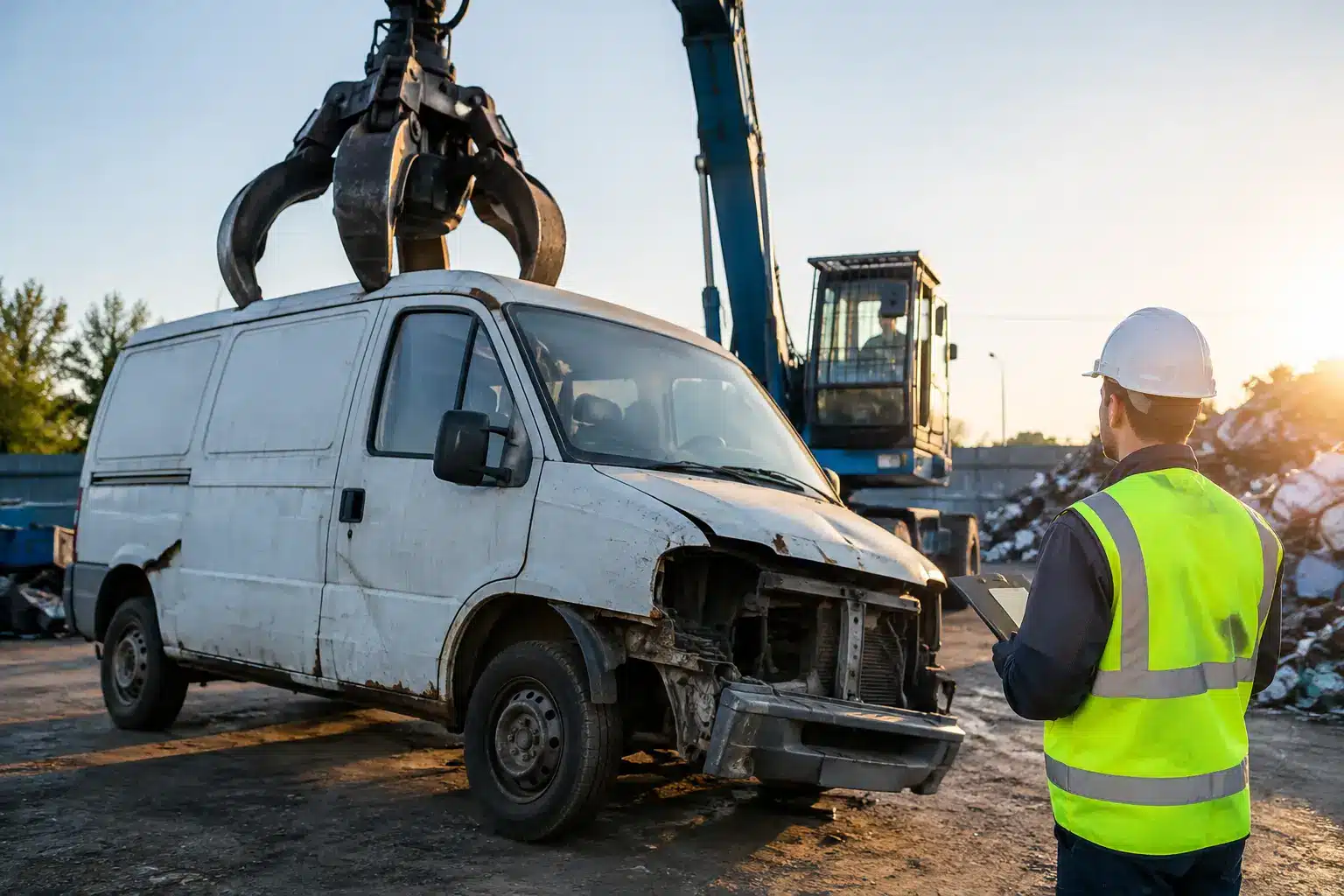
This is especially relevant for vehicles that have leaked fluids, suffered collision damage, or been standing unused. Responsible recycling reduces environmental risk and ensures the vehicle is processed through the correct channels.
Scrap Car Kings focuses on making that process practical: a clear quote, free collection, fast bank transfer, and support with the required disposal steps. The goal is not to make a difficult situation sound complicated. It is to remove the vehicle properly and let you move on.
Get the best result before collection
You do not need to spend money repairing a van that is ready to be disposed of, but a few checks can prevent delays. Have the registration number ready, be truthful about the condition, clear your belongings out, and ensure the van can be accessed at the agreed time. If someone else will meet the driver, make sure they have the authority and information needed to complete the handover.
Taking a few photos before collection is also sensible. They provide a simple record of the van’s condition and can help if there is any question about what was collected. Then keep your payment confirmation and vehicle paperwork somewhere safe.
An unwanted van does not have to become a long-running problem. With a fair valuation, organized collection, and compliant handling, you can clear the space, receive payment quickly, and close the book on a vehicle that has reached the end of its useful life.