A failed MOT, engine trouble, accident damage, or a car that simply will not start can turn a driveway into a costly problem. If you are asking, “how to sell my scrap car for cash – 07944 495 495,” the priority is not just getting a price. You need a collection that turns up, payment you can verify, and proof that the vehicle has been handled legally.
For owners across London, Essex, and nearby areas, selling an end-of-life vehicle should be straightforward. A professional vehicle buyer can quote, collect the car from your home or garage, arrange licensed disposal, and guide you through the DVLA steps without asking you to organize transport or negotiate with unreliable private buyers.
How to Sell My Scrap Car for Cash – 07944 495 495
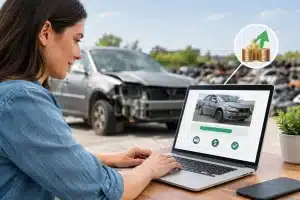
The quickest route is to call with the vehicle details needed for an accurate quote. Have the registration number, make and model, approximate condition, and collection postcode ready. Be clear about issues such as missing wheels, accident damage, flood damage, a locked vehicle, or whether it starts and moves. These details affect the collection plan and valuation.
A good quote should be based on the car’s weight, current metal market conditions, vehicle type, location, and condition. A complete vehicle that is easy to collect may receive a stronger offer than one that is stripped, inaccessible, or missing major components. Honesty at the quotation stage prevents last-minute changes when the driver arrives.
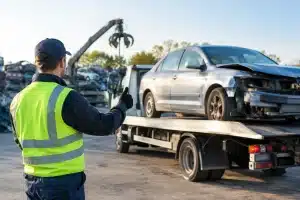
Once you accept the quote, arrange a collection time that works for you. Free collection is especially valuable when the car is not roadworthy, has no valid MOT, or cannot be insured and driven legally. There is no need to hire a trailer or pay for recovery separately when the collection service is included.
What “cash” payment normally means
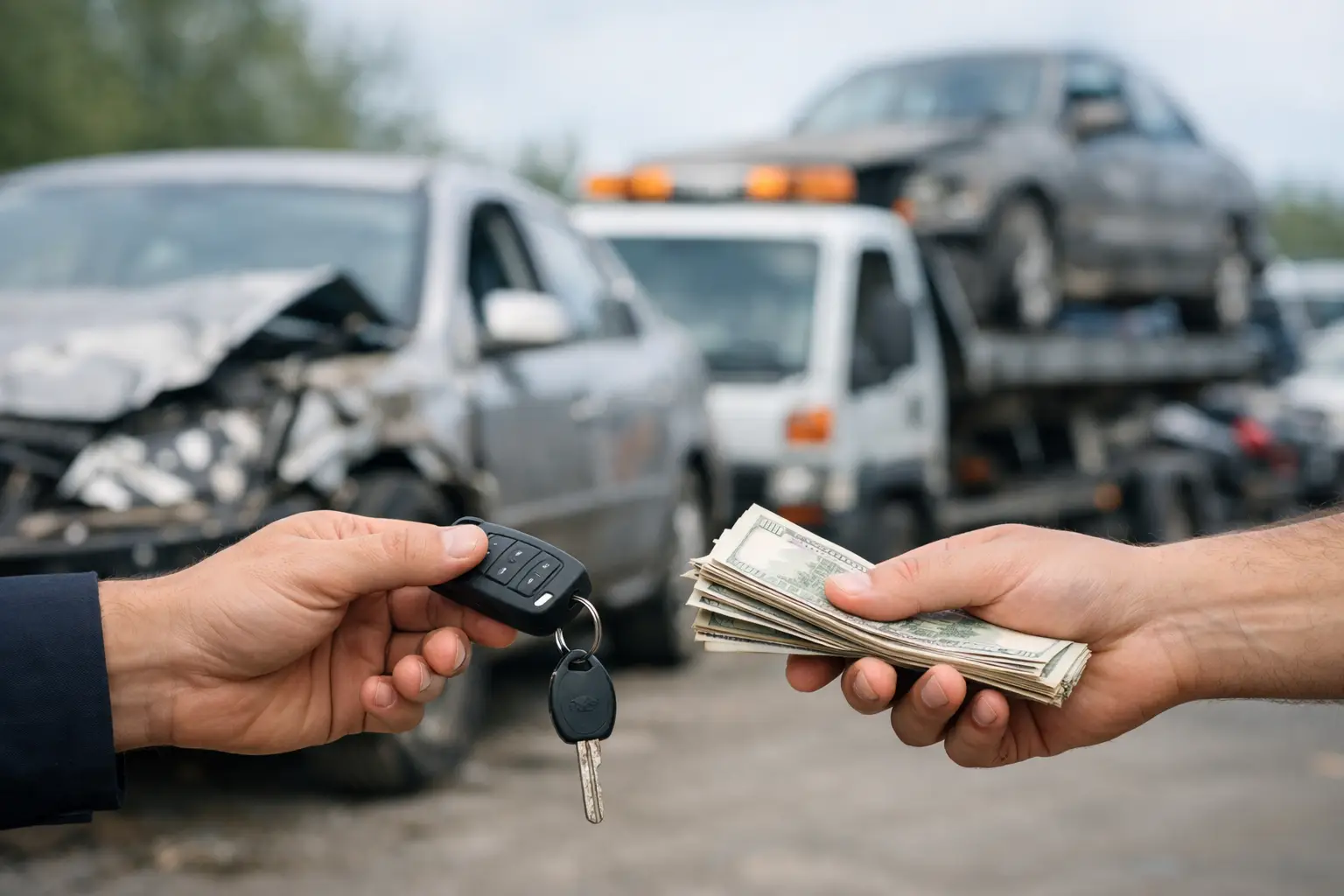
Many people use “cash for scrap cars” to mean fast payment for their unwanted vehicle. In practice, secure bank transfer is often the correct payment method and gives you a clear record of the transaction. Rules around payments for scrap vehicles are strict, so be wary of anyone offering an unrecorded deal or pressuring you to accept less than the agreed amount.
Before the vehicle is loaded, confirm the price, payment method, and when funds will be sent. Fast transfer payment gives you certainty without the risks of carrying physical cash or relying on a buyer who promises to pay later. Keep a record of the quotation and payment confirmation for your files.
Get the paperwork right before collection
Paperwork is where a simple sale can become stressful if it is ignored. You should have the V5C registration certificate if possible, but do not assume you cannot sell the vehicle if it has been misplaced. A legitimate buyer can explain what information is needed and how to notify the DVLA correctly.
When the vehicle is being permanently removed from use, it must go through a licensed operator and, where required, an Authorised Treatment Facility. You should receive the appropriate documentation, including a Certificate of Destruction when one is issued. This matters because it confirms the vehicle has entered the correct disposal process rather than being left in your name.
You also need to notify the DVLA that you have transferred the vehicle. Do not leave this for someone else to do without checking. Updating the record protects you from future parking tickets, road charges, tax questions, or enforcement notices connected to a vehicle you no longer own.
Remove personal possessions before collection. Check the glove box, center console, door pockets, trunk, sun visors, and under the seats. Take out paperwork with personal details, parking permits, USB devices, and any valuables. It is also sensible to remove your insurance documents and cancel or update your policy once the transfer is complete.
What affects the price of a scrap car?
There is no single fixed price for every vehicle. Quotes move with market conditions, but the condition and collection requirements of your particular car matter just as much. A larger vehicle may contain more recyclable material, while a vehicle with easy access may cost less to collect than one blocked behind another car or parked in a tight underground space.
The age, model, completeness, and damage level can all influence the offer. A non-running car can still have value, and an insurance write-off does not automatically mean it is difficult to sell. However, a missing catalytic converter, severe fire damage, or a vehicle with no keys may reduce the value or require different collection arrangements.
Do not choose a buyer on the highest headline quote alone. Ask whether collection is included, whether the price is guaranteed after the stated condition is confirmed, and whether there are any charges for non-runners, flat tires, or difficult access. A slightly lower but transparent quote is often better than an inflated figure that changes at pickup.
Avoid the common problems that delay payment
Most delays are avoidable. The first is giving incomplete vehicle information. If a car cannot roll, has no keys, or is not where the collector can safely reach it, say so when booking. A professional service can usually still help, but it needs the right equipment and a realistic collection plan.
The second problem is handing over a vehicle without keeping records. Save the buyer’s contact details, agreed price, collection date, transfer confirmation, and disposal paperwork. These records are useful if there is any later question about ownership or payment.
The third is accepting an arrangement that feels vague. You should know who is collecting the car, what time they are expected, how payment will be made, and what happens with DVLA notification. Clear answers are a sign of a properly run service.
Finally, do not drive an unsafe or uninsured vehicle to try to save on collection costs. A free pickup is usually the simpler option, particularly for a car with serious mechanical faults, accident damage, or an expired MOT. It reduces risk and lets you complete the sale from home.
When selling for scrap is the right choice
Selling for scrap is often the practical decision when repair costs are higher than the car’s realistic value, when it has repeatedly failed its MOT, or when it has been sitting unused for months. It can also make sense after an accident, flood damage, major engine failure, or a gearbox problem that makes private selling difficult.
That said, it depends on the vehicle. If it is roadworthy, has a current MOT, and needs only a minor repair, selling it privately may bring more money. That route takes time, however, and comes with viewings, negotiations, no-shows, and the responsibility of making sure the buyer is genuine. For a non-runner or end-of-life vehicle, a fast, compliant collection is often worth more than chasing a higher but uncertain offer.
Scrap Car Kings focuses on making that decision easier: a clear quotation, free collection, secure payment, and licensed disposal handled in one process. When a car has become a burden rather than transport, choose a buyer that gives you written clarity, turns up as arranged, and leaves you with the records that prove the job is done properly.