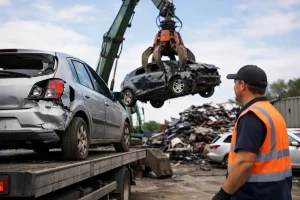
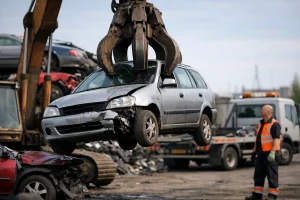
A failed MOT, accident damage, or an engine that will not start can turn a useful vehicle into a problem overnight. Car scrapping Romford – 07944 495 495 – scrap cars is a straightforward option when repairing or privately selling your vehicle no longer makes financial sense. The right service should give you a clear quote, collect the vehicle for free, pay by secure bank transfer, and make sure disposal is handled legally.
For many owners, the biggest concern is not simply getting rid of the vehicle. It is avoiding wasted time, unexpected collection charges, unreliable buyers, and uncertainty over DVLA responsibilities. A professional collection and recycling service removes those obstacles, whether your car is parked at home, stuck at a garage, or sitting on a driveway after an insurance decision.
When Scrapping Your Car Makes Sense
Scrapping is often the practical choice when the cost of putting a car back on the road is greater than its realistic value. An MOT failure does not automatically mean a car has reached the end of its life, but major corrosion, repeated mechanical faults, or a long list of repair advisories can change the calculation quickly.
The same applies to non-running vehicles. A car with a flat battery may be an easy fix, while one with a seized engine, gearbox failure, or serious electrical fault may not be worth the expense. If you are unsure, compare a repair estimate with the likely value of the vehicle once repaired. Include the cost of transport, insurance, tax, and the time involved in selling it privately.
Accident-damaged and flood-damaged vehicles also require a realistic view. Cosmetic damage may be repairable, but structural damage or extensive water exposure can create ongoing safety and reliability issues. If the vehicle has been declared beyond economical repair, arranging compliant collection can be the fastest way to move forward.
Car Scrapping in Romford: What a Proper Service Includes
A legitimate vehicle disposal service should do more than tow away an unwanted car. The process needs to protect you as the registered keeper and ensure the vehicle enters the proper recycling route through licensed operators and an Authorized Treatment Facility where required.
Start with an accurate quote. You will usually be asked for the registration number, make and model, location, condition, and whether the vehicle starts and rolls. Be honest about major damage, missing wheels, or access restrictions. Clear information from the outset helps prevent last-minute changes and lets the collector bring the right equipment.
Free collection matters, particularly for vehicles that cannot be driven. Confirm that collection is included before agreeing to a time. A dependable service will arrange a convenient slot, explain what is needed on the day, and avoid vague promises about payment or paperwork.
Payment should be transparent and traceable. Secure bank transfer is the standard approach for vehicle disposal, giving you a clear record of the transaction. Ask when payment will be made and make sure you understand whether it is sent at collection or immediately after the vehicle has been checked against the description provided.
The Simple Process From Quote to Collection
The process should be quick, but it should not feel rushed. Scrap Car Kings keeps it simple by focusing on the details that affect value and legal compliance.
1. Request a quote
Provide the vehicle registration, postcode, and a short, accurate description. Mention whether it is an MOT failure, a non-runner, damaged, complete, or accessible for collection. Photos can be useful when damage is significant, though they are not always necessary.
The quoted figure will depend on the vehicle’s weight, age, condition, current recycling market values, location, and the practicalities of collection. A complete vehicle that is easy to load may be valued differently from one with significant damage or difficult access. The best quote is not always the highest number stated at first contact – it is the one that remains clear and credible when collection is arranged.
2. Choose a collection time
Once you accept the quote, book a time that works for you. Same-day collection may be available in Romford and nearby areas, depending on demand, location, and vehicle condition. If same-day service is not practical, a scheduled collection is still often far easier than arranging transport yourself.
Move personal belongings out of the vehicle before the collector arrives. Check the glove box, trunk, door pockets, under the seats, and any storage compartments. Remove parking permits, toll tags, documents containing personal information, and anything you may need later.
3. Have the right details ready
If you have the V5C registration document, keep it available. Selling a vehicle without it can be possible in some circumstances, but the process may require additional identity and ownership checks. Never hand over a car to someone who is unwilling to explain how the change of keeper or disposal notification will be handled.
You should also have photo identification available if requested. This helps support a legitimate transaction and protects both parties from avoidable issues.
4. Confirm payment and paperwork
At collection, make sure the vehicle matches the information supplied and confirm the agreed payment method. Keep a record of the transaction, including the collector’s business details and the date of collection.
You remain responsible for telling DVLA that you no longer have the vehicle. In many cases, this can be done online using the details from the V5C. Follow the relevant DVLA process for transferring the vehicle to a motor trader or for disposal, depending on the circumstances. Do not assume that collection alone automatically updates your record.
Where the vehicle is treated as an end-of-life vehicle, a Certificate of Destruction may be issued through the authorized facility process. Ask what documentation applies to your vehicle, especially if it is being disposed of rather than sold for continued use.
Avoiding Common Problems When Disposing of a Car
The easiest way to avoid a poor experience is to ask direct questions before booking. Is collection free? Is the quoted price fixed based on the description you gave? When will bank transfer be made? Which paperwork will you receive? A professional provider will answer clearly rather than pressure you into a quick decision.
Be cautious if someone offers a price without asking basic questions about the vehicle. Condition, completeness, and access affect collection costs and value, so a quote with no details behind it may change when the truck arrives. Equally, do not accept a collection service that cannot confirm its licensing and disposal route.
It is also worth checking your insurance and vehicle tax position once the car has been collected and DVLA has been notified. Canceling insurance is sensible when you no longer own the vehicle, while any eligible tax refund is handled through the appropriate DVLA process. Keeping your records organized can save a follow-up call later.
Why Legal Recycling Is Worth the Effort
Choosing licensed disposal is about more than clearing space on your driveway. End-of-life vehicles contain fluids, batteries, tires, metals, and other materials that need to be handled responsibly. Proper treatment reduces environmental risk and allows recoverable materials to be processed correctly.
It also gives you confidence that your registration is not left connected to a vehicle you no longer control. That matters if parking notices, traffic penalties, or other correspondence are later linked to the registration. Clear paperwork and prompt notification help create a clean break.
For Romford owners dealing with an unwanted vehicle, the best next step is usually the simplest one: get an accurate quote, confirm free collection and payment, prepare your documents, and keep proof that the vehicle has left your possession. Call 07944 495 495 when you are ready to turn a difficult car problem into a properly handled collection.