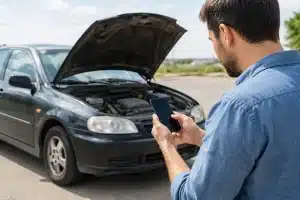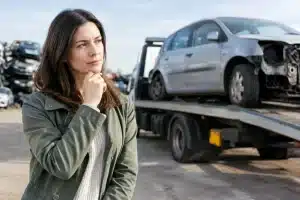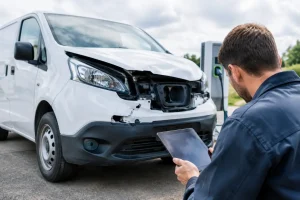
A failed MOT, a dead battery that keeps returning, or damage that costs more to repair can turn a vehicle into an expensive problem sitting on your driveway. So, how does cash for junk cars work when you need a quick, legal way to move it on? In most cases, you request a quote, agree on a collection time, hand over the vehicle and required documents, and receive payment once the collection is completed.
The process should be straightforward, but the details matter. A trustworthy buyer will explain what affects the offer, arrange free collection where available, pay through a secure method, and ensure the vehicle enters the proper licensed disposal process. That means less time dealing with unreliable private buyers, towing arrangements, and paperwork you are unsure how to complete.
How Does Cash for Junk Cars Work Step by Step?
The first step is getting a valuation. You will usually be asked for the registration number, make and model, age, location, condition, and whether the vehicle starts or rolls. Be honest about major faults, accident damage, missing wheels, flood damage, or any mechanical issues. Accurate details lead to an accurate quote and help avoid awkward changes on collection day.
The offer is based on more than whether the vehicle runs. Its weight, current metal market, model, age, overall condition, location, ease of access, and whether it is complete can all affect the figure. A newer vehicle with a major engine fault may be worth more than an older vehicle in similar condition, while a car that cannot be safely loaded may require extra collection planning.
If you accept the quote, the buyer arranges a pickup slot. Professional collection is often free, which is a major benefit if the vehicle is uninsured, unroadworthy, or has been off the road for some time. You do not need to transport it yourself or take the risk of driving a vehicle that should not be driven.
At collection, the driver checks that the vehicle broadly matches the information supplied. This is not about finding excuses to reduce the price. It is a necessary check to confirm the registration, ownership details, and condition. If important facts were missed, such as significant damage or a removed catalytic converter, the final price may need to change. When the information is accurate, the agreed amount should be honored.
Payment is then made by the method discussed when you booked. Although people commonly call the service “cash for junk cars,” secure bank transfer is generally the normal and safer payment route in the UK. Ask when the transfer will be made and keep confirmation of the payment for your records.
What You Need Before Collection
A little preparation prevents delays. Have your V5C registration certificate available if you have it, along with photo identification and any information the buyer requests to verify ownership. The V5C is helpful, but losing it does not always prevent a vehicle from being collected. Tell the buyer in advance so they can explain the correct process.
Remove all personal belongings before the vehicle is loaded. Check the glove box, door pockets, trunk, under-seat storage, sun visors, and any phone or navigation connections. Delete saved addresses, contacts, garage codes, and Bluetooth pairings if the vehicle still has power. It is easy to forget paperwork, keys, parking permits, or prescription glasses after a car has been sitting unused.
You should also remove your license plates only if the buyer or relevant authority tells you to do so. Requirements can vary, and making unplanned changes can complicate the collection. The safest approach is to ask what is needed before the driver arrives.
If the vehicle is parked on a narrow street, behind another car, in an underground garage, or has locked wheels, mention it at the quote stage. A collection team can plan for difficult access, but they need clear information. The same applies if the vehicle has no keys, flat tires, or cannot be moved under its own power.
Paperwork and Notification Matter
Selling an end-of-life vehicle is not just about handing over keys. You need a clear record of who took it, when it was collected, and how the transfer or disposal was handled. This protects you if questions arise later about tax, parking penalties, or other vehicle-related issues.
A licensed operator should provide the appropriate paperwork for the vehicle’s disposal. For an end-of-life vehicle, this may include a Certificate of Destruction where applicable. You should also notify DVLA that you are no longer responsible for the vehicle using the correct route for the circumstances. Do not assume that someone else has completed every notification unless you have been clearly told what they will handle and what you must do yourself.
Keep copies or screenshots of the collection confirmation, payment record, and any disposal documents. It takes only a few minutes and gives you a useful paper trail. If you are unsure which DVLA update applies, ask before collection rather than leaving it until later.
Why Offers for Junk Cars Can Differ
Two buyers can quote different amounts for the same vehicle, and that does not automatically mean one is being dishonest. Collection distance, current market conditions, overheads, vehicle completeness, and the buyer’s disposal arrangements all influence what they can offer.
The best quote is not always the highest number shown in an early message. Consider whether collection is included, whether the offer is conditional, how quickly payment will arrive, and whether the company is properly licensed. A high quote can lose its appeal if it is reduced dramatically at pickup or if you are asked to pay an unexpected towing fee.
Transparent buyers ask sensible questions upfront. They explain that the price is based on the description provided and clarify what could change it. That is more useful than a vague promise that sounds generous but leaves every detail open until the driver arrives.
When Repairing May Make More Sense
A vehicle does not automatically become junk because it failed an inspection or needs work. If the repair is minor, the car has a strong resale value, and you have time to sell it privately, fixing it may produce a better return. Get a realistic repair estimate first, not just a guess based on the warning light or visible damage.
On the other hand, disposal is often the practical choice when repair costs are high, the vehicle has recurring faults, it has serious accident or flood damage, or it has become a burden to store and insure. The right decision depends on the vehicle’s likely value after repair, not the money already spent trying to keep it on the road.
Choosing a Buyer You Can Trust
Look for a service that gives clear answers before you commit. You should know whether collection is free, what documents are needed, how payment is made, and what disposal paperwork you will receive. A professional team will not pressure you to decide before you understand the terms.
It is also worth checking whether the business works with licensed operators and Authorized Treatment Facilities. Proper recycling is part of responsible vehicle disposal, not an optional extra. Fluids, batteries, tires, and other materials need to be handled safely, while recyclable materials should be recovered through the correct channels.
For owners in London, Essex, and nearby areas, Scrap Car Kings focuses on quick quotations, arranged collection, secure payment, and compliant disposal in one coordinated service. The aim is to make a difficult vehicle easy to deal with, without leaving you to chase transport or paperwork.
Before booking, take a few clear photos, find the registration details, remove your belongings, and describe the condition honestly. Those small steps help turn an unwanted vehicle from a lingering problem into a completed job with payment, collection, and the right records in place.